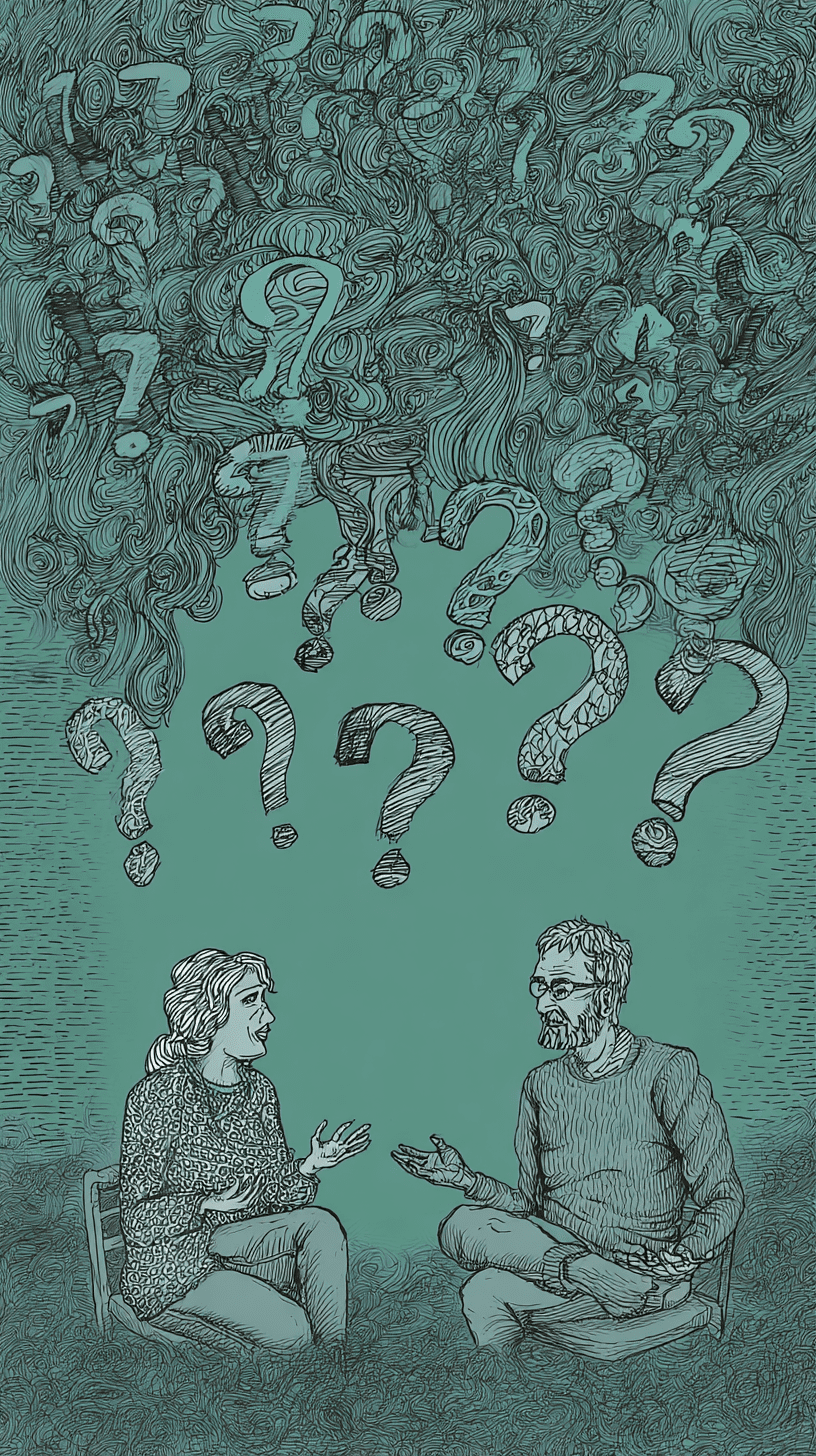

To me, spirituality is a space where I can find peace, understand myself better, and feel a connection to something bigger than myself. It should also be practical and down-to-earth. Like psychology, it should help us in our daily lives, give us strength, and inspire us to be better people while helping us apply our values through action. For many, spirituality becomes a lifeline in times of crisis—a way to find meaning in the chaos. I started looking for strength in spirituality at just such a moment.
My experience and education have shaped my cautious approach to all forms of spiritual authority. While studying criminology at the University of Wroclaw, I had the opportunity to learn from Professor Maciej Szostak, a distinguished forensic scientist and expert on cults and psychological manipulation. His research, including participant observation in groups like the Scientologists, helped me understand the destructive mechanisms cults use against individuals. Professor Szostak’s work, culminating in his monograph “Destructive Cults: A Methodological and Criminological Study,” inspired me to delve deeper into the topic of false authority and subtle manipulation techniques. In my career, I’ve also worked on investigations into various types of fraud (unrelated to spirituality), which further sharpened my sensitivity to the ways spiritual leaders can exploit people seeking support. These experiences are why this topic is so important to me.
The media is filled with countless stories of people who sought solace in spirituality, only to end up in a web of lies. Some were lured into cults under the guise of community and purpose. Others fell victim to self-proclaimed gurus who preyed on their vulnerabilities. These aren’t isolated incidents—they are part of a larger, darker pattern that feeds on the human need for connection and meaning.
The goal of this article isn’t just to expose the tactics of spiritual scammers and cults, but also to equip you with the tools to protect yourself and others. It’s about understanding the psychology behind these manipulations, learning from real-life stories, and reclaiming the power of authentic spirituality.
Whether you’re just discovering your spiritual path, searching for truth, or simply interested in the hidden dangers in this area, I hope this text serves as both a guide and a warning. Let’s step into the shadows of spirituality—not to live in fear, but to shine a light on the truth.
Why Spirituality Attracts Scammers
At its core, spirituality is deeply personal. It’s a journey into the unknown, a search for meaning, healing, and connection. But this very openness—this willingness to explore beyond the tangible—can also make people vulnerable. Scammers, cult leaders, and manipulative gurus know this all too well. They exploit the emotional and psychological needs that often accompany spiritual seeking.
The Psychology of Vulnerability
Many people turn to spirituality during times of crisis: the loss of a loved one, health problems, a career collapse, or even a global event that shakes their sense of stability. These moments of upheaval leave us searching for answers, for something to hold onto when the ground feels shaky. Scammers recognize this vulnerability and position themselves as the solution.
They promise clarity in confusion, healing from pain, and purpose in chaos. And because spiritual seekers are often open to new ideas and experiences, they might suspend their skepticism—especially if the message feels comforting or resonates with their struggles.
The Need to Belong
Humans are wired for connection. We are social creatures. We crave community, a sense of belonging, and the validation that comes from being part of something bigger than ourselves. Spiritual groups, both authentic and manipulative, often fulfill this need. They create environments where members feel seen, valued, and understood—at least at first.
In the hands of a manipulator, however, this sense of belonging can quickly become a tool of control. Members may be encouraged to cut ties with “outsiders” or those who question the group’s practices. This isolation strengthens the manipulator’s grip, making it harder for individuals to leave or even recognize the warning signs.
The Promise of Transformation
One of the most powerful lures in the spiritual world is the promise of transformation. Whether it’s enlightenment, healing, or unlocking hidden potential, the idea of becoming a better version of yourself is incredibly appealing. Scammers exploit this by offering quick fixes: a weekend workshop that will “change your life,” a course that guarantees “instant awakening,” or a guru who claims to hold the secrets of the universe.
The reality, of course, is that true transformation takes time, effort, and often, discomfort. Stoic philosophy, for example, teaches that personal growth is a process that requires accepting suffering as a natural part of life. Stoics like Marcus Aurelius emphasized that how we respond to difficulties is what shapes our character and leads to true inner strength.
Similarly, the Dalai Lama reminds us that suffering is an inherent part of the human experience, and accepting and understanding it can lead to deeper compassion and wisdom. Instead of promising quick fixes, authentic spiritual teachers often encourage patience, reflection, and self-work, which stands in opposition to the illusion of instant transformation.
The allure of an easy path can blind even the most discerning individuals, but it’s worth remembering that real growth is a journey, not a destination, and it requires both effort and acceptance of what is difficult.
The Fine Line Between Faith and Exploitation
It’s important to note that not all spiritual leaders or groups are fraudulent. Many are genuine, offering guidance and support to those on their path. The challenge lies in distinguishing authentic spirituality from manipulation. However, even among leaders with sincere intentions, there are those who unknowingly harm their followers. This often stems from a lack of knowledge, experience, or reflection on their own impact.
Some leaders can be so convinced of the righteousness of their teachings that they fail to see how their actions lead to emotional, psychological, or financial dependence. They might unknowingly use manipulative techniques that seem helpful but actually limit their followers’ autonomy. For instance, they might encourage complete submission to their teachings, which stifles individuality and critical thinking.
These individuals often replicate patterns they themselves have learned, unaware of their destructive nature. Their intentions may be good, but a lack of self-awareness and responsibility for their actions makes their influence harmful. In these cases, the line between authentic spirituality and manipulation becomes even more blurred.
Scammers, on the other hand, deliberately blur this line, using spiritual language and practices to hide their true intentions. They might, for example, put on a show of humility while secretly accumulating wealth. They might preach love and compassion while creating an environment of fear and control.
Understanding these dynamics—both conscious manipulation and unintentional harm—is the first step toward protecting yourself from exploitation. It’s crucial to develop critical thinking, self-awareness, and an openness to constructive criticism, among both spiritual leaders and their followers. Even the best intentions can lead to negative outcomes if they aren’t backed by accountability and a deep understanding of the influence one has on others.
How Fake Gurus and Cults Operate
The world of spiritual scams is as diverse as it is deceptive. From charismatic individuals claiming divine insight to tightly controlled groups masquerading as loving communities, the tactics used by fake gurus and cults are disturbingly effective. Understanding how they operate is key to recognizing and avoiding their traps.
The Charismatic Leader
At the heart of most spiritual scams is a charismatic leader. These individuals often possess a remarkable ability to inspire trust and devotion. They present themselves as enlightened beings, chosen by a higher power, or uniquely gifted with wisdom that others lack. Their charisma is their weapon, drawing people in with charm, confidence, and an aura of authority.
But beneath the surface, these leaders are often masters of manipulation. They use their charisma to create a sense of dependency, convincing followers that only they hold the key to spiritual truth. This dependency can quickly turn into control, as followers become unwilling—or even afraid—to question the leader’s teachings or actions.
Creating an Atmosphere of Exclusivity
One of the most common tactics used by fake gurus and cults is creating an exclusive environment. They position their group as the one true path to enlightenment, salvation, or spiritual fulfillment. This exclusivity fosters a sense of superiority among members, who begin to see themselves as part of a select few.
This “us vs. them” mentality is a powerful tool for manipulation. It isolates members from outside perspectives, making it easier for the leader to control the narrative. Over time, members may become distrustful of anyone outside the group, including friends and family, which further deepens their dependency on the leader.
Exploiting Vulnerabilities
Fake gurus and cults are skilled at identifying and exploiting vulnerabilities. They often target individuals who are experiencing emotional pain, financial hardship, or a sense of purposelessness. By offering solutions tailored to these problems, they create a bond of trust and loyalty.
For example, a person grieving the loss of a loved one might be drawn to a guru who claims to communicate with the dead. Someone struggling with low self-esteem might be swayed by promises of empowerment and self-discovery. Once the bond is established, the leader can begin to exploit the individual for financial gain, labor, or other forms of control.
Gradual Escalation of Demands
One of the most insidious aspects of spiritual scams is the gradual escalation of demands. At first, the group or leader may seem harmless, even helpful. Members might be asked to attend a workshop, make a small donation, or participate in group activities. These initial requests are designed to build trust and normalize compliance.
Over time, however, the demands increase. Members may be pressured to give up their life savings, cut ties with loved ones, or devote their lives to the group’s mission. This gradual process, often called the “boiling frog” effect, makes it less likely for members to recognize the manipulation until they are deeply entangled.
The Role of Fear and Guilt
Fear and guilt are powerful tools in a manipulator’s arsenal. Members are often made to believe that leaving the group will result in spiritual ruin, eternal damnation, or the loss of their newfound “family.” Leaders may also use guilt to enforce obedience, framing dissent as a betrayal of the group’s mission or values.
For example, a member who questions the leader’s authority might be accused of lacking faith or being influenced by negative forces. This emotional manipulation keeps members in line and discourages critical thinking.
Types of Spiritual Scams
Spiritual scams come in many forms, each tailored to exploit specific vulnerabilities and desires. While the methods may vary, the underlying goal is the same: to manipulate and profit from those seeking meaning, healing, or connection. Here are some of the most common types of spiritual scams.
- The Fake Healer: These scammers prey on people’s desperation for physical or emotional healing. They claim to have supernatural abilities, divine gifts, or secret knowledge that can cure illnesses, remove negative energy, or solve life’s problems. They often charge exorbitant fees for their services, which can range from “energy cleansings” to “miracle cures.”
- The Cult of Personality: This type of scam revolves around a charismatic leader who is positioned as a spiritual savior, prophet, or enlightened being. Followers are encouraged to worship the leader, often to the point of unquestioning devotion. These leaders exploit their followers’ loyalty for financial gain, labor, or even personal gratification.
- The Spiritual Pyramid Scheme: Some scams use the language of spirituality to mask financial exploitation. These schemes promise wealth, abundance, or spiritual rewards in exchange for monetary investments. Participants are often encouraged to recruit others, creating a pyramid-like structure where only those at the top benefit.
- The Online Guru: With the rise of social media, spiritual scams have found a new platform. Online gurus use Instagram, YouTube, and other platforms to build large followings, often presenting themselves as relatable, enlightened figures. They sell courses, workshops, or products that promise spiritual transformation but often deliver little value.
- The Psychic or Medium: Psychics and mediums claim to communicate with spirits, predict the future, or provide insight into a person’s life. While some may genuinely believe in their abilities, others use cold reading techniques and psychological manipulation to appear convincing. But what if some of them actually possess such abilities? This question remains open and depends on one’s perspective. For some, it might be a matter of faith in something beyond scientific explanation; for others, it’s a field for further research into human intuition, perception, or even phenomena that science is just beginning to understand. It’s worth remembering, however, that even if such abilities exist, it doesn’t absolve anyone of the responsibility for how they are used. Authenticity of intent and ethical conduct are crucial to avoid exploiting human vulnerability or suffering. That’s why it’s so important to approach such individuals with an open mind, but also with healthy skepticism and critical thinking.
- The “Secret Knowledge” Seller: This scam targets those who are curious about esoteric or mystical practices. Scammers claim to possess secret knowledge, ancient wisdom, or hidden techniques that can unlock spiritual power. Access to this knowledge is often sold for a high price, through courses, books, or memberships.
- The Energy Manipulator: This type of scam involves claims of manipulating unseen energies for healing, protection, or other benefits. Scammers may sell crystals, talismans, or rituals that they claim have special powers, often at inflated prices.
How to Spot a Scam
Recognizing a spiritual scam can be difficult, especially when it’s cloaked in the language of love, healing, and enlightenment. Scammers are skilled at creating an illusion of authenticity, but there are tell-tale signs that can help you identify when something is wrong. By being vigilant and trusting your instincts, you can protect yourself from falling into their traps.
- Excessive Focus on Money: One of the clearest red flags is a constant focus on money. While it’s reasonable for spiritual teachers or organizations to charge for their time or services, scammers often take it to the extreme. They might demand large sums of money upfront, pressure you into making recurring donations, or sell expensive courses, retreats, or products.
- Cult-Like Behavior: Scammers often create environments that discourage critical thinking and isolate you from outside perspectives. They might foster a sense of exclusivity, making you feel special for being part of their group while subtly discouraging you from questioning their authority.
- Grandiose Promises: Be wary of anyone who makes extraordinary promises or claims to have supernatural abilities. Scammers often use these claims to establish their authority and convince you of their unique power.
- Emotional Manipulation: Scammers are experts at playing on emotions. They may use fear, guilt, or flattery to manipulate you into compliance. This emotional pressure can make it difficult to think critically or recognize the deception.
- Lack of Transparency: Authentic spiritual teachers and organizations are typically open about their practices, qualifications, and intentions. Scammers, on the other hand, often operate in secrecy, making it difficult to verify their claims or understand their methods.
- Dependency and Control: Scammers often create a dynamic where you feel dependent on them for your spiritual growth or well-being. This dependency can make it difficult to leave, even when you recognize the warning signs.
- Testimonials That Are Too Good to Be True: While testimonials can be a legitimate way to share experiences, scammers often fabricate or exaggerate them to build credibility. Be cautious if the stories seem too polished or if there’s no way to verify their authenticity.
- Pressure to Act Quickly: Scammers often create a sense of urgency to prevent you from thinking critically or seeking outside advice. They might frame their offers as limited-time opportunities or suggest that delaying your decision will have dire consequences.
How to Protect Yourself and Others
Navigating the world of spirituality can be both enriching and challenging. While there are many authentic teachers and practices, the presence of scammers and manipulators means it’s essential to approach your spiritual journey with awareness and discernment. Protecting yourself—and helping others do the same—requires a combination of critical thinking, research, and self-trust. Here’s how you can safeguard your spiritual path.
- Educate Yourself: Knowledge is your best defense against spiritual scams. The more you know about manipulation techniques, group psychology, and the history of spiritual movements, the easier it will be to recognize potential threats. Read books, listen to experts, and use credible sources to build your awareness.
- Trust Your Intuition: If something feels wrong, don’t ignore that feeling. Intuition often acts as an internal warning system, picking up on subtle cues before you fully understand them. Instead of dismissing these feelings, take a moment to analyze them and consider what they might mean.
- Do Your Research: Before getting involved with a teacher, group, or practice, do your homework. Look into their history, check for reviews from others, and see if there are any controversies. Ask yourself: are their actions consistent with what they preach? Transparency and consistency are key indicators of authenticity.
- Set Boundaries: Healthy boundaries are essential for protecting yourself from manipulation. Don’t be afraid to say “no” or to walk away if you feel someone is crossing your emotional, financial, or time-related boundaries. Remember that true spirituality doesn’t require you to sacrifice everything you have.
- Seek a Second Opinion: Get advice from trusted people—friends, family, or professionals. Keep in mind, however, that their opinions may be subjective and stem from concern, personal beliefs, or a lack of full understanding of your situation. It’s wise to listen to different perspectives, but make the final decision in line with your own values and intuition. If you have doubts, consider consulting someone with experience in the field who can look at your situation more objectively.
- Practice Critical Thinking: Questioning what you’re told doesn’t make you less spiritual—it makes you more discerning. Ask questions, look for evidence, and don’t be afraid to analyze the information you receive. True spirituality isn’t afraid of questions; in fact, it encourages them.
- Support Others: If you know someone who might be involved in a spiritual scam, approach the situation with care and compassion. Instead of judging, try to understand their perspective and gently share your concerns. Sometimes, support and an open conversation can help someone see things they hadn’t noticed before.
- Build a Healthy Spiritual Practice: One of the best ways to protect yourself is to cultivate a spiritual practice that is authentic, grounded, and in line with your values. Find methods that truly support you and avoid those that create pressure or guilt. Remember that spirituality should empower, not weaken, your autonomy.
Inspiring Stories of Those Who Escaped
The stories of individuals who have escaped spiritual scams, cults, and manipulative gurus are not just tales of survival—they are powerful reminders of human resilience, critical thinking, and the ability to reclaim one’s life. These people faced immense psychological, emotional, and sometimes physical challenges, yet they found the strength to break free. Here are some of their stories, drawn from real-life accounts, to inspire and educate.
1. Maude Julien: Escaping a “Family Cult”
Maude Julien’s childhood was a nightmare orchestrated by her father, who created a “family cult” to mold her into a “superhuman.” Isolated from the outside world, she was subjected to cruel experiments, such as being forced to hold onto electric fences or endure extreme cold, all in the name of building resilience. Her father controlled every aspect of her life, from her education to her emotions.
- The Turning Point: Maude’s escape began when a music tutor, one of the few outsiders allowed into her life, encouraged her father to send her to a school for further training. This small act of intervention planted the seeds of freedom. Over time, Maude found the courage to leave her father’s control and build a life of her own.
- Where She Is Now: Today, Maude is a psychotherapist and author, using her experiences to help others heal from trauma. Her memoir, The Only Girl in the World, is a testament to the strength of the human spirit.
2. Joaquin Phoenix and His Family: Leaving the Children of God
The Phoenix family, including actor Joaquin Phoenix, spent part of their early lives in the infamous Children of God cult. The group, which operated under the guise of a loving spiritual community, was later exposed for promoting disturbing practices, including child exploitation. Joaquin’s parents initially joined the group seeking a sense of purpose and community but soon realized the dark reality behind its teachings.
- The Turning Point: When the group’s practices began to evolve in disturbing ways, Joaquin’s parents made the brave decision to leave, despite the challenges of starting over with their young children.
- Where They Are Now: Joaquin Phoenix has spoken openly about his family’s experience, using his platform to raise awareness about the dangers of cults. His story highlights the importance of questioning authority and prioritizing family over blind devotion.
3. Rose McGowan: Breaking Free from the Children of God
Actress and activist Rose McGowan also spent her early years in the Children of God. Her father was a leader in the group’s Italian branch, but when the cult began promoting child-adult sexual relations, he decided to leave, taking Rose and her siblings with him.
- The Turning Point: Rose recalls escaping in the middle of the night, running through a cornfield during a thunderstorm. Her father’s decision to prioritize his children’s safety over the group’s teachings was a pivotal moment in her life.
- Where She Is Now: Rose has become a vocal advocate for survivors of abuse, using her platform to speak out against exploitation and manipulation. Her courage in sharing her story has inspired countless others to reclaim their voices.
4. Daniella Mestyanek Young: From Cult to the U.S. Army
Daniella Mestyanek Young was born into the Children of God, where she endured years of psychological and emotional abuse. The cult’s teachings emphasized obedience and isolation, leaving her with little knowledge of the outside world. At 15, she made the bold decision to leave, despite having no formal education or support system.
- The Turning Point: Daniella’s escape was driven by her desire for freedom and a better life. She eventually joined the U.S. Army, where she found structure and purpose, though she later reflected on the parallels between the cult and military life.
- Where She Is Now: Daniella is the author of Uncultured, a memoir that explores her journey from cult survivor to advocate for critical thinking and personal empowerment. Her story is a powerful reminder that it’s never too late to start over.
5. Sarah Edmondson: Exposing NXIVM
Sarah Edmondson was a high-ranking member of NXIVM, a self-improvement organization that was later revealed to be a front for a sex cult. Recruited under the promise of personal growth, Sarah became deeply involved in the group, even helping to establish a chapter in Vancouver. However, she began to question the organization when she was invited to join a secret “sisterhood” that involved branding and coercion.
- The Turning Point: After enduring a branding ritual, Sarah realized the extent of NXIVM’s manipulation and abuse. She made the courageous decision to leave and expose the group’s practices, despite the risks to her reputation and safety.
- Where She Is Now: Sarah’s bravery played a key role in bringing NXIVM’s leader, Keith Raniere, to justice. She continues to advocate for survivors of cults and coercive control, sharing her story through her book Scarred and public speaking engagements.
6. Rebecca Stott: Leaving the Exclusive Brethren
Rebecca Stott grew up in the Exclusive Brethren, a strict Christian sect that isolated its members from the outside world. Women were expected to be subservient, and any deviation from the group’s rules was met with harsh consequences. Rebecca’s family began to question the group’s teachings after a scandal involving one of its leaders.
- The Turning Point: When Rebecca’s father decided to leave the group, the family faced significant challenges in adjusting to life outside the sect. However, the decision ultimately allowed them to reclaim their independence and rebuild their lives.
- Where She Is Now: Rebecca is now a professor and author, using her experiences to explore themes of faith, freedom, and resilience. Her story underscores the importance of questioning authority and seeking truth.
7. Claire Ashman: Surviving Two Cults
Claire Ashman’s journey is unique in that she survived not one but two cults. Raised in a strict Catholic sect, she later joined the Order of St. Charbel with her husband. Both groups used fear and control to manipulate their members, but Claire eventually found the strength to leave.
- The Turning Point: Claire’s awakening began when she read a book about cults and recognized the patterns of manipulation in her own life. Armed with this knowledge, she made the difficult decision to leave, taking her children with her.
- Where She Is Now: Claire is now an advocate for cult survivors, sharing her story through writing and public speaking. Her work focuses on educating others about the signs of coercive control and the importance of personal freedom.
Lessons from Their Stories
These stories share common themes of courage, resilience, and the power of critical thinking. They remind us that even in the darkest situations, it’s possible to break free and rebuild. Here are some key takeaways:
- Question Everything: Blind faith can be dangerous. Always ask questions and seek evidence.
- Trust Your Instincts: If something feels wrong, it probably is. Listen to your gut.
- Seek Support: Escaping manipulation is rarely easy, but support from friends, family, or professionals can make all the difference.
- Reclaim Your Power: Leaving a scam or cult is just the beginning. Healing and rebuilding take time, but it’s possible to create a life of authenticity and freedom.
How Social Media Is Changing Spiritual Scams
The rise of social media has created fertile ground for scammers and manipulative gurus. These platforms have given them new tools to reach a wider audience, build credibility, and exploit vulnerabilities on an unprecedented scale.
- The Rise of the Online Guru: Social media allows anyone to present themselves as an expert. These “gurus” build massive followings, selling courses, retreats, and coaching.
- The Illusion of Authenticity: Scammers create a polished image that appears authentic but often hides their true intentions, using fake testimonials and staged stories.
- Fear-Based Marketing: They use urgency tactics, warning of missed opportunities or spiritual stagnation to pressure people into buying.
- Exploiting Vulnerable Audiences: Social media algorithms make it easy for scammers to target individuals seeking spiritual guidance.
- The Echo Chamber Effect: These platforms often create filter bubbles where users are surrounded by content that confirms their beliefs, making it harder to recognize a scam.
Spirituality and Ethics: How to Build an Authentic Spiritual Path
At its best, spirituality is a journey of self-discovery, connection, and growth. But in a world where manipulation and exploitation often masquerade as enlightenment, it’s essential to approach spirituality with a strong ethical foundation. Authentic spirituality isn’t about blind faith or quick fixes—it’s about cultivating a path that aligns with your values, encourages critical thinking, and empowers you to grow in a healthy, balanced way.
The Importance of Ethics in Spirituality
Ethics are the cornerstone of authentic spirituality. They help us distinguish genuine practices and teachers from those who exploit or manipulate. Without a clear ethical framework, spirituality can become a tool for control, not liberation.
Practical Tips for Spiritual Growth
Building an authentic spiritual practice requires intention, self-awareness, and a commitment to personal growth. Here are some practical steps to help you navigate this journey:
- Define Your Values: Start by identifying what’s most important to you.
- Embrace Critical Thinking: Spirituality doesn’t mean abandoning logic or reason.
- Give Yourself Time: Growth is a process, not a race. Avoid practices that promise instant enlightenment.
- Seek Community, Not Control: A healthy spiritual community supports your growth without imposing rigid rules.
- Balance Faith with Autonomy: Trust yourself and your instincts.
- Focus on Personal Growth: Authentic spirituality is about becoming the best version of yourself.
Conclusion: A Reflection on Spirituality
Spirituality itself is a beautiful and transformative part of the human experience. It’s a space where we can find meaning, peace, and connection to something larger. However, its potential can be twisted by those who use it for manipulation and control.
The key to protecting yourself and others is to approach spirituality with ethics, critical thinking, and self-awareness. True spirituality doesn’t demand blind faith or the sacrifice of everything you have. It’s a journey that strengthens your autonomy, develops your awareness, and helps you become a better person.
So, what does spirituality mean to you? Have you faced challenges on your path that forced you to reflect? Or perhaps breakthroughs that changed your view of the world? Share your experiences in the comments or join the conversation on my blog. Together, we can create a space where spirituality is authentic, supportive, and free from manipulation.
If my writing has inspired or helped you, I would be grateful for your support.
Need support yourself? Discover how I can help you.
AI Disclosure
I see my thoughts as the essence, much like the soul, and AI helps me give them form. It supports me with research, translation, and organizing ideas, but every perspective is my own. Curious how I use AI? Read more here.