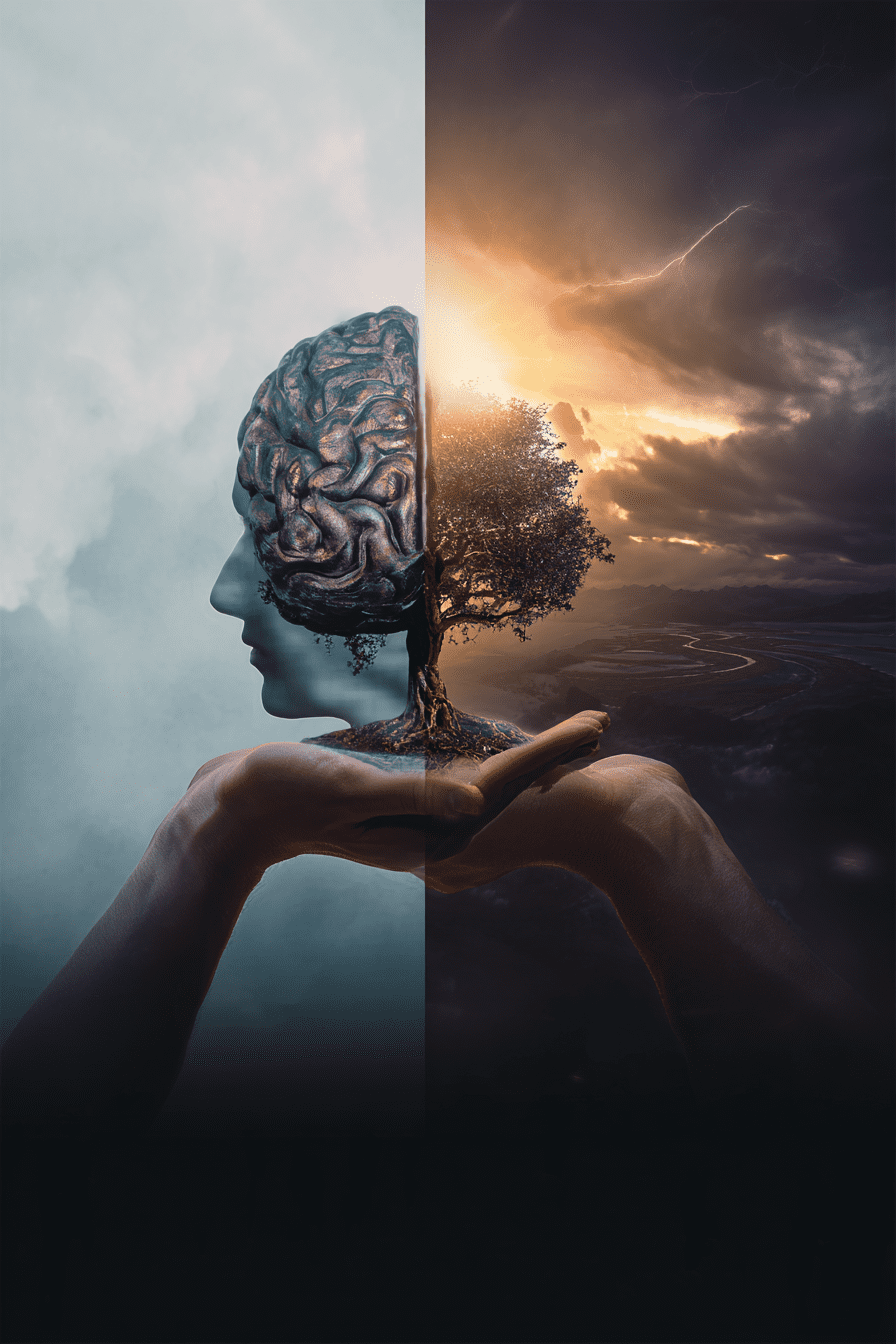
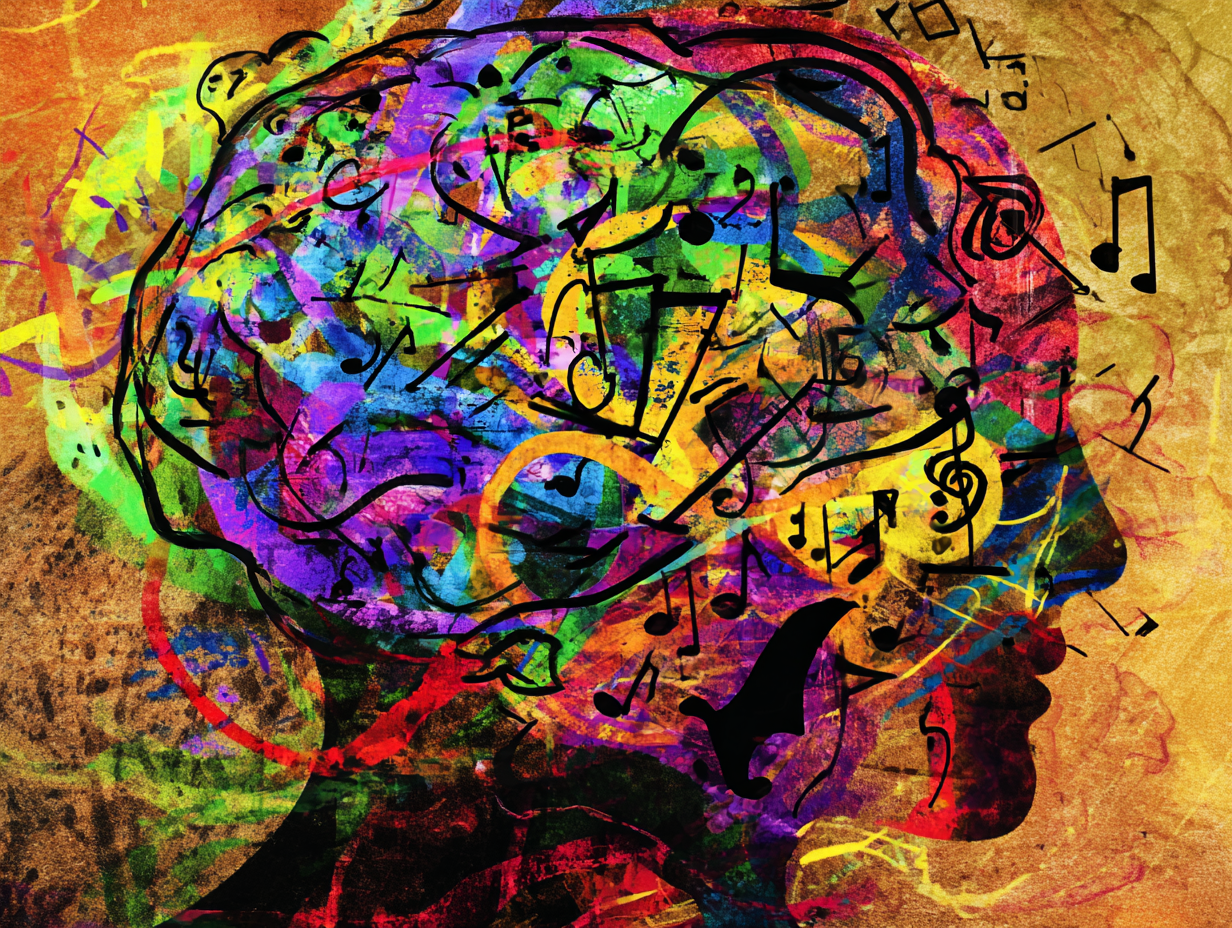
Did you know that your brain is plastic throughout your life, capable of physically changing based on new experiences? We often think that our intense development period ends when we become adults, followed by a slow cognitive decline. Nothing could be further from the truth. Learning new skills—whether it’s playing an instrument, a new language, or a complex meditation technique—acts like a youth elixir for our brain, creating new neural pathways and strengthening existing ones. It’s the key not only to a sharp mind but also to a deeper sense of purpose.
It’s been years since I sat down to learn a completely new skill, something I was totally unfamiliar with. Maybe it’s because my parents kept me active as a kid: from art classes, chess, and keyboard lessons to learning English and various sports like karate, judo, diving, sailing, and swimming. And, of course, there was soccer in the neighborhood and skiing or beach volleyball at camps.
At a young age, I started teaching myself web design and computer graphics, a passion I later partially developed while running a business with my wife. My entire professional life has also involved writing, including legal analyses and witness examinations in criminal proceedings, and for the business, I wrote industry-specific articles. Why am I telling you this? Because since entering adulthood, I haven’t really learned anything completely new. I’ve mostly been improving old skills or learning similar things which, as you’ll read in my article, don’t have the same powerful effects as learning something brand new.
Currently, I’m renewing and developing my creative writing skills, polishing my English, working out, and sometimes playing the electronic piano, chess, or sudoku. I also read a lot. But something just occurred to me—I’ve never actually learned meditation or mindfulness. I’ve only recently started practicing them as part of my personal growth. It’s a simple, short meditation, and I’m curious if it counts as a new skill that stimulates the brain as much as the ones I’ll discuss in this article.
This realization made me think about the broader impact of learning new skills—not just on personal or spiritual growth, but on the brain itself. How does the act of learning reshape our minds and influence our well-being? Let’s dive into the science and psychology behind it.
Join me on a journey where science and spirit meet. We’ll look at what neurobiology says about brain plasticity and why intellectual challenges are the best “gym” for your neurons. We’ll explore the psychological aspects of the “flow” state and discover how the learning process can become a deep practice for personal and spiritual development. I’ll show you that, no matter your age, your mind is ready for a renaissance, and the key is your own curiosity. Are you ready to rediscover your brain’s potential?
The Neurobiology of Learning: How the Brain Changes When We Learn
To truly understand why learning new skills is so powerful, we need to look under the hood—straight into our brain. This isn’t a poetic metaphor; it’s hard biology. Our brain isn’t a static organ that stops developing once we mature. It’s more like an incredibly flexible sculpture that constantly changes its shape with every new experience, thought, and action. This phenomenon is called neuroplasticity.
Neuroplasticity is the brain’s ability to reorganize itself by forming, strengthening, or weakening neural connections. Imagine your brain as a dense, impenetrable jungle. Every time you learn something new, it’s like carving a new path through that jungle. The more you use that path, the wider, clearer, and easier it becomes to travel. Donald Hebb, a pioneer in neurobiology, summed it up in a simple but brilliant phrase: “Neurons that fire together, wire together.” When you try to play a new chord on a guitar, your brain simultaneously activates neurons responsible for finger movement, hearing, and memory. Repeating this action makes the connections between these neurons stronger and more efficient.
Scientific research provides hundreds of examples of this. For instance, scientists have found that bilingual individuals have denser gray matter in brain regions responsible for executive functions and attention. Moreover, actively using two languages seems to delay the onset of dementia symptoms, including Alzheimer’s disease, by several years. Similarly, studies on musicians have shown that years of practice lead to the physical enlargement of brain areas related to auditory processing and fine motor skills.
If you’re curious about how your thoughts influence not just your brain but also your overall reality, I recommend reading my article The Power of Thought: Exploring the Energy of Your Mind. It dives deeper into the fascinating connection between thought energy, neuroscience, and how our mental focus shapes our experiences.
But the benefits are not just structural; they’re also chemical. When you struggle with a new challenge and finally overcome it, your brain rewards you with a shot of dopamine. This neurotransmitter is responsible for feelings of satisfaction and motivation—the same one released when we eat something delicious or achieve an important goal. It’s also released by addictive substances like alcohol, nicotine, or drugs. However, it’s worth noting that with learning, dopamine works positively and is released in a more moderate and stable way. It reinforces healthy habits and motivates further growth without the sharp spikes and crashes associated with addiction. At the same time, when we are fully engaged in the learning process, our cortisol levels—the stress hormone—naturally drop. Focusing on a new skill acts like a form of meditation, distracting us from our worries and bringing us into the here and now.
Take learning to dance, for example. It’s not just physical exercise. It requires the brain to simultaneously manage motor coordination, remember steps (procedural memory), interpret music (auditory processing), and express emotions. The brain works at full capacity, creating new connections between the motor cortex, cerebellum, limbic system, and hippocampus. It’s a truly holistic workout that makes our mind more agile, flexible, and resilient to the passage of time.
I’ve been thinking a lot about learning to dance myself. For now, my life revolves around caring for three children I’m raising alone (hopefully, only temporarily alone). This leaves me with no time for regular in-person classes, but I’m considering starting at home with online courses. It seems like a good, flexible solution for my current lifestyle. If I decide to take this step, I’ll definitely share my experiences on the blog in the Personal Reflections category.
The Psychological Benefits of Learning New Skills
When was the last time you got so lost in something that you forgot about everything else? The coffee getting cold on the table, the phone vibrating in your pocket, or even your hunger? Psychology calls this state of being completely absorbed in an activity “flow.” It’s one of the most powerful psychological rewards of learning something new.
The creator of this concept, Hungarian psychologist Mihály Csíkszentmihályi, described this phenomenon as a moment of optimal experience. As he said, “Flow is the secret to happiness.” Learning a new skill is a perfect catalyst for this state. When you’re learning to play the piano or mastering a complex recipe, you have to fully engage your attention. The task is difficult enough to challenge you but achievable enough not to discourage you. In that narrow space between boredom and anxiety, flow is born—a state where our mind rests from racing thoughts, and we feel deep fulfillment.
Building Confidence: Small Steps, Big Changes
The psychological benefits go beyond the moment of action. Learning is a process of constantly breaking down barriers. Remember when something seemed impossible at first? Those strange characters in the Japanese alphabet, those complicated chords on the guitar fretboard? And then, suddenly, after weeks of trying—you get it.
That breakthrough moment builds something priceless: a sense of self-efficacy. It’s proof to your subconscious that you can handle difficulties and grow, regardless of your age or circumstances. Every new skill you master strengthens your self-confidence and shows you that you can meet new challenges.
Stress Reduction: A Creative Escape
In a world that bombards us with information and demands constant availability, learning a new skill acts as a safety valve. Focusing on something unrelated to our job or daily problems gives the mind a much-needed break.
Imagine someone going through a tough time in their personal life. They sit down at a canvas, pick up a brush, and start learning to mix colors. In that moment, there’s no room for rumination (obsessively dwelling on negative thoughts). There’s only the blue mixing with the yellow to create green. This isn’t an escape from reality in a negative sense; it’s a therapeutic pause. Instead of endlessly churning over the same worries, the mind redirects its energy to a creative and cognitive process. Studies show that this “constructive distraction” lowers anxiety levels and allows us to see our problems from a new, fresh perspective.
Learning new things isn’t just a workout for the brain. It’s a happiness pill we can prescribe for ourselves—no prescription and no side effects.
A similar effect during a difficult time (when my wife left me with our three children) came from exploring spirituality and writing my blog. Learning meditation and practicing mindfulness, in particular, allow me to switch off for a moment, focus on the present, and act with full engagement. I do it with passion, and in the process, I get to know myself and discover new areas of interest. Writing requires me to constantly expand my knowledge, which further stimulates my growth and gives me a sense of purpose.
The Spiritual Dimension of Learning: Connecting to Something Bigger
Beyond brain chemistry and psychological benefits, the learning process has another, deeper dimension—a spiritual one. This might sound surprising in the context of learning to code or play an instrument, but it’s there, in the space between not knowing and mastery, that we can touch something that goes beyond our everyday “self.” Learning, in its purest form, becomes a path to a deeper understanding not only of a new skill but of ourselves.
For a deeper exploration of how science and spirituality can work together to enhance personal growth, check out my article The Power of Combining Spirituality and Science in Personal Growth. It highlights how integrating evidence-based practices with spiritual exploration can lead to a more balanced and authentic life.
Learning as a Form of Meditation
Anyone who has tried to learn something new knows that moment when you have to put aside distractions and fully focus on the task. This intense concentration is a form of meditation in action. Instead of sitting on a cushion and watching your breath, you’re observing the movement of your fingers on a keyboard, analyzing the sound you’re making with an instrument, or focusing on the taste of the dish you’re cooking. It requires complete presence in the here and now, which is the essence of mindfulness practice. In these moments, the mind stops wandering to the past and future, and we immerse ourselves in the present.
Transcending the Ego and Discovering Humility
Learning something new is also a powerful lesson in humility. It puts us in the position of a beginner, which can be uncomfortable for our ego, which likes to feel competent. We have to admit to ourselves that we don’t know something, that we make mistakes, and that we need time. This process teaches us to let go, to be patient, and to accept imperfection. As the philosopher Alan Watts put it, “The only way to make sense out of change is to plunge into it, move with it, and join the dance.” When we surrender to this process, our ego quiets down, and we open ourselves to the experience of being part of something bigger.
Finding Meaning and Connection
Learning also holds the potential for discovering deeper meaning. The Persian mystic Rumi encouraged, “Try to learn something about everything and everything about something.” This wisdom suggests that every new piece of knowledge and skill broadens our perspective and helps us better understand the world. When you learn a new language, you don’t just learn words; you open yourself to an entire culture, a different way of thinking and feeling. This builds bridges of empathy and deeper connection with other people. Suddenly, you discover that by learning calligraphy, you are connecting with a thousand-year-old tradition, and by learning about the stars, you are touching the mystery of the universe. In this way, learning ceases to be just an intellectual exercise and becomes a spiritual journey that gives our lives a deeper dimension.
Practical Examples: What Skills Are Worth Developing?
We often wonder what to tackle to really feel a difference. The truth is, the best skill is the one that sparks your curiosity and pulls you out of your comfort zone. You don’t have to follow trends or professional utility—what matters here is stimulating your neurons.
Here are a few proven paths that work on your brain like the best personal trainer:
- Learning a Foreign Language
This is the absolute classic of “neurobics” (aerobics for the brain). It’s not just about ordering coffee in Paris. Learning new vocabulary and grammar structures is an intense workout for your memory.
Why it’s worth it: Switching between languages strengthens the prefrontal cortex, responsible for multitasking and decision-making. Research suggests that bilingualism builds a “cognitive reserve” that can delay the symptoms of brain aging. - Playing a Musical Instrument
Whether you pick up a guitar, sit at a piano, or buy a simple ukulele, your brain will thank you. Playing requires the simultaneous engagement of sight (notes), hearing (melody), and motor skills (finger movements).
Why it’s worth it: It’s one of the few processes that engages almost the entire brain at once. It strengthens the corpus callosum—the bridge connecting the left and right hemispheres—improving overall communication within the brain. - Movement, Sports, and Dance
Physical activity is key, but learning complex movement sequences is on another level. Ballroom dancing, yoga, or martial arts require not only strength but also coordination, a sense of rhythm, and spatial awareness.
Why it’s worth it: Learning choreography stimulates the hippocampus, an area crucial for memory. Additionally, movement increases the flow of oxygenated blood to the brain, which promotes the creation of new nerve cells (neurogenesis). - Arts & Crafts
Painting, knitting, sculpting with clay, or restoring furniture is more than just a hobby. Manual work requires precision, patience, and visualization of the final effect.
Why it’s worth it: These activities engage fine motor skills and areas responsible for spatial imagination. They also have a strong relaxing effect—focusing on detail lowers stress levels, acting as a natural antidepressant. - Technology and Programming
You don’t need to plan a career change to IT to benefit from this. Learning the basics of coding, a new graphics program, or video editing is a powerful logical challenge.
Why it’s worth it: It develops analytical thinking and problem-solving skills. It teaches the brain to think in new, logical structures, which is an excellent antidote to routine thinking. - Logic and Word Games
You don’t have to be a chess master to benefit from logic games. Learning to play chess, solving sudoku, doing puzzles, or even playing word games like Scrabble or crosswords are great ways to stimulate your mind, especially if they are completely new activities for you.
Why it’s worth it: Logic games develop analytical skills, improve concentration, and teach strategic thinking. Word games, on the other hand, enrich vocabulary, exercise memory, and support linguistic creativity. Both forms of activity help keep the mind in good shape and are an excellent way to relax and disconnect from daily duties. Learning new logic or word games can bring additional benefits, as it requires the brain to adapt to new rules and strategies, which further stimulates its development.
Remember, the goal isn’t to become a virtuoso or a polyglot in a month. It’s about the process itself—the moments when your brain has to “sweat” to understand something new. That’s when the magic happens. It’s not about competition, but about the pleasure that comes from the process of solving problems and discovering new solutions. These are the moments when your brain is working at its peak, and you’re having fun at the same time.
Scientific Studies: Hard Evidence for the Power of Learning
So far, we’ve been talking about theories and personal feelings. But for the skeptical mind—and for anyone looking for solid facts—the most important question is: “Does it really work?” The answer from neurobiology labs around the world is a clear yes. Learning new skills is not just a “nice-to-have” addition to life; it’s a measurable, physiological investment in your brain’s health.
Let’s look at some specific studies that confirm these claims:
Music as a Tool for Brain Plasticity
Research published in the journal Frontiers in Psychology showed that actively playing a musical instrument develops neural and behavioral abilities to a greater extent than just listening to music. Regular musical practice strengthens the connections between the brain’s hemispheres, improving coordination, memory, and cognitive skills. What’s more, these effects are visible regardless of age, making music an excellent tool for supporting neuroplasticity throughout life.
Bilingualism as a Shield Against Dementia
One of the most fascinating discoveries of recent decades comes from the work of Dr. Ellen Bialystok. Her research consistently shows that people who actively use two languages develop a powerful “cognitive reserve.” The statistics are striking: in bilingual individuals, the symptoms of Alzheimer’s disease appear, on average, 4 to 5 years later than in people who speak only one language. Learning a new language, therefore, acts like an insurance policy for your mind, strengthening executive functions like planning and multitasking.
Neuroplasticity and Learning New Motor Skills
Studies published in the journal Neuron found that learning sequential motor skills, such as playing an instrument or dancing, leads to lasting changes in the brain’s structure. This process strengthens neural connections in areas responsible for motor coordination and procedural memory, confirming that even in adulthood, the brain can adapt and develop.
Brain Aging and Lifelong Learning
Research published on the ResearchGate platform emphasizes that the aging brain retains its capacity for neuroplasticity but requires constant stimulation. Regularly learning new things, such as foreign languages or new technologies, not only slows down the aging process but also improves overall cognitive function and reduces the risk of dementia.
Happiness Measured in a State of “Flow”
Positive psychology also provides hard data. Studies on the state of “flow” indicate that people who regularly engage in demanding but satisfying educational activities (like learning a craft or coding) report higher levels of overall well-being and lower levels of cortisol. One study showed that people who experience flow have much greater mental resilience to everyday stressors, and their life satisfaction increases in proportion to the time spent developing their passions.
The numbers and MRI scans don’t lie. Your brain, regardless of your age, is waiting for challenges. Now that we know learning is a biological necessity for keeping the mind young, it’s time to get practical. How do you start this adventure without it fizzling out?
How to Start Your Journey of Learning New Things
Theory and research are fascinating, but knowledge without action is just information (just as, for me, spirituality through meditation, an evening rosary, or Sunday Mass without applying values in life is not spirituality). Real transformation begins when we make a decision and take the first step. You might feel excited now, but that’s often followed by the paralyzing question: “But how? Where do I start?” Don’t worry, this isn’t a race. It’s a personal journey that’s meant to be enjoyable.
Here are a few simple rules to help you get started:
- Follow Curiosity, Not Trends
Don’t choose to learn Spanish just because everyone else is doing it. Think about what genuinely intrigues you. Maybe it’s something you dreamed of as a child—playing the drums? Or maybe something completely niche, like the art of tea brewing or the basics of sign language? You’ll find the greatest motivation in what sparks your inner “why.” Choose something you’ve never tried before—novelty is the brain’s strongest stimulant. - Start with Small Steps
A beginner’s biggest enemy is ambition. We want to play entire songs and speak a foreign language fluently right away. That’s a direct path to frustration. Apply the principle of micro-habits: dedicate just 15 minutes a day to your new skill. You can definitely find that much time. This small, regular effort is much more effective than long bursts of activity once a month. The point is to build a habit in your brain and show it that this isn’t an unpleasant duty but an enjoyable ritual. You can also, for example, with language learning, try to learn passively, like watching movies with subtitles while listening to the original language, or occasionally reading articles in the foreign language you want to learn. - Find a Group or a Mentor
Learning alone can be tough. Look for support. It could be a Facebook group for beginner calligraphers, a local chess club, or just one friend with whom you can motivate each other. The presence of other people who share your passion gives a sense of belonging and helps you get through moments of doubt. Sometimes, all you need is one mentor—a teacher or a more experienced friend—to show you the way and help you avoid common mistakes. A compromise could also be various social apps, for example, for playing chess.
Thanks to such support and determination, you can achieve more than you initially think. I remember how many years ago, in high school, I decided to learn the basics of web design—HTML and CSS. I was completely green and learned on my own at home, without internet access—from a classic book, on a self-installed server and database on my desktop computer. This experience taught me that the key to success is not only curiosity but also consistency and small steps. I got really into it, and a short while later, when we finally had internet access, I was fulfilling my passion by designing websites that brought me passive income. Unfortunately, life later took me in a different direction, and I abandoned my passion for many years. But those small successes built my confidence and made the process at the time exciting, not overwhelming.
Today, as I think about what new things I’d like to try, I have a short list in my head. I don’t know what I’ll decide on yet, but I feel it’s a good time to step out of my comfort zone. I’m really drawn to handicrafts—pottery, ceramic decoration. I’m also thinking about crocheting—I know it’s not very masculine, but it’s in the back of my mind. Maybe someday, when I have grandchildren, I’ll give it a try because you can create really cool things.
Sometimes I play the electronic piano, but I’m basically learning from scratch. When I took lessons for two years as a kid, I never really put my heart into it—it was more forced by my parents. But I always dreamed of playing the guitar—it seems like a new skill, even if I already play a keyboard instrument. Or maybe the drums? I’ve also thought about horseback riding, but I need to hurry, as it’s better to start before old age sets in. Maybe dancing or singing? I’ve always wanted to work on that—I have no sense of rhythm, good diction, or a good voice, but I know I can improve it a bit. It would probably really stimulate my brain’s development because these are areas where I’m seriously lacking.
Your turn. Don’t put it off until tomorrow. Think of one thing that has always interested you. And today, spend just fifteen minutes on it. Watch a tutorial, read the first chapter, draw one line. Don’t judge. Just start. Your brain is already waiting.
Conclusion: Learning as the Key to a Young and Happy Mind
We’ve reached the end of our journey, but I hope for you, it’s just the beginning. As you can see, learning new skills is much more than just a way to exercise your gray cells. It’s a conscious act of self-care—an investment in mental agility, psychological peace, and spiritual depth. It’s a path that leads to a deeper understanding not only of the world but, above all, of yourself. Every new skill opens a door within us that we might not have known existed.
In my other article, „The Creative Path to Spiritual Awakening”, I wrote about how creativity becomes the language of the soul. Learning is its twin sister—both require curiosity, humility, and the courage to be a beginner. Let this thought inspire you to take action.
Remember, your mind is like a garden. You must regularly plant new seeds in it for it to flourish.
So, what is one skill you’ve always wanted to learn? Share it in the comments—perhaps the declaration itself will be the first step toward making it a reality.
If my writing has inspired or helped you, I would be grateful for your support.
Need support yourself? Discover how I can help you.
AI Disclosure
I see my thoughts as the essence, much like the soul, and AI helps me give them form. It supports me with research, translation, and organizing ideas, but every perspective is my own. Curious how I use AI? Read more here.