
Have you ever wondered, “Is this love, or is it just desire?” It’s a question that can be both thrilling and terrifying, especially when you’re in a new relationship or going through a moment of emotional uncertainty. The line between desire and love can be blurry, yet understanding the difference is crucial—not just for our relationships, but for our personal growth and emotional balance.
I stumbled upon this topic by chance while watching a psychology podcast. It’s a universal experience. Desire can be intoxicating, like an instinct or drive that fuels our primal needs. Love, on the other hand, is quieter, deeper, and often more lasting. But how can we tell what we’re feeling? And what happens when we mistake one for the other?
I think it’s worth pausing on these questions before entering a new relationship. I’m not currently looking for a relationship—I’m fresh off a breakup and have other priorities—but this topic remains universal and important for many of you. Love is a multi-dimensional concept and a widely cherished value, so in this article, I’ll look at it from both a psychological and biological perspective to learn how to distinguish it from desire in our love lives, as well as from a spiritual and more philosophical viewpoint. Whether you’re seeking clarity in a relationship, healing from past experiences, or simply curious about the nature of human connection, I believe this analysis will bring you valuable insights and inspiration.
Let’s start by defining what we mean by desire and love—and why understanding this difference matters more than you might think.
Definitions and Differences: Desire vs. Love
To understand what you’re really feeling, you first need to be aware that two different forces are at play: desire and love. Although they often intertwine, they are fundamentally different in their origin, motivation, and outcomes.
This was important for me during my separation. Was it still a feeling—love—or was it just empathy left, tinged with desire? On one hand, I still wanted her, but I instinctively felt that after what had happened, I couldn’t call it love anymore, but rather an emotional dependency. It was just dopamine, like in other addictions, not a feeling with a deeper dimension. Of course, as I mentioned, this was coupled with empathy stemming from concern for my wife’s mental state and her irrational behavior.
To understand this better, let’s break down the concepts of love and desire.
What is Desire?
Desire is raw, instinctual, and immediate. It’s that magnetic pull you feel toward someone, often driven by physical attraction or the need to fill some kind of longing within yourself. Desire is rooted in biology—our brain releases dopamine, a feel-good chemical, when we experience it. It’s the same compound that lights up when we eat chocolate or achieve a goal. Desire is exciting, but it’s also fleeting.
Think of desire as a spark. It’s intense and fiery, but it doesn’t necessarily have the fuel to sustain a long-term connection. It’s self-focused—on what you want, what you crave, what you feel in the moment. And while there’s nothing inherently wrong with desire, it can sometimes blind us to the deeper qualities of a relationship.
What is Love?
Love, on the other hand, is a slow-burning fire. It’s not just about what you feel; it’s about what you do. Love grows over time, nurtured by trust, respect, and shared experiences. It’s less about immediate gratification and more about long-term commitment and care.
Unlike desire, love isn’t just about you. It’s about the other person—their happiness, their well-being, their growth. Love asks, “What can I give?” not “What can I get?” It’s a choice, a practice, and a state of being that goes beyond fleeting emotions.
Key Differences Between Desire and Love
To make it clearer, here’s a breakdown:
| Aspect | Desire | Love |
|---|---|---|
| Focus | Self-focused: “What do I want?” | Other-focused: “What can I give?” |
| Duration | Short-term, often fades quickly | Long-term, grows stronger over time |
| Motivation | Physical attraction, instant gratification | Emotional connection, mutual growth |
| Depth | Superficial, focused on appearance | Deep, focused on character and connection |
| Outcome | Temporary pleasure | Lasting fulfillment and security |
I distinguish it this way: desire is really just infatuation. It’s more instinctual—I don’t know someone or only know them superficially, but they still awaken “that something” in me. There’s nothing wrong with that, but it’s worth being aware that it’s just a mechanism, the first stage. The key is to get to know that person better, spend more time with them, and see if something deeper—love—emerges from both sides.
For me, love is about sustaining that infatuation or desire over the long term, after getting to know the other person on a deeper level. I’m aware, however, that the initial fascination will weaken or become less intense over time—you can’t build a lasting relationship on passion alone.
It’s a bit like a relationship between lovers who are in other relationships—as long as they are unavailable to each other, they seem perfect, almost made for each other. It’s only when they have to enter a real relationship that life says, “Let’s see,” and it turns out whether there’s more than just the earlier fascination.
Why Does This Distinction Matter?
Distinguishing between desire and love isn’t just an academic curiosity—it has direct, practical importance for the relationships we choose and how we experience them. If we mistake desire for love, we can easily experience disappointment, unfulfilled expectations, or even a repeating pattern of chasing temporary pleasure without deeper meaning. On the other hand, genuinely recognizing and naming love gives us a chance to build truly meaningful relationships based on a lasting foundation.
It’s worth remembering that desire and love don’t have to be mutually exclusive—they can complement and even strengthen each other. Desire often starts a relationship, but it’s love that sustains and deepens it. The key is to honestly understand which of these forces is dominant in our experience and whether it aligns with what we truly want from a relationship.
Societal Influences on Love and Desire
Love and desire aren’t just personal feelings—they’re also shaped by the world around us. Societal norms and cultural expectations have a way of influencing how we see relationships, often in ways we don’t even realize. In many cultures, there’s been a long-standing pressure to settle down quickly, with marriage treated more like an obligation than a choice. This has led many people into relationships that were more about meeting expectations than finding genuine connection, often leaving emotional needs unmet.
Cultural norms also play a big role in defining what’s “ideal” in a relationship. In collectivist cultures, family approval and long-term commitment might take priority, while individualistic cultures often focus on personal happiness and self-expression. And let’s not forget the media—movies, TV, and social platforms often paint a picture of love and desire that’s far from reality, setting us up with expectations that can be hard to meet.
But here’s the good news: more and more people are starting to question these influences. Emotional education—whether it comes from family, schools, or personal growth—can help us untangle love from desire and make choices that truly align with who we are. It’s not just about avoiding mistakes; it’s about building relationships that feel right for us.
So, what about you? How have societal expectations shaped your views on love and desire? Have they influenced the way you approach relationships? Taking a moment to reflect on these questions can reveal a lot about how culture has shaped your emotional world.
Biology and Psychology: What’s Happening in Your Brain?
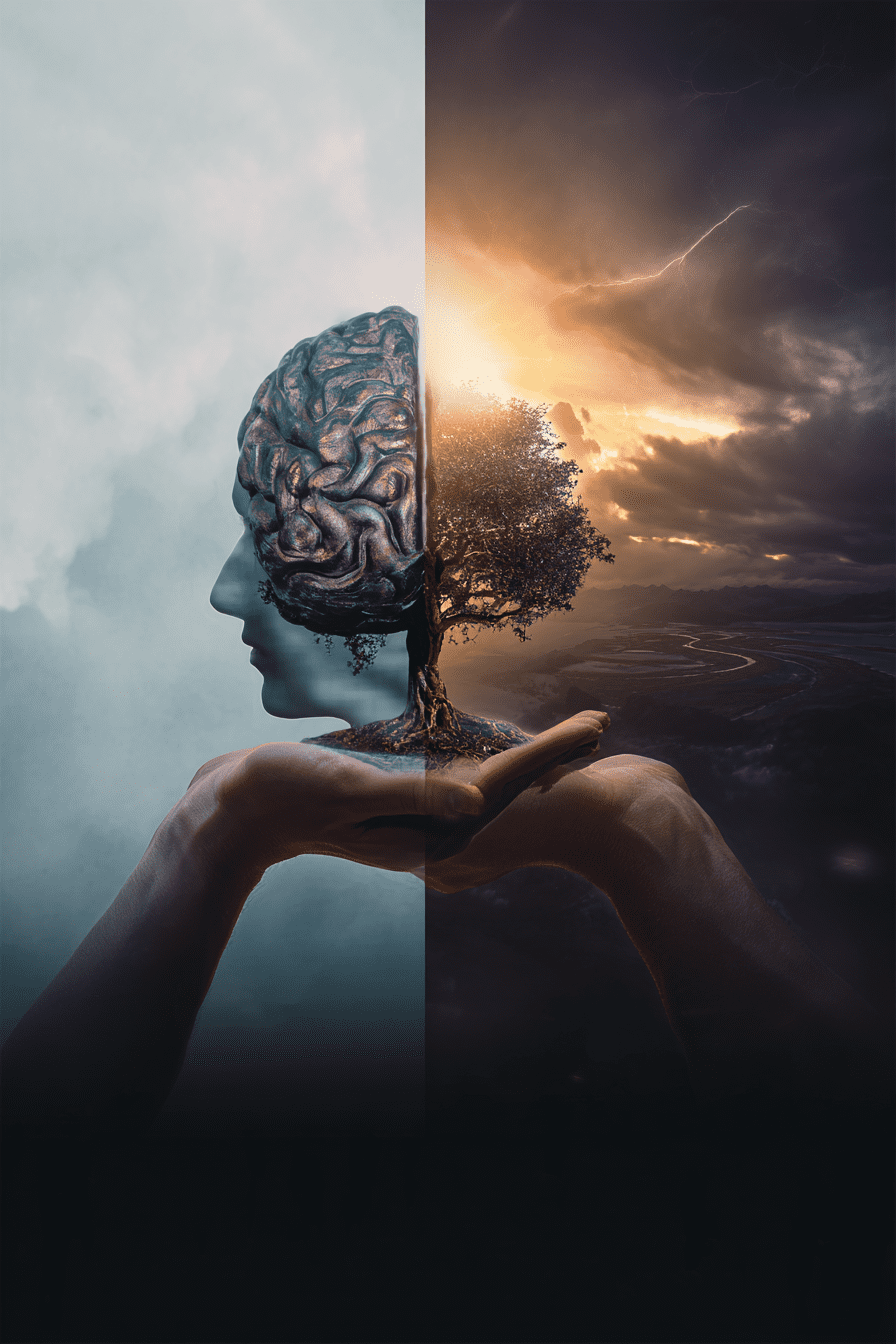
Understanding the difference between desire and love isn’t just a matter of emotion—it’s also about what’s happening inside your brain. Science has shown us that these two experiences activate different systems in the body, and knowing this can help us make sense of what we’re feeling.
The Science of Desire
Desire is deeply rooted in our biology. It’s part of our evolutionary software, designed to ensure the survival of the species. When you feel desire, your brain’s reward system lights up, releasing a flood of dopamine. This is the same chemical that creates a sense of euphoria when you achieve a goal or indulge in something pleasurable. This mechanism is also at play in addictions, such as substance use (alcohol, drugs), gambling, or compulsively scrolling through social media.
Helen Fisher, a well-known biological anthropologist, describes desire as the “lust system.” It’s driven by hormones like testosterone and estrogen, which fuel physical attraction and sexual energy. That’s why desire often feels urgent and all-consuming—it’s your body’s way of saying, “Act now!”
But there’s a catch: the dopamine rush from desire is temporary. It’s like a high—intense but short-lived. This is why relationships built solely on desire often fizzle out once the initial excitement wears off.
The Science of Love
Love, on the other hand, involves a different set of brain systems. While desire is about immediate gratification, love is about long-term bonding and connection. When you’re in love, your brain releases oxytocin and vasopressin—hormones often called the “attachment chemicals.” These hormones create feelings of trust, security, and closeness.
Interestingly, studies have shown that love activates areas of the brain associated with empathy, decision-making, and long-term planning. This is why love feels more stable and enduring—it’s not just about what you want in the moment, but about building a future together.
How Desire and Love Interact
It’s important to note that while desire and love activate different systems in the brain, they are not mutually exclusive. In fact, they often overlap. Desire can kick-start a bond, while love deepens it. For me, the most important thing here is that problems arise when we confuse the two. For example:
- You might mistake the dopamine high of desire for the deeper connection of love.
- You might also dismiss the importance of desire in a loving relationship, leading to a lack of passion.
As with anything, the key is balance. A healthy relationship often contains both the excitement of desire and the stability of love. Recognizing how these forces interact can help you navigate your feelings with more clarity.
Balancing Love and Desire
It’s a common misconception that love and desire are at odds, but I’ve realized—both through personal reflection and countless conversations—that they can fuel and enrich each other if we’re intentional. Desire might light the spark at the beginning, but it’s love that sustains the relationship. Over time, though, routine or stress can dull that spark, and it’s easy to let passion slip into the background.
So, how can you keep both alive? First, make time for shared experiences that break the everyday routine. Whether it’s exploring something new together, being playful, or simply planning an unusual date, novelty helps renew that electric energy between you. Don’t underestimate the power of small physical gestures—touch and affection matter, even after years together.
Equally important is honest communication about needs, fantasies, and boundaries. When both partners feel seen and heard, it’s easier to nurture both emotional closeness and physical desire. Don’t shy away from discussing what feels exciting or what’s missing—it’s a chance for growth, not criticism.
Finally, maintain a sense of your own individuality. Irrespective of how close you are, giving each other space to grow on your own can actually reignite attraction. Sometimes, seeing your partner through a different lens, outside the daily roles, reminds you of the intrigue and admiration that first drew you together.
Finally, maintain a sense of your own individuality. Irrespective of how close you are, giving each other space to grow on your own can actually reignite attraction. Sometimes, seeing your partner through a different lens, outside the daily roles, reminds you of the intrigue and admiration that first drew you together.
Practical Summary: Balancing Love and Desire
To maintain a healthy balance between love and desire in your relationship, keep these key tips in mind:
- Nurture Intimacy: Small acts of affection, like holding hands or sharing meaningful conversations, can strengthen both love and desire.
- Prioritize Novelty: Try new activities together, explore shared interests, or surprise each other with small gestures to keep the relationship dynamic.
- Maintain Individuality: Pursue personal passions and hobbies to preserve a sense of autonomy, which can reignite curiosity and attraction.
- Communicate Openly: Talk about your needs and desires—both emotional and physical—to ensure both partners feel valued and understood.
By focusing on these practices, you can create a relationship that thrives on both passion and connection, ensuring it remains both exciting and meaningful over time.
Maybe that’s what was missing in my relationship—there was love, stability, but desire had faded, passion was lacking? We definitely had periods where we neglected these areas—young children, work, a business, and then the pandemic and inflation, which one after another hit our finances and family stability. Of course, it wasn’t the crises or all those factors that were to blame for us neglecting our relationship—it was our fault because, at that time, we weren’t mindful of each other and our bond.
It was only later, when I started practicing mindfulness, that I understood what a valuable tool it can be in navigating feelings and nurturing a relationship. Mindfulness helps not only in love or romantic relationships but in any relationship that requires care and commitment. It allows us to pause, reflect, and reconnect with what truly matters—both in ourselves and in our partners.
When love and desire coexist, they create a relationship that is both stable and exciting. It’s not about choosing one over the other but about making space for both to thrive. As the saying goes, “Desire is the spark, but love is the flame that keeps burning.”
A Fascinating Study
In a groundbreaking study by Fisher and her colleagues, brain scans of people in love revealed something remarkable: the same brain regions that light up during desire also light up during love, but with one key difference. In love, additional areas related to long-term attachment and emotional regulation are activated. This suggests that love is not simply an extension of desire—it’s a more complex and evolving experience.
Why This Matters
Understanding the biology and psychology behind desire and love can help you make more informed choices in your relationships. For me, this is especially important because I know that when I feel that rush of attraction, I’ll ask myself: “Is this just my brain’s reward system kicking in, or is there something deeper here?” And when I experience the steady warmth of love, I’ll be aware that it’s not just an emotion—it’s a bond that is created and strengthened moment by moment, in everyday life: in its hardships and pleasures, in its ups and downs, in moments of joy and sorrow, for better and for worse.
Love and Desire Through Life’s Stages
Love and desire aren’t static—they grow and change with us, shaped by the twists and turns of life. In our younger years, desire often takes the lead, fueled by the thrill of new emotions and physical attraction. It’s easy to confuse that spark with love, especially when we’re still figuring out who we are and what we truly need.
As we move through life—navigating parenthood, career changes, or even heartbreak—our understanding of relationships deepens. These moments of transition often make us pause and ask: “What do I really want in a partner?” For many, the answer shifts from the fiery intensity of desire to the steady, grounding connection that love provides. Mature love may not have the same rush as youthful infatuation, but it offers something even more valuable: a sense of security, shared purpose, and quiet joy.
At every stage, it’s worth taking a moment to reflect. What are you seeking in your relationships right now? The answers might surprise you—and they might just lead you to the connection you’ve been looking for.
A Spiritual Perspective: Love as a Higher Form of Connection
While science helps me understand—or rather, supports me in the process of understanding (because it is a process, and full understanding may never be possible)—the mechanics of desire and love, spirituality invites me to explore their deeper meaning. Beyond biology and psychology, these experiences touch on something fundamental within me—my sense of purpose, connection, and the spark of divinity that I believe is present in each of us.
Desire: A Double-Edged Sword
In many spiritual traditions, desire is seen as both a powerful force and a potential trap. On one hand, it can be a source of energy and creativity—the spark that drives us to connect, create, and seek something beyond ourselves. On the other hand, unchecked desire can lead to attachment, suffering, and a sense of emptiness. That’s why understanding the chemical mechanism of desire is so important.
The Buddha taught that desire (or tanha, often translated as “craving”) is one of the main causes of suffering. When we cling to desire—in a broad sense, not just in relationships—we get caught in a cycle of wanting, getting, and wanting more. This doesn’t mean desire is inherently bad. The key is how we relate to it: do we use it as a tool for growth, or do we let it control us?
Love: A State of Being
Love, in its highest form, is often described as a state of being, not a fleeting emotion. It’s not something we “fall into” or “find”—it’s something we cultivate within ourselves. Spiritual teachers across cultures and traditions have pointed to love as the ultimate expression of our humanity and our connection to the divine.
- In Christianity, love is seen as the essence of God: “Whoever does not love does not know God, because God is love” (1 John 4:8). This kind of love, often called agape, is selfless, unconditional, and transcendent.
- In Buddhism, love is one of the four brahmaviharas (immeasurable states), along with compassion, joy, and equanimity. It’s not about possession or attachment, but about wishing for the happiness and well-being of all beings.
- In Sufism, the mystical branch of Islam, love is the path to union with the divine. As the poet Rumi wrote, “Love is the bridge between you and everything.”
These teachings remind me that love is not just about romantic relationships—it’s a way of relating to the world, to others, and to ourselves. While psychology often focuses on interpersonal relationships and emotional mechanisms, spirituality offers a broader perspective that includes the meaning of existence, connection to something greater, and universal values.
Love in spirituality is a universal value and the foundation of everything. I take the teachings of the Dalai Lama very much to heart; he sees love not as an emotion but as an all-encompassing compassion and concern for the well-being of others. That’s why it’s so important for me to apply mindfulness and reflection in my life—they allow me to discover love, distinguish it from desire, and be guided by it in all aspects of life, not just in relationships.
The Interplay of Desire and Love
From a spiritual perspective, desire and love are not opposites—they are part of the same journey. Desire can be the starting point, the impulse that prompts us to get to know another person more closely, to enter into a romantic relationship with them. But to move from desire to love, we must let go of selfish attachment and open ourselves to something greater.
This transformation requires self-awareness, which we develop through mindfulness and reflection. They allow us to pause, look deeper within ourselves, and understand our true intentions.
- Am I striving for possession, or am I striving for connection?
- Is this about satisfying my own needs, or is it about giving and receiving in freedom?
- Does this relationship bring me closer to my higher self, or does it move me away from it?
When we approach desire with awareness, it can become a beautiful and safe path to authentic love. And when we approach love with an intention based on mindfulness and reflection, love can become a space where we find deeper meaning and harmony in life.
Personal Reflection
I’ve often found that the moments when I confused desire with love were the moments when I was most disconnected from myself. Desire, when it’s uncontrolled, feels like a hunger that is never satisfied. But love—true love—is like coming home. It’s not about filling a void; it’s about sharing the fullness of who you are with someone else.
I’ll compare it, perhaps a bit bluntly, to eating. For me, desire is like eating on the run just to satisfy hunger—like munching on popcorn at the movies or stress-eating. Love, on the other hand, is like mindful eating: savoring every bite, experiencing the meal with all your senses—taste, smell, touch, sight, and even hearing. It’s being mindful of what I eat and how I eat.
This doesn’t mean that after reading all this, the journey will become easy. Love requires us to be vulnerable, to let go of control, and to trust in something greater than ourselves. That’s why I emphasize the importance of mindfulness and reflection so much. They allow us to open ourselves to love in its purest form. And in doing so, love offers us the greatest gift: a sense of connection that goes beyond the physical and touches the very soul.
Love and Desire in Different Contexts
Conversations with others reminded me of how different the contexts of love and desire can be. Love for family or friends doesn’t require desire—it’s built on care, loyalty, and deep understanding. In romantic love, on the other hand, desire often plays a significant role, but it shouldn’t be the sole foundation of a relationship.
Interestingly, someone once pointed out that desire can even exist toward people we don’t particularly like. This shows how instinctive and biological this feeling is. Love, however, requires conscious commitment and effort. It’s worth reflecting on how these two elements interact in our lives and whether they align with our values.
How to Recognize What You’re Truly Feeling
This is where you need to stop and really focus. It’s one thing to understand the differences between desire and love in theory, but it’s another to apply that understanding to your own life. When you’re caught up in the intensity of emotion, it’s hard to tell what’s driving it. Is it the thrill of desire? The depth of love? Or maybe a mix of both?
That’s why below you’ll find some practical tools to help you reflect, recognize, and navigate your feelings with greater clarity.
1. Reflection – Ask Yourself the Right Questions
Self-reflection is the first step to understanding your emotions. When you’re not sure if you’re feeling desire or love, take a moment to stop and ask yourself:
- Is this feeling focused on what I want, or on what I can give?
Desire often centers on personal gratification, while love is about mutual care and connection. - Does this feeling disappear when the person isn’t around, or does it last over time?
Desire tends to be fleeting, while love endures even in the other person’s absence. - Am I drawn to this person’s looks or energy, or do I value who they are deep down?
Desire is often superficial, while love sees and accepts the whole person. - Would I tolerate this person’s flaws if there were no desire between us?
Love involves accepting someone as they are, including their imperfections, while desire may overlook flaws in the heat of passion. - Do I feel calm and safe in their presence, or more anxious and tense?
Love creates a sense of emotional security and peace, while desire can sometimes bring excitement mixed with unease. - Is this relationship based on mutual support and understanding, or just physical attraction?
Love thrives on shared values and emotional connection, while desire alone may lack the depth needed for a lasting bond.d accepts the whole person.
These questions aren’t meant to judge your feelings, but to help you bring awareness to them. By reflecting on these aspects, you can gain clarity about what you’re truly experiencing and what you need in a relationship.
They can be especially helpful during moments of doubt or crisis, offering a chance to pause and reconnect with your emotions. While the answers may not always be easy, their honesty can lead to a deeper understanding of yourself and your relationships.
2. Practice Mindfulness
Mindfulness is a powerful tool for understanding your emotions. When you’re caught up in the intensity of desire or the warmth of love, take a moment to ground yourself:
- Sit quietly and focus on your breath. Notice the sensations in your body and the thoughts running through your mind.
- Ask yourself: What am I feeling right now? and What is this feeling trying to tell me?
Mindfulness helps you step out of the emotional whirlwind and observe your feelings with clarity and compassion. Also, practice mindfulness during your interactions with this person—in conversation, when spending time together, in small gestures.
3. Pay Attention to How You Feel in Their Presence
Your body and emotions can offer valuable clues. When you’re with this person:
- Do you feel calm, safe, and understood?
Love often brings a sense of peace and security. - Do you feel anxious, excited, and tense?
Desire can feel like an adrenaline rush, but it’s often accompanied by uncertainty or tension.
Neither of these feelings is inherently “good” or “bad.” The key is to notice whether your emotions align with the kind of relationship you want to build. This is where the first two steps—mindfulness and reflection—are particularly helpful, as they assist in better understanding your feelings and intentions.
4. Consider the Trajectory of the Relationship
Take a step back and look at the bigger picture. Ask yourself:
- Is this relationship deepening over time, or is it stuck in the same place?
Love evolves and deepens as you build trust and share experiences. Desire, on the other hand, often plateaus or fades. - Do we share values, goals, and a vision for the future?
Love thrives on compatibility and a shared purpose, while desire may not extend beyond the present moment.
If the relationship seems stagnant or purely physical, it might be driven more by desire than love.
5. Seek Input from Trusted Friends
Sometimes it’s hard to see a situation clearly when you’re in the middle of it. Talking to a trusted friend or mentor can provide a valuable perspective. They might notice patterns or dynamics that you’ve missed. Just be sure to choose someone who will listen without judgment and offer honest, thoughtful feedback.
6. Be Patient with Yourself
Figuring out what you really feel takes time. Emotions are complex, and it’s normal to feel a mix of desire and love, especially in the early stages of a relationship. Give yourself permission to be in uncertainty and allow your feelings to unfold naturally. Over time, the truth will become clearer.
Personal Exercise: Emotion Journaling
One of the most effective ways to explore your feelings is by keeping a journal. Set aside 10-15 minutes to write about your relationship. You can start with prompts like:
- What draws me to this person?
- How do I feel when I’m with them?
- What do I want from this relationship?
- What am I willing to give?
Don’t overanalyze it—just let your thoughts flow. Journaling can help you uncover patterns and insights that may not be obvious in the moment.
How Desire and Love Can, and Even Must, Coexist in a Relationship
One of the most common misconceptions about desire and love is that they are mutually exclusive—that you have to choose one or the other. But the truth is, they can coexist beautifully, complementing and enriching each other in a healthy, balanced relationship.
Desire as the Spark
Desire often serves as the initial spark in a relationship. It’s what draws two people together, igniting passion and excitement. Without desire, relationships can feel stagnant or purely platonic. It’s the energy that drives attraction and keeps things vibrant.
But desire alone isn’t enough to sustain a relationship. Like a spark, it can quickly burn out if it’s not nurtured and supported by something deeper.
Love as the Flame
Love, in turn, is the steady flame that keeps a relationship alive over the long haul. It’s built on trust, respect, and shared experiences. While desire is often about what you want, love is about what you give. It’s the foundation that allows a relationship to withstand challenges and grow stronger over time.
Sometimes, however, the flame of love can dim. In those moments, the spark of desire can help reignite it, reminding you of the passion and energy that were there at the beginning. The key is not just to rekindle the flame, but also to nurture it so it can last and provide warmth for years to come.
When Desire and Love Work Together
In a healthy relationship, desire and love don’t compete—they complement each other. Desire brings excitement and passion, while love provides stability and depth. Together, they create a dynamic bond that is both thrilling and lasting.
For example:
- A couple in a long-term relationship can keep the spark of desire alive by prioritizing intimacy and exploring new experiences together, while their love deepens through mutual support and shared goals.
- In a new relationship, desire might dominate at first, but as the couple gets to know each other on a deeper level, love begins to take root, transforming the bond into something more meaningful.
A Thoughtful Balance
The key to balancing desire and love is something I’ve mentioned several times—mindfulness and reflection. Ask yourself:
- Am I nurturing both passion and emotional connection in my relationship?
- Do I prioritize open communication and mutual respect alongside physical intimacy?
When both elements are present, relationships can flourish. As the saying goes, “Desire is the spark, but love is the flame that keeps burning.”
Conclusion: Key Takeaways
Distinguishing between desire and love is more than just an intellectual exercise—it’s a journey toward self-awareness and growth. By understanding these two forces, we can navigate our relationships with greater clarity and authenticity.
Here are the key takeaways:
- Desire is the spark that ignites attraction. It’s intense, exciting, and often fleeting. While it’s a natural and important part of human connection, it’s not enough to sustain a relationship on its own.
- Love is the steady flame that grows over time. It’s built on trust, respect, and a willingness to give as much as you receive. It’s what transforms a fleeting connection into a lasting bond.
Together, desire and love can create a relationship that is both passionate and meaningful. The key is to recognize what you’re feeling, nurture both elements, and approach your relationships with mindfulness and care.
As you reflect on your own experiences, ask yourself:
- What am I really feeling?
- How can I cultivate the kind of love that brings lasting joy and fulfillment?
This article is just the beginning of the conversation. I’d love to hear your thoughts and experiences:
- What is love to you? How do you distinguish it from desire?
- Have you ever mistaken one for the other? What did that experience teach you?
Share your insights in the comments below—we can learn from each other.
If my writing has inspired or helped you, I would be grateful for your support.
Need support yourself? Discover how I can help you.
AI Disclosure
I see my thoughts as the essence, much like the soul, and AI helps me give them form. It supports me with research, translation, and organizing ideas, but every perspective is my own. Curious how I use AI? Read more here.