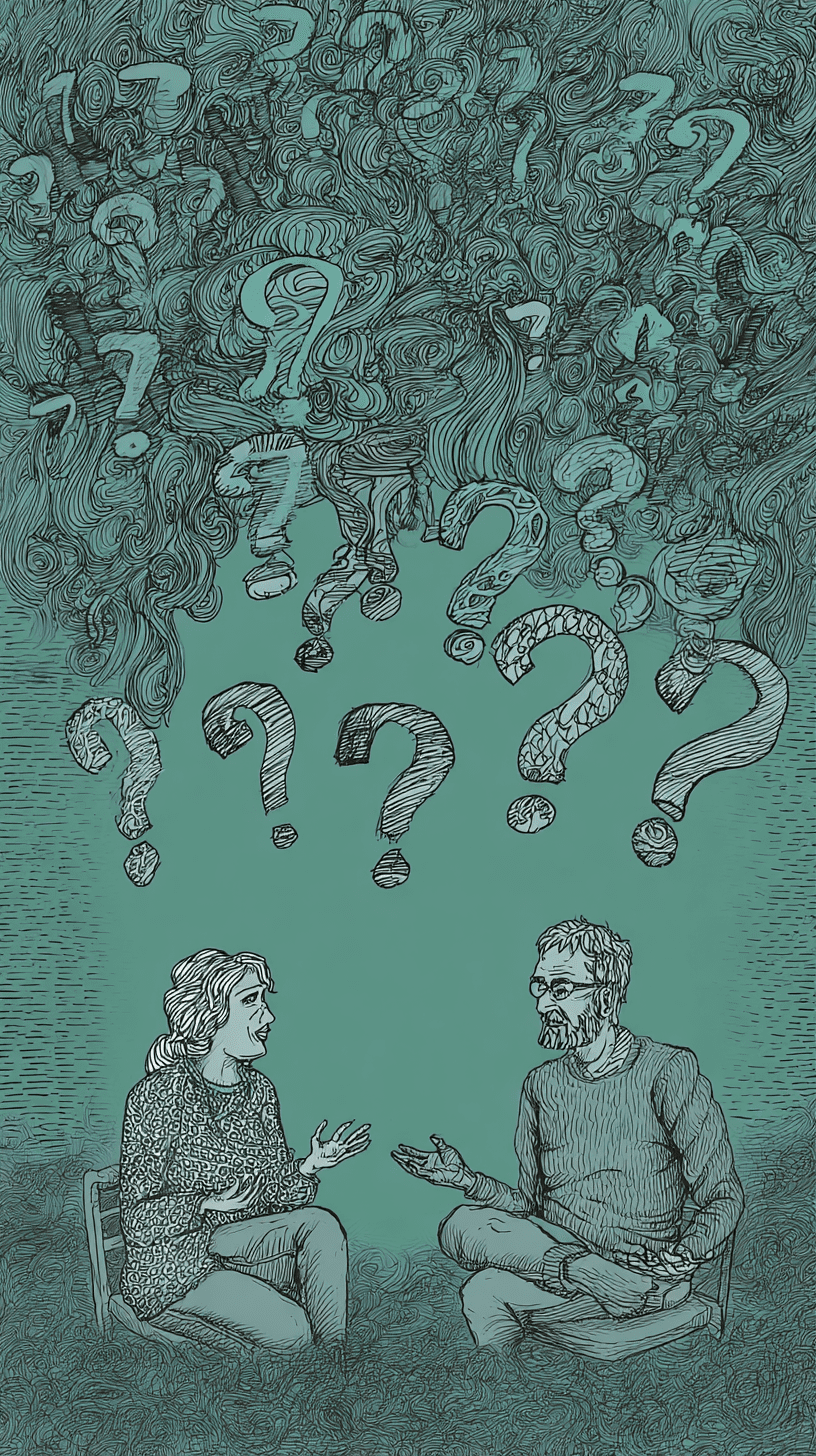

We all want to live with an open heart—cultivating patience, forgiveness, and understanding on our spiritual paths. But what happens when someone, with a strong and dominating ego, enters our lives and tests the very boundaries we are trying to dissolve? Are kindness and “turning the other cheek” always the right answer, or does true spirituality sometimes mean saying “no”?
A story from my own journey illustrates this struggle: Several months ago, while navigating a difficult divorce, I worked hard to approach the situation with acceptance and compassion. I did my best not to judge, remained patient, and continued to offer help to my ex-wife—even when it stretched me thin. But as weeks passed, it became clear she’d come to expect my efforts as a given, often dismissing my needs or limits. My kindness, instead of fostering respect, was being seen as weakness. Finding the balance between compassion and self-respect became an urgent spiritual task.
The Spiritual Trap of “Being Nice”
Many equate spirituality with always yielding or being “nice.” We see calls for humility, non-judgment, and loving-kindness in nearly every tradition. But, as Brené Brown reminds us, “Daring to set boundaries is about having the courage to love ourselves, even when we risk disappointing others.” (from The Gifts of Imperfection)
Psychological research backs this up: A 2016 study published in Frontiers in Psychology found that setting clear boundaries reduces stress, improves relationships, and supports emotional well-being. These effects are especially pronounced when dealing with people with narcissistic traits, who, according to the American Psychological Association, may test our personal limits and seek to manipulate others to meet their own needs.
If you’re committed to growth, “being nice” at the expense of your own energy isn’t spiritual—it’s self-abandonment. As Thich Nhat Hanh said, “Keeping your body healthy is an expression of gratitude to the whole cosmos—the trees, the clouds, everything.” The same is true for your spirit: defending your peace is an act of gratitude for your own existence.
Why Boundaries Are Essential for Growth
Interacting with someone who habitually disrespects your boundaries often feels like a dance—one where you’re learning new steps, but your partner insists on the old, forceful rhythm. A narcissist or egocentric person rarely adapts to your growth and may even escalate efforts to regain control.
Studies, like those by Dr. Ramani Durvasula (clinical psychologist and author of Should I Stay or Should I Go?), show that clear, consistent boundaries with narcissistic personalities not only protect your mental health but are crucial to breaking cycles of manipulation and resentment.
By learning to say, “I respect you, but I also respect myself,” you reclaim agency over your life. Remember, kindness is a gift you give—not an obligation someone claims.
How to Recognize When Your Boundaries Have Been Crossed
Your intuition and body are powerful indicators. Ask yourself:
- Do I feel tightness in my stomach or chest when talking to this person?
- Am I emotionally and physically drained after every interaction?
- Do I feel resentment because I keep saying “yes” out of guilt, not choice?
- Is the conversation always about their needs, with mine dismissed or ignored?
If you answered yes to any, your boundaries may have been crossed.
Practical Steps: How to Communicate Boundaries with Love and Firmness
Communicating with someone who is egocentric isn’t easy—they listen to “win,” not to understand. Here’s what helps:
1. The Broken Record Technique
Don’t negotiate your boundaries. Calmly repeat your position, even if you’re pressured.
- Them: “You never have time for me anymore.”
- You: “I understand you’re disappointed, but I won’t be able to help today.”
- Them: “But you’ve always done this for me before…”
- You: “I hear you, but today I need to take care of myself.”
2. Use “I” Statements
Focus on your needs and limits.
- “I’m happy to help you with this task, but after 6 PM I need time for my own healing and rest.”
- “I don’t feel comfortable talking more about this right now. Let’s revisit when we’re both calmer.”
3. The Mirror Without a Reflection
Narcissism thrives on reaction. Stay neutral and factual; don’t offer emotional “fuel.” Your calm non-reaction is a powerful boundary of its own.
Managing Guilt: Your Spiritual First-Aid Kit
After setting boundaries, guilt may arise—especially if, like me, you were taught to equate saying “no” with selfishness. Remember Dr. Henry Cloud and Dr. John Townsend’s words from their book Boundaries (affiliate link):
“You are not responsible for other people’s feelings, only your own boundaries.”
How to manage the guilt?
- Ground yourself in reality: Are you truly harming anyone, or just not allowing them to cross your limits?
- Meditate with compassion: Wish them well, then visualize yourself energetically releasing their expectations.
- Keep a gratitude list: Focus on what’s been restored to your life through your boundaries—peace, energy, self-respect.
Conclusion: Your Fortress of Peace
Personal growth is not about fixing others—it’s about honoring your own path. There’s wisdom in this quote from Maya Angelou:
“When someone shows you who they are, believe them the first time.”
Fences don’t mean you lack love; they prove that you cherish your own spirit enough to protect it.
A Challenge for You Today:
Reflect on a relationship or situation where your boundaries are being tested. Ask yourself:
- Where do I end and the other person begins?
- Is there one practical, loving “no” I can express today—even if it’s just to myself?
Write it down. Take one small step. Notice—do you feel lighter, calmer, more present? Share your experience in the comments or with a trusted friend.
And remember: Spiritual growth blooms when you nourish both your compassion and your courage.
If my writing has inspired or helped you, I would be grateful for your support.
Need support yourself? Discover how I can help you.
AI Disclosure
I see my thoughts as the essence, much like the soul, and AI helps me give them form. It supports me with research, translation, and organizing ideas, but every perspective is my own. Curious how I use AI? Read more here.