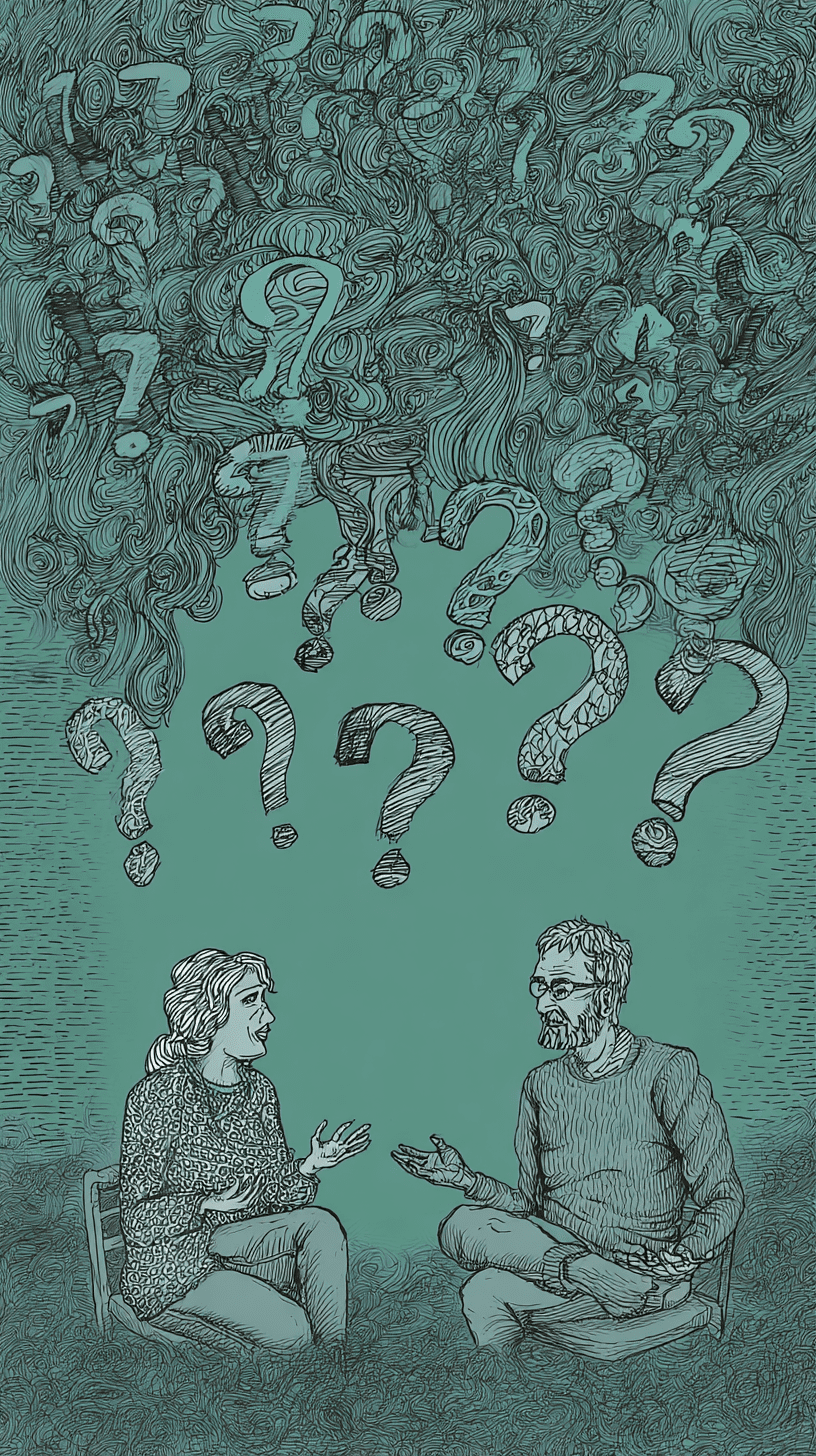

We all have an ego. It’s the part of us that creates our sense of self, our identity. It gives us a name, a history, and the drive to achieve our goals. But there is a shadow side to the ego—a side that can cause conflict, pain, and disconnection if left unchecked. It whispers that we are separate, that we must be right, and that our worth is measured by external validation. So, when does this essential part of our psyche cross the line and start to harm our lives?
The ego isn’t inherently bad, but our over-identification with it is often the root of our suffering. It thrives on conflict, comparison, and control. Learning to recognize its voice is the first step toward reclaiming your peace and building more authentic relationships. Let’s explore the subtle and not-so-subtle ways the ego can sabotage our happiness and what we can do about it.
How Does the Ego Damage Our Lives and Relationships?
The ego’s damage often shows up in our daily interactions, creating walls where there could be bridges. It operates from a place of fear—fear of not being enough, of being wrong, or of losing control.
Here are some common signs that the ego is running the show:
- The Need to Be Right: The ego loves to be right. It will defend its position at all costs, even if it means damaging a relationship. Think of heated arguments about politics or trivial matters. For years, I had pointless debates with my brother. We would both dig in, convinced of our own righteousness, talking past each other. The goal wasn’t to understand; it was to win. In the end, nobody won, and we were left with frustration and distance.
- Taking Things Personally: When the ego is in charge, you interpret everything as a reflection of your worth. A coworker’s feedback becomes a personal attack. A friend forgetting to call becomes proof you don’t matter. This constant defensiveness makes genuine connection impossible. It closes you off from constructive criticism and the simple truth that other people’s actions are rarely about you.
- Constant Comparison: The ego measures your value by comparing you to others. It fuels a never-ending cycle of feeling either superior or inferior. This can manifest as jealousy when a friend succeeds or a smug sense of pride when you feel you’ve “done better.” As psychologist Leon Festinger noted in his Social Comparison Theory, we have a natural drive to evaluate ourselves against others, but the ego turns this into a toxic competition.
- Difficulty Admitting Fault: A fragile ego cannot handle being wrong. It will blame others, make excuses, or deny reality to protect its image. I saw this in my own life. When my wife offered criticism, even with good intentions, my first impulse was to defend myself. My ego saw her feedback not as an opportunity to grow, but as a threat. The same pattern appeared in the business we ran together—I often insisted on doing things myself, believing my way was better, which undermined our partnership and created unnecessary friction.
The Crucial Role of Intention
The difference between an ego-driven action and a soul-centered one often comes down to one thing: intention. Before you speak or act, your intention sets the energy for the entire interaction. The ego’s primary intentions are rooted in self-preservation and validation.
Consider the difference:
- Ego-Driven Intention: “I need to prove my point.” “I want them to see I’m right.” “I can’t let them get away with this.”
- Soul-Centered Intention: “I want to understand their perspective.” “I want to find a peaceful resolution.” “I want to connect with this person.”
Shifting your intention is a powerful practice. Before entering a difficult conversation, take a moment to ask yourself: “What is my true intention here?” Is it to win, or is it to connect? Is it to blame, or is it to learn? Simply setting a conscious intention for understanding and peace can completely change the dynamic of an interaction. It moves you from a state of combat to a state of collaboration.
Practical Steps for Managing the Ego
Taming the ego isn’t about destroying it; it’s about demoting it from master to servant. It requires awareness and consistent practice. Here are a few tools you can use in your daily life.
1. Practice the “Sacred Pause”
The ego loves to react instantly. When you feel triggered, your heart races, and defensive words are on the tip of your tongue. The Sacred Pause is the simple act of creating a gap between the trigger and your response. Take a deep breath. Count to three. This small moment of stillness is often enough to let the initial egoic wave pass, allowing you to respond from a calmer, more conscious place.
2. Trade Judgment for Curiosity
When you feel yourself judging someone, try to get curious instead. Judgment (“They are so wrong/stupid/lazy”) is an ego-driven act that creates separation. Curiosity (“I wonder why they see it that way?” or “What experiences led them to this belief?”) opens the door to understanding and empathy. It disarms the ego’s need to be superior.
3. Focus on Contribution, Not Validation
The ego craves praise and recognition. It wants to know, “What can I get from this?” Try shifting your focus to, “What can I give?” Whether in your work, your family, or a simple conversation, orient yourself toward contribution. When you focus on serving others or adding value, the ego’s need for validation naturally quiets down.
4. Laugh at Yourself
The ego takes itself incredibly seriously. It’s terrified of looking foolish. One of the most powerful ways to dissolve its grip is with humor. When you make a mistake, instead of letting shame take over, try to find the humor in it. Laughing at yourself reminds you that you are human and imperfect, and that’s perfectly okay.
A Final Thought
As Eckhart Tolle wisely stated, “The ego is no more than this: identification with form, which primarily means thought forms.” You are not your thoughts, your opinions, or your accomplishments. You are the awareness behind them. When you learn to observe your ego without identifying with it, you unlock a profound sense of freedom and peace.
Your Call to Action
I invite you to become an observer of your own mind this week. Notice when the need to be right, the sting of criticism, or the urge to compare arises. Don’t judge it—just notice it. What patterns do you see? Share your observations in the comments below. Your story could help someone else on their journey.
A Challenge for You Today:
Pick one situation where you typically feel your ego take over—a conversation with a specific family member, a meeting at work, or even scrolling through social media. Before you engage, set a clear, conscious intention. Choose an intention of understanding, connection, or peace. Then, simply observe what changes.
If my writing has inspired or helped you, I would be grateful for your support.
Need support yourself? Discover how I can help you.
AI Disclosure
I see my thoughts as the essence, much like the soul, and AI helps me give them form. It supports me with research, translation, and organizing ideas, but every perspective is my own. Curious how I use AI? Read more here.