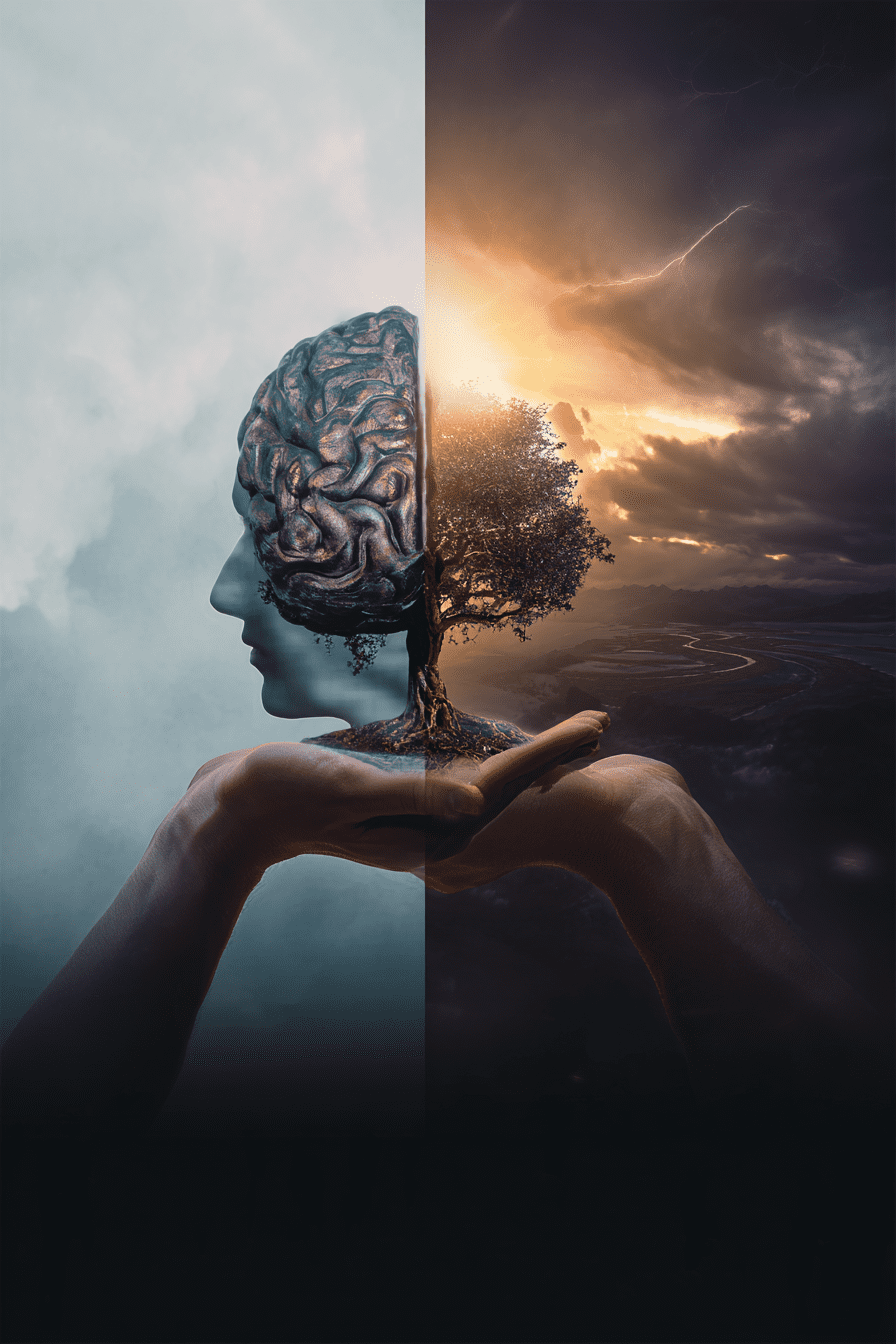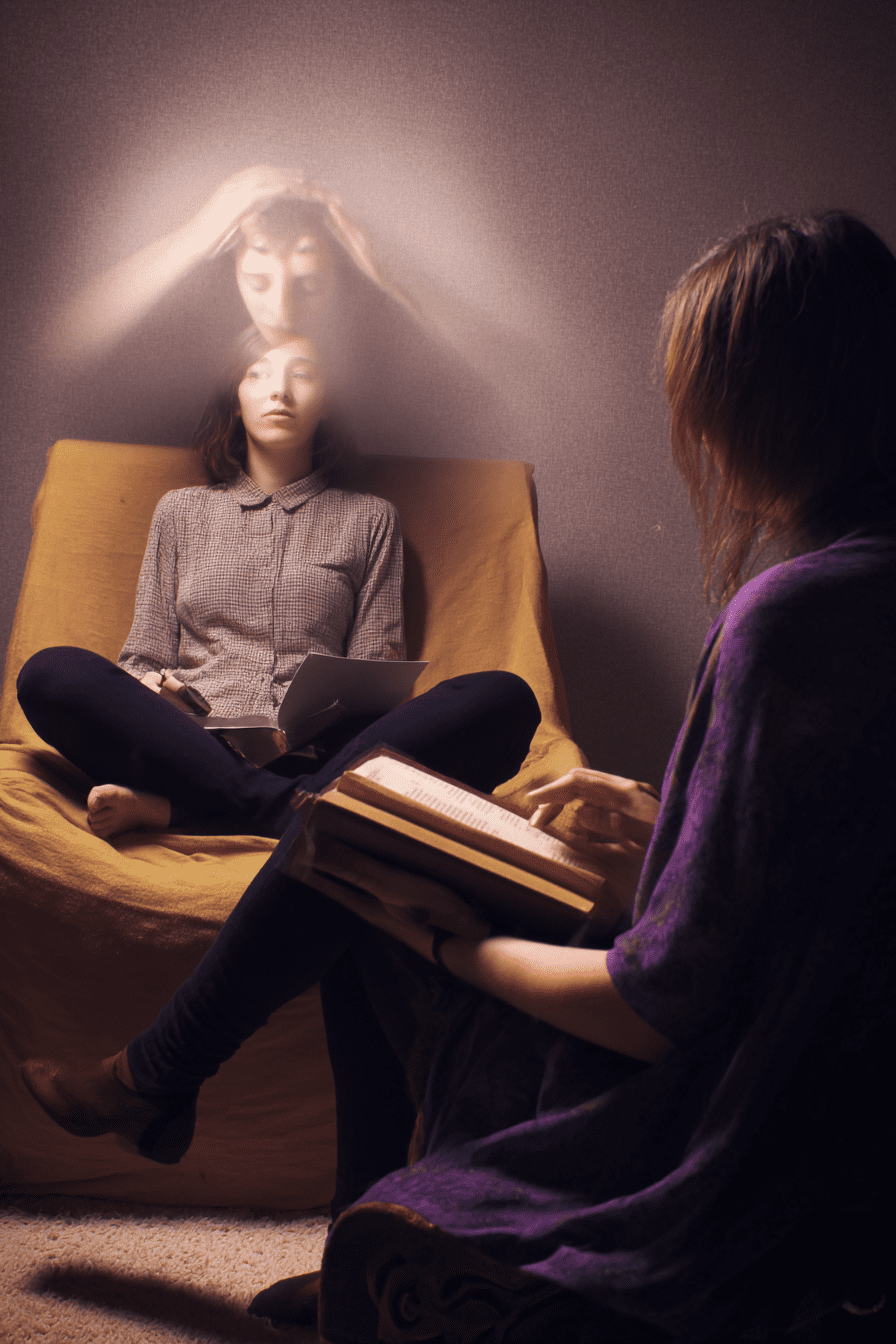

I stumbled across a post online recently that really caught my attention. Someone was describing their experience with sensing other people’s energy—this uncanny ability to pick up on intentions, emotions, and even lies before anyone else noticed. The writer talked about sensing “bad vibes” and how hard it was to find people they really clicked with. They were wondering what this ability actually was and if there was a name for it.
Their question lingered with me, prompting a wave of curiosity. What is this ability to sense others so deeply—is it a spiritual gift, a heightened intuition, or something that science might eventually explain? Wanting to make sense of it, I felt compelled to look at this phenomenon from different perspectives—psychological, spiritual, and cultural. By unpacking these viewpoints, I hoped to get a clearer understanding of what makes this intuitive skill so captivating—and perhaps, to see whether it’s something we all have inside us, waiting to be discovered or nurtured.
I have to admit, I don’t have these abilities myself. Quite the opposite, actually—I often feel like I don’t understand people at all, and my intuition can be pretty unreliable. One of the toughest experiences where my gut feelings turned out wrong was my relationship with my wife. That path eventually led to her leaving and me raising our kids alone. While painful, that situation taught me the importance of listening to myself, but it also showed me just how complicated it is to truly understand another person’s intentions.
For years, I’ve been trying to deepen my spirituality—I read a lot, practice mindfulness, and meditate. It makes me feel calmer, I meet more positive people, and I have more meaningful conversations, but I still wouldn’t call it “reading energy.” Maybe mindfulness and meditation will help me develop better intuition someday, but I’m not making that my goal. I believe we all have unique gifts and talents—we just have to discover and develop them at our own pace.
It’s also worth remembering that besides a soul, we have a physical body, and that comes with specific biological limitations. My personal neurobiological structure might simply limit my ability to read emotions or energy—and that’s okay. I’ll probably never be as skilled at it as someone with hyper-empathy, that exceptionally developed ability to feel emotions which stems from specific neurobiological predispositions. As Dr. Elaine Aron explores in her book, The Highly Sensitive Person, some people naturally have a heightened ability to sense subtle emotional cues due to their sensitive nervous systems. But these individual differences shouldn’t be a source of frustration—we each have our own potential, and it’s worth accepting and respecting that.
“Love is our true destiny. We do not find the meaning of life by ourselves alone—we find it with another.” — Thomas Merton
The Psychological Perspective: Empathy, Intuition, Sensitivity, and Neurobiology
From a psychological standpoint, sensing other people’s energy can be seen as an advanced blend of empathy, intuition, high sensitivity, and emotional intelligence. This is a complex process shaped by both our biology and our life experiences—a theme supported by Elaine Aron in The Highly Sensitive Person, where she describes how sensitive nervous systems heighten our ability to tune into subtle emotional cues. For some, this comes as sharp empathy, a knack for spotting signals most people miss; for others, it’s a deeper intuition or an openness to recognizing their own feelings. Sometimes, as studies on neurodiversity (including research into autism spectrum conditions) have shown, individuals experience emotions and social cues in unique ways. But these skills aren’t exclusive to any one group—similar challenges and talents appear in neurotypical people, highly sensitive people, or anyone intentionally developing their emotional intelligence through self-reflection, mindfulness, and learning.
As Albert Einstein once said, “The intuitive mind is a sacred gift and the rational mind is a faithful servant.” This underscores the scientific and instinctual facets of what we call intuition—often a rapid, subconscious synthesis of subtle data, like Paul Ekman’s research on micro-expressions, which highlights how some individuals instinctively decode fleeting, involuntary facial signals. These capacities are as much a part of our psychological makeup as they are a product of our upbringing and conscious practice.
- Empathy is the ability to understand and feel others’ emotions. Psychologists distinguish between cognitive empathy (understanding thoughts and feelings intellectually) and emotional empathy (feeling others’ emotions almost as your own). People with high emotional empathy can physically feel the joy or sadness of those around them.
- High Sensitivity (HSP), described by psychologist Elaine Aron, involves a more reactive nervous system and deeper processing of stimuli, including subtle emotional and social cues. Highly sensitive people notice nuances in mood, tone of voice, or body language that others might easily miss.
- Emotional Intelligence is the ability to recognize, understand, and regulate both your own emotions and those of others. Developing this skill boosts personal and professional relationships and supports better mental well-being, regardless of your neurobiological makeup.
- Neurodevelopmental Diversity: Some people, for example on the autism spectrum, might face specific hurdles like alexithymia (difficulty identifying and describing one’s own emotions) or emotional dysregulation. At the same time, research shows that both neurodivergent and neurotypical people can experience empathy and intuition in rich, varied ways that aren’t limited to one model of functioning.
- Intuition and Micro-expressions: Both science and spiritual traditions highlight the role of intuition—that “gut feeling”—which can result from rapid, subconscious data processing. Research on micro-expressions (fleeting, involuntary facial expressions) shows that some people spot them instinctively, and intuition serves as both an everyday tool and a mystical one in various spiritual paths.
Gender Differences in Emotional Intelligence
It’s also worth noting gender differences. Studies suggest that men and women—whether on the autism spectrum or not—might process emotions differently. Women often show stronger masking mechanisms (social camouflage), which can be linked to higher affective empathy and more effort put into “reading” the room. Men, on the other hand, are often observed having more difficulties with cognitive empathy. But it’s crucial to stress that similar challenges and abilities appear across the board—in neurotypical people, highly sensitive people, or those developing emotional intelligence irrespective of biology. So, gender and individual social experiences can influence how we understand, express, and interpret emotions in different ways—whether you look at it through psychology, spirituality, or mindfulness practices.
Empathy in the Autism Spectrum: Busting Myths
The topic of empathy—whether developed through practice or observed in people with different sensitivities, including autism—is often misunderstood. Stereotypes, like the idea that autistic people “don’t have empathy,” are not only untrue but harmful. In reality, empathy is much more complex and multidimensional, present in neurotypical people, highly sensitive people, and those on a spiritual path. Regardless of whether we view it through science, spirituality, or daily life, it’s worth remembering that everyone expresses it uniquely.
Interestingly, the comment that inspired this article turned out to be written by someone on the autism spectrum—likely with hyper-empathy and high emotional intelligence. That’s exactly why I decided to dedicate more space to empathy in autism, to show just how diverse this topic is and how unfairly flattened it gets by stereotypes.
Here, it’s worth looking at the “Double Empathy Problem.” This concept suggests that communication breakdowns between autistic and neurotypical people are a two-way street, not a one-sided deficit. Research and accounts from people on the spectrum show it’s not about a total lack of empathy. Instead, many autistic people feel very deeply (affective empathy), even if they struggle with cognitive empathy, or understanding someone else’s perspective. For some, this affective empathy is incredibly intense, especially regarding others’ negative emotions, while “reading between the lines” and interpreting social nuances remains difficult.
This phenomenon is also described as effortful; intense emotional reactions can lead to exhaustion and sometimes even social withdrawal. Importantly, it’s often much easier for autistic people to connect emotionally with other autistic people, with whom they share a similar style of feeling and communicating. The diversity of empathy experiences on the spectrum debunks the persistent myth that autistic people lack empathy entirely—it’s really a matter of individual differences and mutual understanding.
Diverse Experiences of Empathy
Empathy takes different forms depending on personality, biology, and social conditioning. Some people naturally “absorb” the emotions around them, experiencing hyper-empathy, which can sometimes lead to overload and a need for isolation. Others view empathy as a process requiring reflection and mindfulness, sometimes using specific emotional intelligence tools to figure out how someone else feels.
The Role of Emotional Intelligence
Regardless of biological predisposition or spiritual approach, emotional intelligence helps us better understand our own and others’ emotions, facilitating satisfying relationships and healthy self-esteem. Developing this competence supports neurotypical people, highly sensitive people, and those on the autism spectrum alike—it’s not limited to any select group.
Modern Communication Concepts
The “Double Empathy Problem” is gaining ground, pointing out that difficulties in understanding emotions happen on both sides—whether between different sensitivity types or neurotypes and cultures. Communication barriers stem from different styles of feeling and interpreting social signals.
Spiritual and Developmental Perspectives
In spiritual traditions, empathy is often treated as a gift or sign of higher consciousness, available to those open to inner growth. Practices like mindfulness, meditation, or energy work strengthen the ability to recognize subtle emotions and manage them better daily.
Universal Ability
Every human being, regardless of neurotype, sensitivity level, or spiritual path, can develop the skill of reading others’ emotions and energy. The key is finding your own methods of regulation and emotional protection so that sensitivity becomes an asset, not an obstacle.
The Spiritual Perspective: Empaths, Clairsentients, and Higher Consciousness
In spirituality, the ability to sense energy is often viewed as a gift or a sign of higher consciousness that goes beyond psychology.
- Empaths and Clairsentients: In esoteric circles, people with this ability are called empaths (when they “absorb” others’ emotions) or clairsentients (when they sense energy and vibrations on a deeper, spiritual level). It’s often said they have an open Heart Chakra (Anahata), which in Hinduism is the center of compassion and connection.
- Spiritual Traditions: Different belief systems describe this differently. In Buddhism, intuition (prajñā) and mindfulness are key tools for understanding reality deeply. In Christianity, there is the concept of “discernment of spirits” (1 Cor 12:10), which can be interpreted as the ability to distinguish between good and bad intentions.
- Quantum Spirituality: Quantum physicist Amit Goswami, in his book The Self-Aware Universe, suggests we are all connected through a universal field of consciousness. The ability to sense others’ energy might be a manifestation of being more “tuned in” to this non-local field that transcends individual minds.
Cultural and Philosophical Perspectives: From Shamans to Modern Coaching
Attitudes toward intuition vary by culture and era.
- Eastern and Indigenous Cultures: In Eastern traditions, intuition is a natural element of spiritual practice. The Chinese concept of Qi (life energy) or the Japanese concept of hara (the center of intuition in the belly) show how deeply rooted the perception of invisible energies is there. In indigenous cultures, shamans and healers were seen as people capable of sensing spiritual energy, allowing them to heal and lead their communities.
- Western Philosophy: Philosophers like Henri Bergson viewed intuition as a form of direct knowledge, distinct from intellect. This contrasts with the rationalist approach, which often reduces intuition to rapid, unconscious reasoning.
- Modern Approach: Today, we see a fascinating blend of science and spirituality. Practices like mindfulness, coaching, and positive psychology draw from both worlds, teaching us how to develop self-awareness and better understand signals from the body and mind.
Practical Tips: Growth and Protection
Regardless of how you view reading people’s energy—whether you treat it as sensitivity arising from your neurobiology, or as a spiritual gift with a scientific foundation—learning to manage this ability is essential. Try grounding exercises: take off your shoes and stand barefoot on grass, close your eyes, and imagine roots growing from your feet deep into the earth—feel yourself supported and steady. Practice mindful breathing by inhaling slowly for four counts, holding for four, and exhaling for six; this can instantly calm your nervous system and help you distinguish between your emotions and those you pick up from others. Set aside five minutes daily to sit quietly, focus on your senses, and simply notice any subtle shifts in your energy or mood—this practice strengthens both your awareness and resilience.
Energy Protection Techniques
Having a sensitive “radar” can be challenging. Here’s how to protect yourself from burnout:
- Grounding: Regular contact with nature, walking barefoot on grass, or visualizing roots growing into the earth helps stabilize your own energy.
- Shield Visualization: Imagining a bubble of light or a mirror reflecting negative energy is a simple but effective protection method.
- Mindfulness and Meditation: These practices help distinguish your own emotions from those picked up from others, creating inner space and peace.
Tools for Developing Emotional Intelligence
For those who want to systematically work on their abilities (including those on the autism spectrum):
- SEL Programs (Social and Emotional Learning): Structured learning programs that help identify and name emotions.
- The RULER Method: Developed by the Yale Center for Emotional Intelligence, this system teaches recognizing, understanding, labeling, expressing, and regulating emotions. It’s particularly effective because it adapts the pace to individual needs.
- Mood Journals and Emotion Cards: Simple visual tools that help with daily training in recognizing emotional states—your own and others’.
Summary: Discovering Your Own Gifts
The ability to sense other people’s energy is a complex phenomenon that can be analyzed from many angles. Whether we call it a spiritual gift, sharpened empathy, specific neurobiology, or advanced intuition, the most important thing is developing this skill with the intention of helping yourself and others.
A Challenge for You Today:
Reflect on a recent situation where you felt a strong gut feeling. Write it down and consider what it taught you about yourself or others. Then, take one small, practical step to better understand your inner signals.
Remember, we all have unique abilities. Maybe your gift isn’t reading auras, but creating, inspiring, logical thinking, or simply being a good listener. The key is exploring your inner self, rejecting harmful stereotypes (like the one about lack of empathy in autism), and finding what makes you unique.
What are your experiences? Have you ever had a gut feeling that turned out to be true? How do you deal with negative energy around you? Share your thoughts in the comments.
If my writing has inspired or helped you, I would be grateful for your support.
Need support yourself? Discover how I can help you.
AI Disclosure
I see my thoughts as the essence, much like the soul, and AI helps me give them form. It supports me with research, translation, and organizing ideas, but every perspective is my own. Curious how I use AI? Read more here.