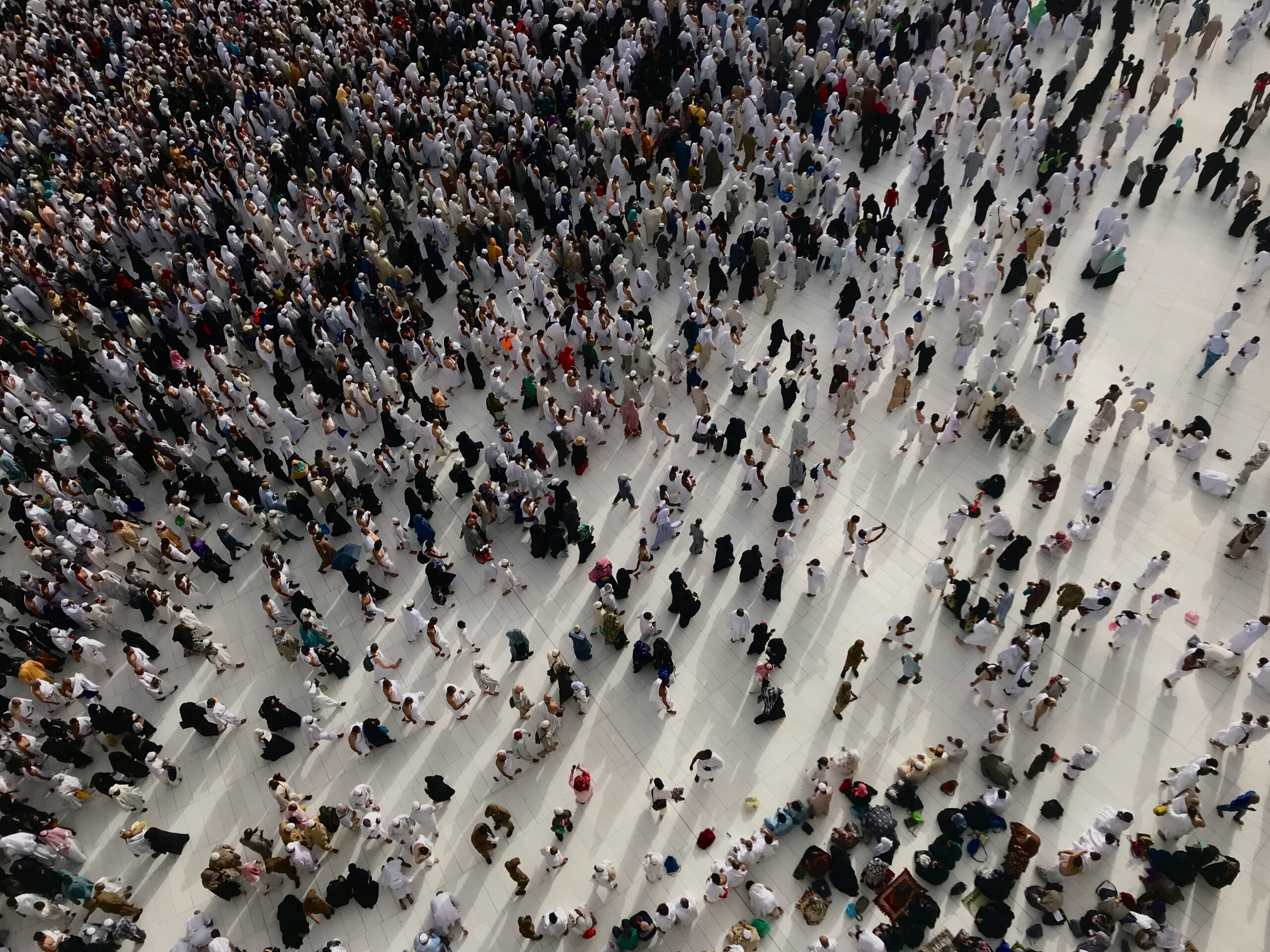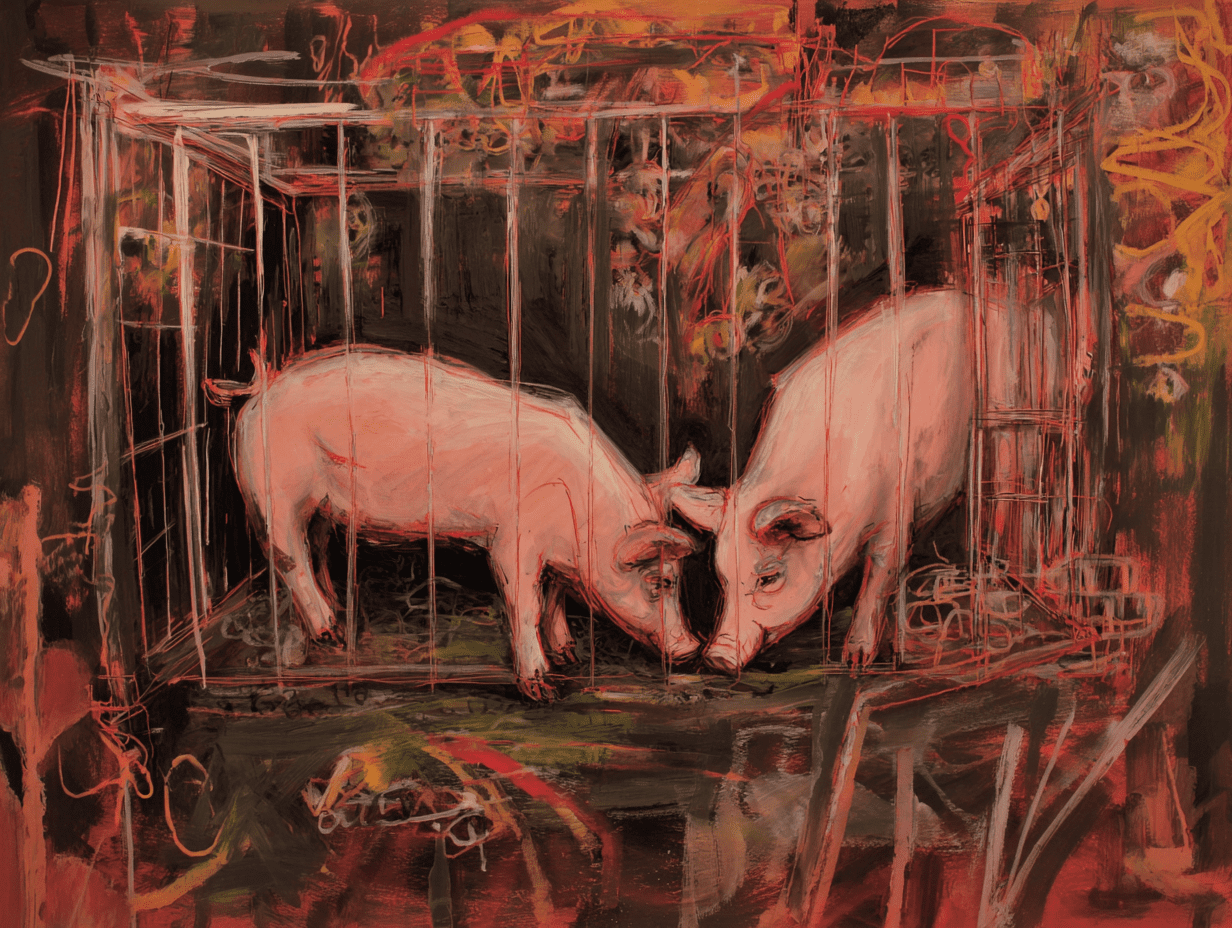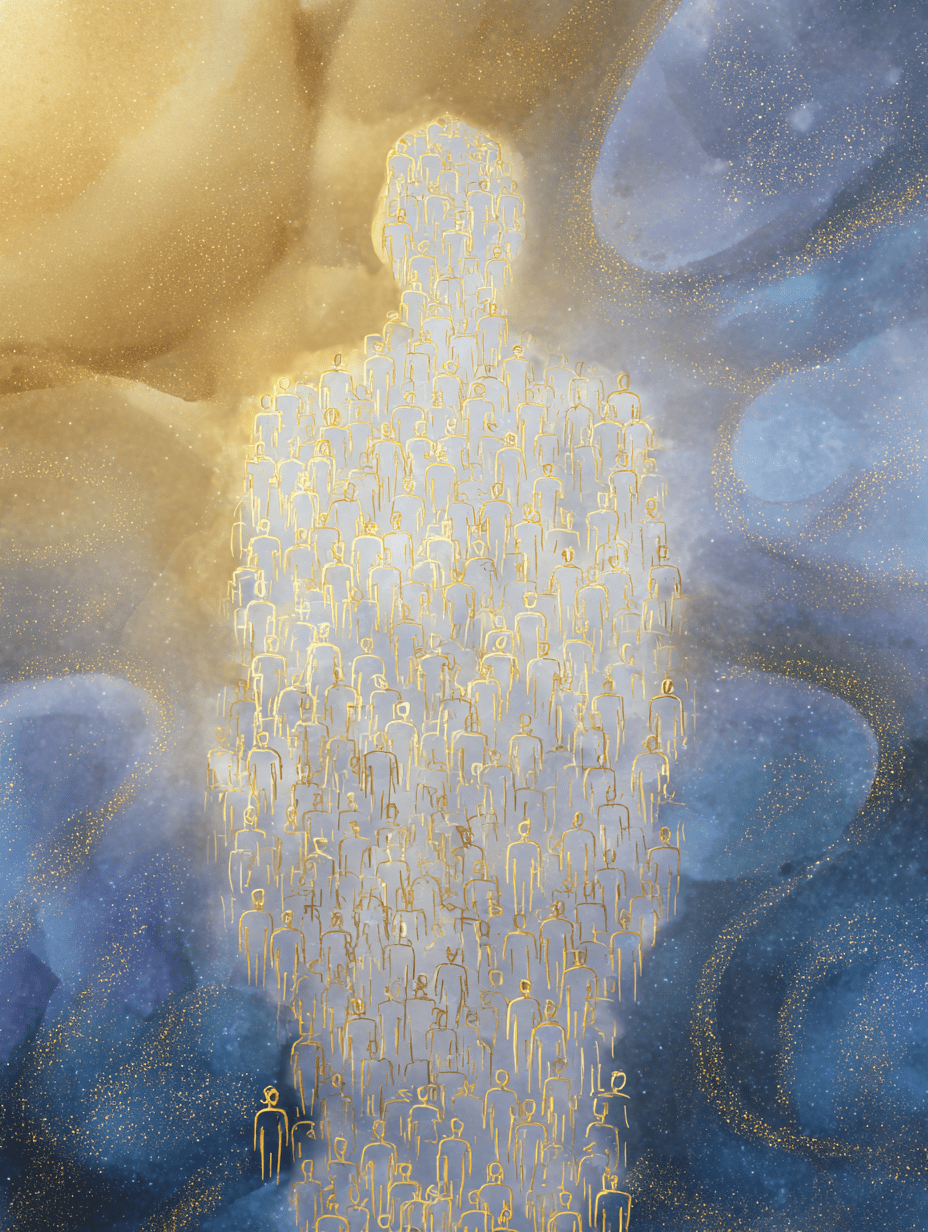

We’ve all heard the phrase: “Live like there’s no tomorrow.” It sounds like the perfect slogan for a t-shirt or a tattoo. But what does it really mean? Is it a call for absolute recklessness, or a deeper lesson about how fleeting life is?
Not too long ago, I often felt like my days were just slipping through my fingers. The routine was relentless: wake up, work, deal with house chores, drive the kids to their activities, and collapse onto the couch. In my free time, I’d scroll through Netflix, too drained after a long day to pick up a meaningful book. In those moments, the idea of “living like there’s no tomorrow” would hit me like a boomerang.
Before I started to explore my own spirituality, I never realized that people see this idea in two completely different ways. And that difference is what determines whether you wake up with a hangover (literal or metaphorical) or a sense of deep peace.
Today, let’s look at these two paths and figure out how to find real meaning in all of it—the kind of purpose that keeps you standing when everything else feels like it’s falling apart.
Perspective One: After Me, the Deluge
The first interpretation is the most obvious and, let’s be honest, the most tempting. It’s classic hedonism with a pop-culture twist. If tomorrow might not come, why worry about the consequences?
The Trap of Instant Gratification
In this view, “no tomorrow” is a free pass to ignore responsibility. It’s the YOLO (You Only Live Once) mindset that often leads to impulse buys, partying until dawn, and avoiding difficult conversations.
Psychological research, like Philip Zimbardo’s time perspective theory, shows that people who are purely focused on “Present Hedonism” are more likely to engage in risky behaviors. In this mode, the brain is just looking for a quick dopamine hit.
The problem? When tomorrow does arrive (and statistically, it usually does), you wake up with an empty wallet, neglected relationships, and a feeling of emptiness. It’s living on credit, both literally and figuratively. As the Roman Stoic Seneca noted:
“Life, if you know how to use it, is long.”
But if you burn through it like a firework, you’re quickly left with nothing but ash.
Perspective Two: Awareness of the End as a Motivator
But what if you looked at it differently? What if “no tomorrow” wasn’t an excuse for recklessness, but a reminder of how fragile life is? This is the second, deeper perspective.
Memento Mori in Practice
In his famous Stanford commencement speech, Steve Jobs said:
“Remembering that I’ll be dead soon is the most important tool I’ve ever encountered to help me make the big choices in life.”
For this group of people, living in the moment means mindfulness. It’s not about eating all the cookies at once, but about truly savoring the one you’re eating. If tomorrow isn’t guaranteed, then today’s argument with your partner seems absurd. If this is your last day, do you really want to spend it scrolling through social media?
People who choose this path:
- Share their kindness: Because they know you can’t take it with you.
- Mend relationships: Because they don’t want to leave things unsaid.
- Grow and learn: Not for a promotion, but for the sheer joy of experiencing the world while they can.
This approach paradoxically brings more peace. Instead of chaos, it introduces harmony and gratitude for every single breath.
What Am I Really Living For? Techniques for Finding Your Purpose
No matter which philosophy you lean toward, sooner or later you’ll ask yourself, “Why?” Viktor Frankl, a psychiatrist and Holocaust survivor, founded logotherapy on the idea that our primary drive isn’t the pursuit of pleasure (like Freud said) or power (like Adler said), but the search for meaning.
How do you find it? You don’t have to move to the mountains or meditate in Tibet. Here are some proven techniques.
1. Mini-Logotherapy: Find Your “Why”
Frankl argued that you don’t invent your purpose—you discover it. We can find it through:
- Creation and action: What do you give to the world? It could be your work, your hobby, or raising your children.
- Experiences: Connecting with art, nature, or another person (love).
- Your attitude toward suffering: Even in the toughest moments, you have the freedom to choose your response.
Exercise: What makes you lose track of time? When do you feel most needed?
2. The Value and Gratitude Journal
It might sound trivial, but research in positive psychology (by figures like Martin Seligman) confirms how effective this method is.
Every evening, write down:
- Three things you’re grateful for.
- One thing you did that aligned with your core values.
If family is one of your values and you spent the evening playing with your child, that’s your purpose on a micro-scale. A meaningful life isn’t always about a grand mission to save the planet. It’s often the sum of small, meaningful moments.
3. The “Funeral” Technique (Visualization)
It’s a bit grim, but it works. In The 7 Habits of Highly Effective People, Stephen Covey suggests an exercise: imagine your own funeral. What would you want your loved ones, colleagues, and friends to say about you?
What you’d want to hear is a roadmap to what’s truly important to you. If you want to be remembered as a helpful person but you’re not currently helping anyone, you know what you need to change.
4. Mindfulness: The Here and Now
We often can’t see our purpose because we’re too busy dwelling on the past or worrying about the future. The practice of mindfulness anchors you in the present.
A simple technique:
Sit comfortably. Focus on your breath for 5 minutes. When your mind wanders (and it will), gently guide your attention back to your breath. This trains you to realize that life is happening now. You can only find meaning in the present moment, never in “someday.”
A Personal Turning Point
There was a pivotal moment in my life that changed everything—a moment that forced me to dig deeper and truly ask myself what my purpose was. My wife admitted to a long-term affair and announced she wanted to leave. But the part that struck me the most was realizing that our three children had really been left in my care; she showed little interest in being involved, and I knew I had to step up and provide them with the best future I could.
Suddenly, my everyday routine was shattered. The responsibilities multiplied—balancing work, running a household, and guiding my kids through their activities, their passions, and the turbulent emotions we all felt. In the middle of that storm, I found myself searching for meaning. I started diving into mindfulness, meditation, psychology, spirituality, and personal growth—not as empty buzzwords, but as lifelines to help me through an impossible time.
That search led me to discover a real sense of mission: helping others move through their own hardships, offering the support and perspective I wished I’d had at my lowest point. Above everything, my kids became my priority. They always had been, but now I saw it with absolute clarity. As a family with their mother, my wife and I always believed our role was to raise them, give them roots and values, help them find their way in the world. I took pride in watching them discover their talents and supporting their passions, and I never wanted the pain of divorce to destroy all that.
This deeply personal experience also led to a powerful reflection—one that actually inspired me to write this article. I realized that I chose to live as if tomorrow might never come, but not as an excuse for excess or escape. Instead, I saw the awareness of mortality as a motivator to become a better person and invest in my own growth. In contrast, my wife—by her own admission—embraced the idea that life is short as a reason to enjoy herself while she was still young. She didn’t leave for someone else, but to pursue a single lifestyle: meeting new people, flirting, chasing excitement, seeking out quick highs and new experiences. Over time, I saw that she’d long been pulled toward instant gratification—the dopamine hits, the fast rewards, the endless scroll of social media. In this way, we each embodied one of the two philosophies explored in this article.
Conclusion: Balance is Key
The philosophy to “live like there’s no tomorrow” can be a trap or the most beautiful lesson. The choice is yours.
You can choose the path of mindless consumption that leaves you feeling empty. Or you can choose the path of awareness, where you treat each day as a gift. Remember that discovering your purpose is a process, not a destination. You don’t need to have all the answers today. The important thing is to start asking the right questions.
I’ll leave you with a thought from Marcus Aurelius that perfectly ties these two worlds together:
“Don’t act as if you were going to live ten thousand years. Death hangs over you. While you live, while it is in your power, be good.”
So, which approach feels closer to you? Let me know in the comments how you find meaning in the daily rush.
A Challenge for You Today:
Take a few quiet minutes to reflect on the two perspectives above. Which one feels more familiar to you right now? Are you living in a way that truly matches your core values and your sense of purpose, or is there a disconnect you’ve been avoiding? Pick just one small, meaningful step you can take—maybe jot down what matters most to you, pause for five minutes of mindfulness, or reach out to someone and make amends. The journey to living with intention begins with the smallest action.
If my writing has inspired or helped you, I would be grateful for your support.
Need support yourself? Discover how I can help you.
AI Disclosure
I see my thoughts as the essence, much like the soul, and AI helps me give them form. It supports me with research, translation, and organizing ideas, but every perspective is my own. Curious how I use AI? Read more here.