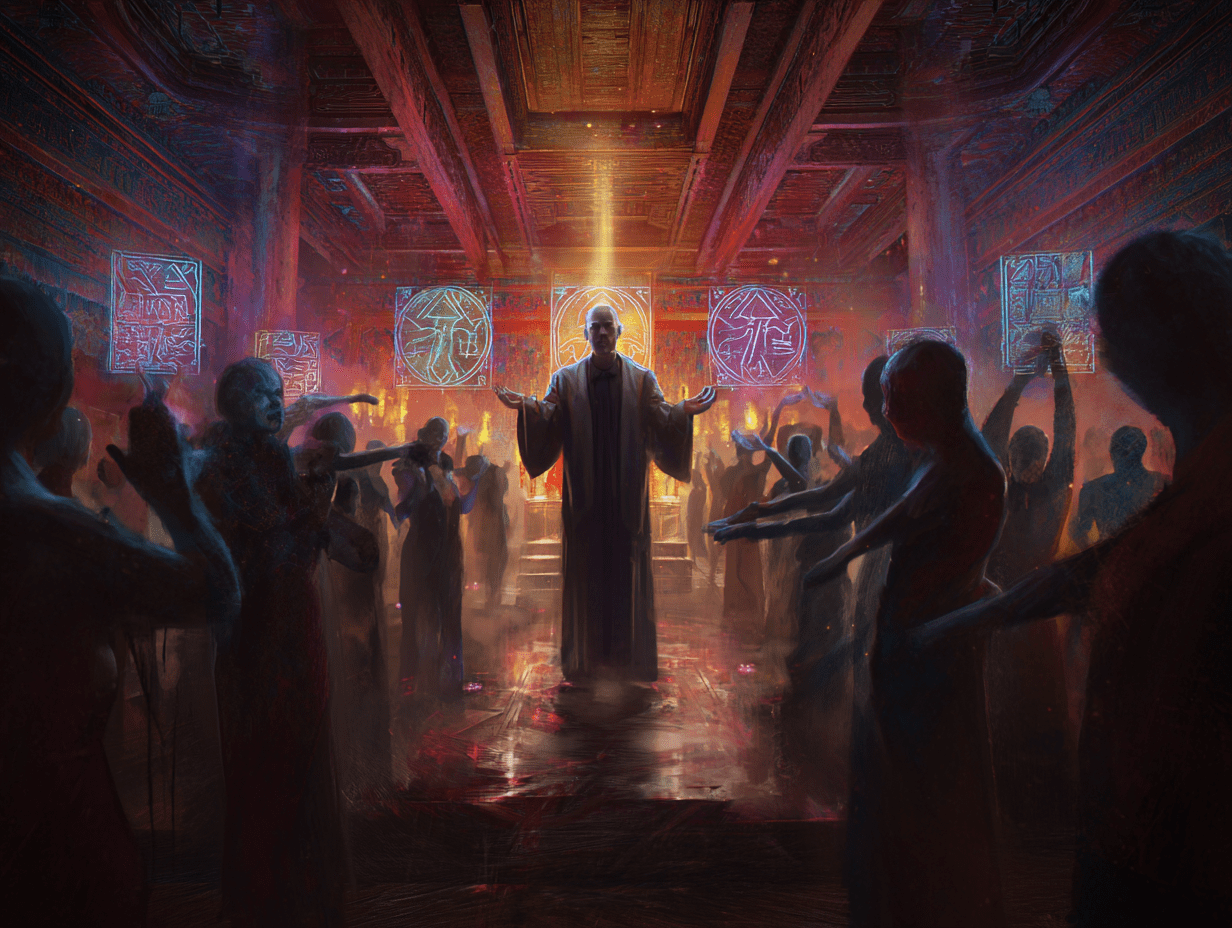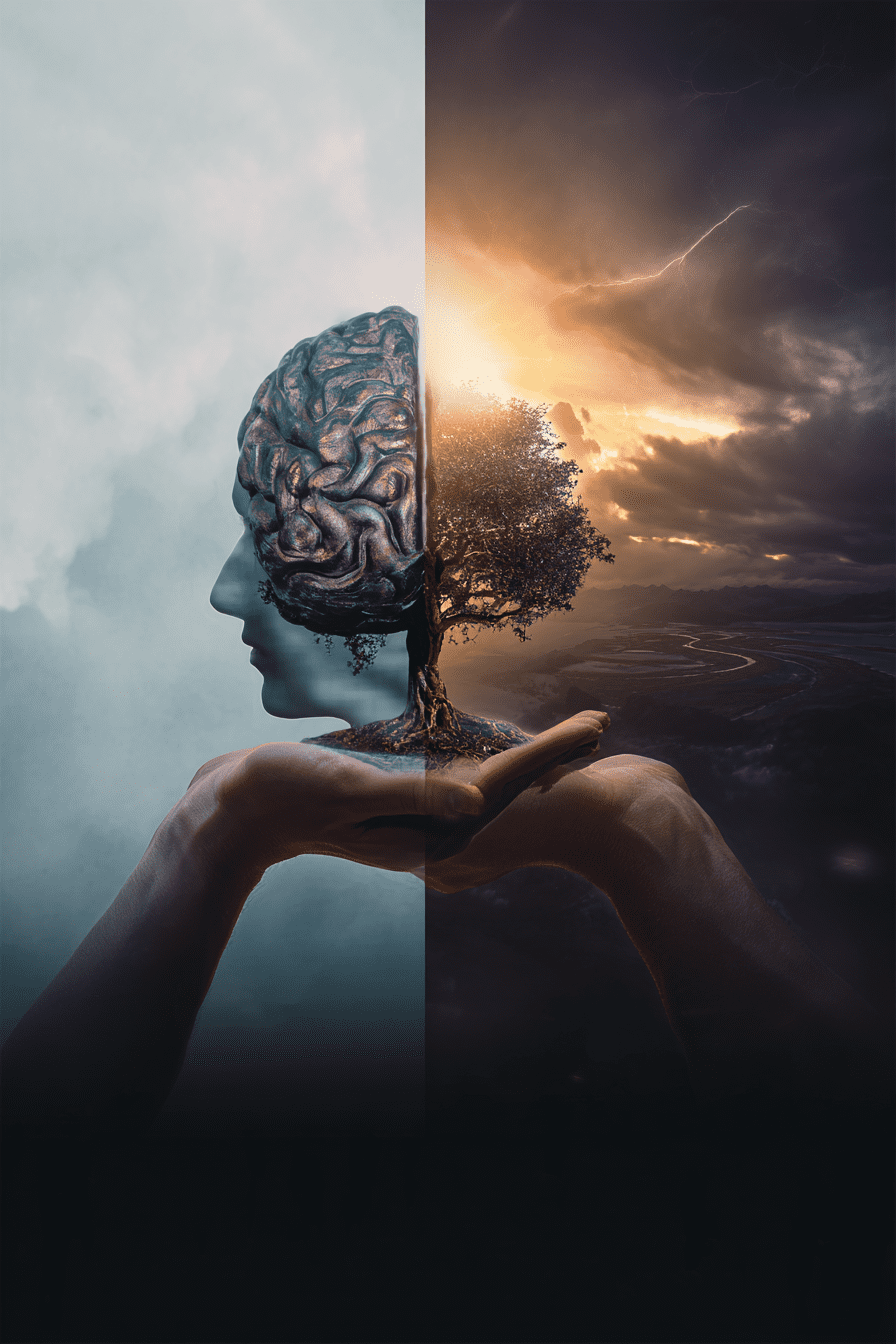

For me, spirituality is everyday, normal life. It’s consciously living each day in harmony with my own values. It’s solving big and small problems daily, managing family and professional life, but also enjoying various pleasures—always in line with my values, which spirituality helps me discover.
For me, spirituality is also about building deeper, more empathetic relationships with people. It’s also about helping others. But it’s also about connecting with nature and recognizing that we are a part of it. At the same time, it’s about working to make our earthly world a better place.
Spirituality, for me, is not the ultimate meaning of life, my existence, or my purpose. Instead, it’s a way to explore and reflect on the meaning of life and my role in the world. It’s about understanding what truly matters—to me, my life, and the people around me.
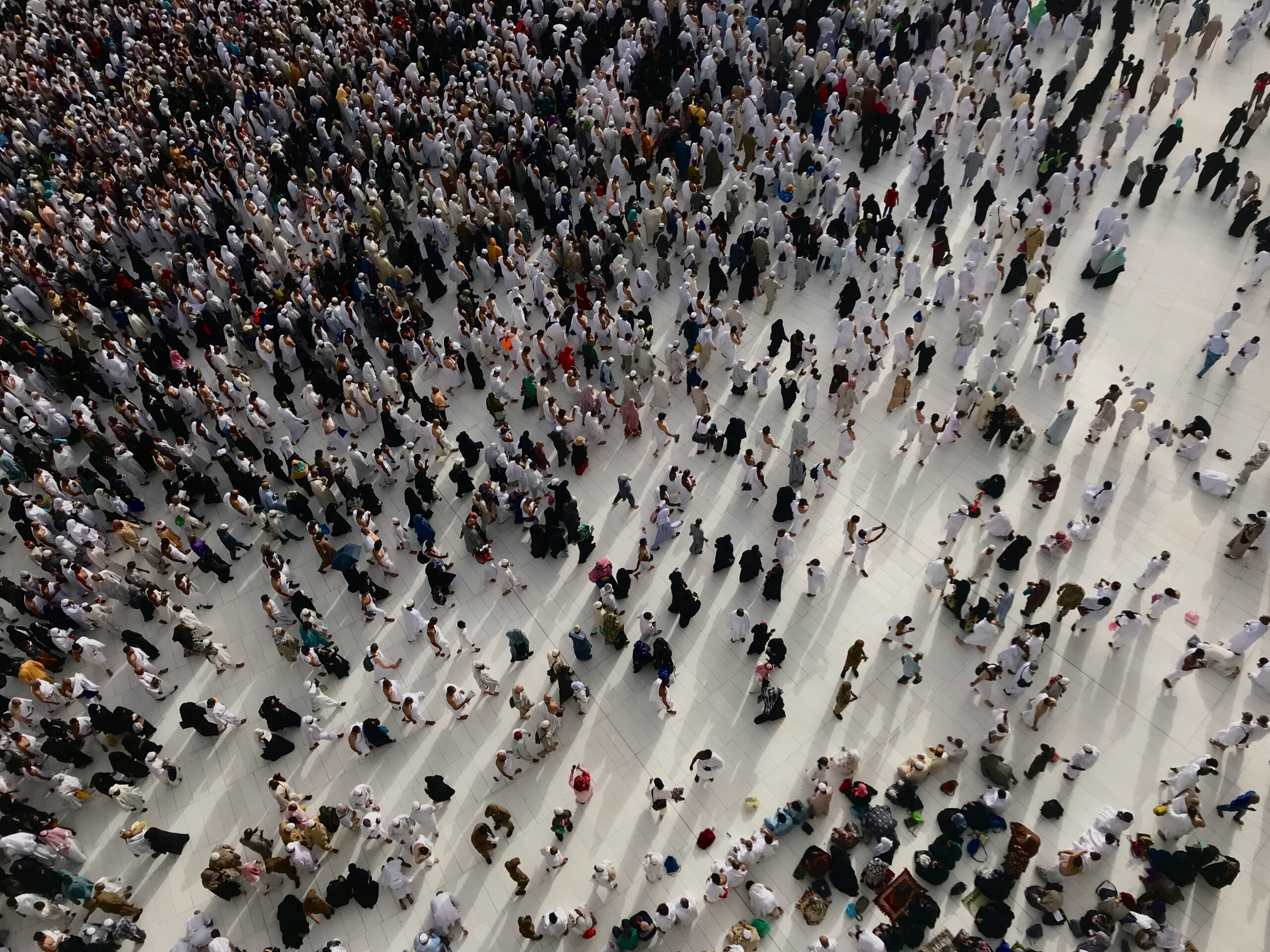
At the same time, it’s also worth asking yourself whether spirituality is helping you grow or pulling you away from what truly matters. If spiritual practices—like frequent pilgrimages or rituals—begin to overshadow your responsibilities, such as spending time with your family or being present for loved ones, it might be time to pause and reflect. Spirituality should connect you to the world around you, not isolate you from it. It’s about finding meaning in your actions and relationships, not using it as an escape from them.
This reflection naturally leads to a question: How can I serve the world—perhaps just locally, or maybe only my family? But again, spirituality is not about endless contemplation at the expense of action.
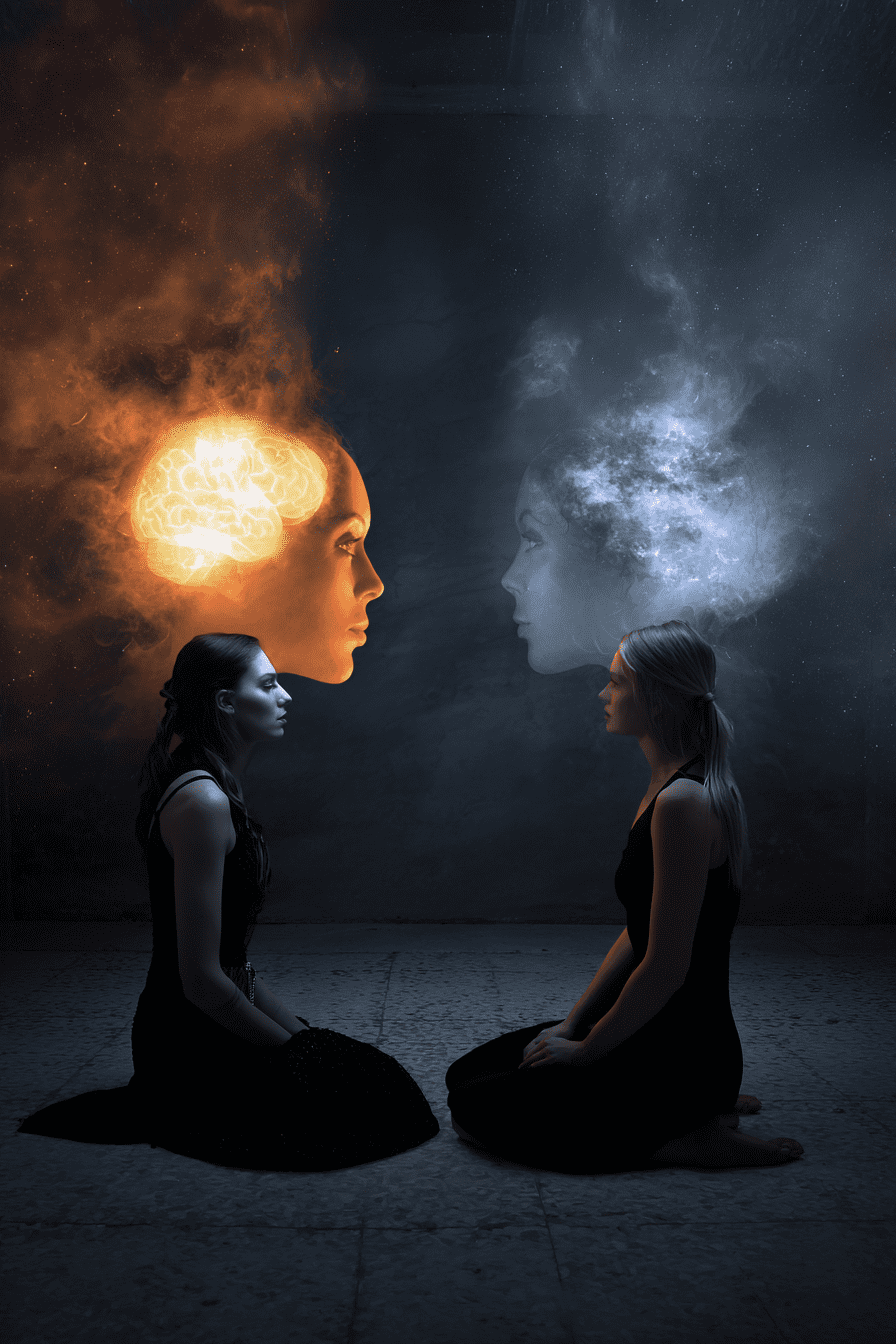
Spirituality, for me, is something personal but also shared. At least according to what I believe, what I’m more convinced of—at least today—it’s the existence of something that connects us, like the theory of universal consciousness, as described by Amit Goswami. Whether it’s God, or God is somewhere else, it doesn’t matter. (I explore this more in my post: Do I Believe in God?)
Getting back to the point, spirituality, for me, is something personal because I believe that each of us has a soul, and everyone must discover it individually. It’s in the soul that I need to look for meaning, inspiration for my life, and answers on how to make decisions in harmony with myself. (For more on this, see: 8 Billion Souls, 8 Billion Paths)
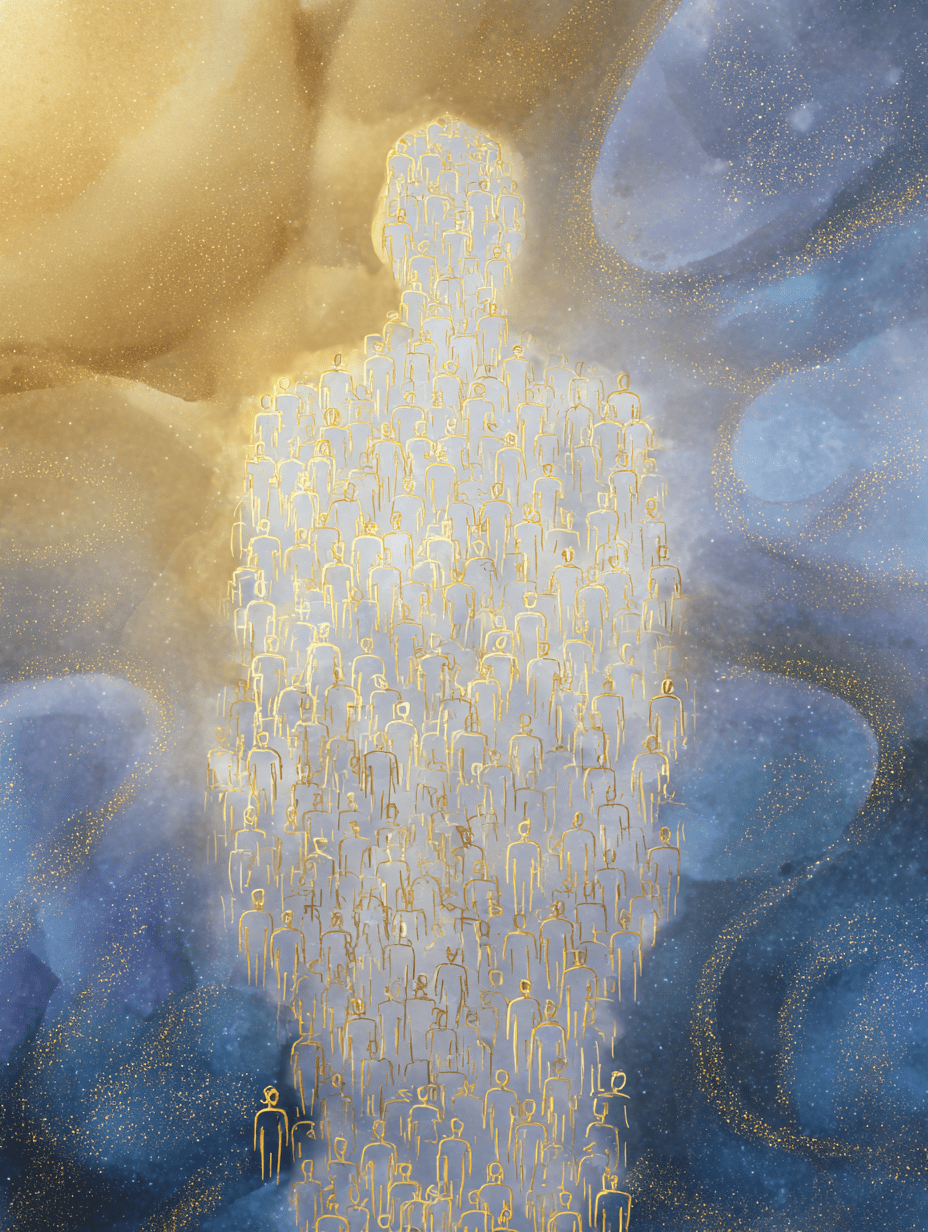
Spirituality, for me, is also something shared because there are universal values. I believe that, on some level, we are all one, and we all have a common universal goal—to live life in the best possible way, guided by universal values and the meaning given to us by our soul.
For me, spirituality isn’t something you put on display for others. It’s not about empty words or declarations—it’s about actions. Of course, words have weight too; they can build or destroy, but action is what matters most to me. I think true spirituality plays out in our daily choices, in turning reflection and intention into concrete decisions and attitudes. It’s the ability to pause and ask myself: are my actions and thoughts aligned with my values? Do my life and relationships bring goodness, empathy, and respect?
Spirituality is not about escaping into fantasies or using religion as a way to pray for something for yourself or even for someone else. It is, above all, about facing life as it is. Prayer—whether it’s the classic kind or just a simple inner conversation, more of a reflection—won’t solve our problems or improve our lives on its own. It can give us strength, hope, and calm us down. It might even suggest a solution by sparking our creativity. That’s all it is, and that’s a lot—and in my opinion, that is precisely its role. What we gain from this conversation with God or our own soul, we must turn into action and face life’s challenges.
In a similar way, other inner tools, like imagination, can play a significant role in our spiritual journey.
Imagination plays a similar role in spirituality—it can be a powerful ally when used to visualize goals, foster empathy, or explore deeper truths. However, as I discussed in “Fantasy vs. Spirituality: How to Stay True to Your Path” imagination becomes a hindrance when it leads us away from reality. Healthy spirituality uses imagination as a tool to inspire action and growth, not as a means to escape the challenges of daily life.
For me, spirituality is not a chase after trendy practices or “spiritual gadgets”; it’s not about superficiality or acting for show. Spirituality is not about collecting experiences, but about the authenticity of living them.
Spirituality is not a daily search for whether God exists, what or who He is, or what form He takes, because then, in my view, spirituality can turn into a mere facade. There’s nothing wrong with asking such questions; I ask them myself. But for me, that’s more like philosophy. I don’t do it in place of daily life or spirituality, but as a hobby, in my free time, or for the purpose of writing my blog—but not as a substitute for life and spirituality.
For me, spirituality grows from universal values that transcend cultural, religious, or ideological boundaries. In my reflections, I often repeat that the key is a fundamental principle: do not do to others what you would not want done to you. Empathy, compassion, respect for others, for nature, and for oneself—these are the values I try to live by every day. Reflecting on my own intentions—whether I make decisions out of a desire to create good, rather than from greed, anger, or revenge—is just as important to me as reflecting on the meaning of existence. The intention with which I act gives meaning to even the smallest things.
For me, spirituality isn’t about sorting people by their religion, or into believers and non-believers, better and worse. It is something common, beyond religion. I believe that religion is a form, just as there are different meditation techniques. One person uses one, another uses a different one. Each of us, depending on many factors, seeks spirituality within a system that suits us. In the end, what matters is whether we can be good, honest, and present for others—not for applause or personal glory, but from a genuine need of the heart.
This is how I understand spirituality—not as a distant idea or ritual, but as a daily practice of respect, empathy, and engagement in the life that is happening right here, right now.
P.S. These reflections are the result of my everyday thoughts, not a step-by-step breakdown of my spiritual journey, which I shared in another article. I’ve made, I make, and I’m sure I’ll keep making plenty of mistakes along the way—but these are my thoughts on what the path should look like and what I hope my own path will be.
If you’d like to know more about my personal journey with spirituality, I invite you to read another of my posts: What Spirituality Means to Me: A Journey of Self-Discovery and Growth.
If my writing has inspired or helped you, I would be grateful for your support.
Need support yourself? Discover how I can help you.
AI Disclosure
I see my thoughts as the essence, much like the soul, and AI helps me give them form. It supports me with research, translation, and organizing ideas, but every perspective is my own. Curious how I use AI? Read more here.