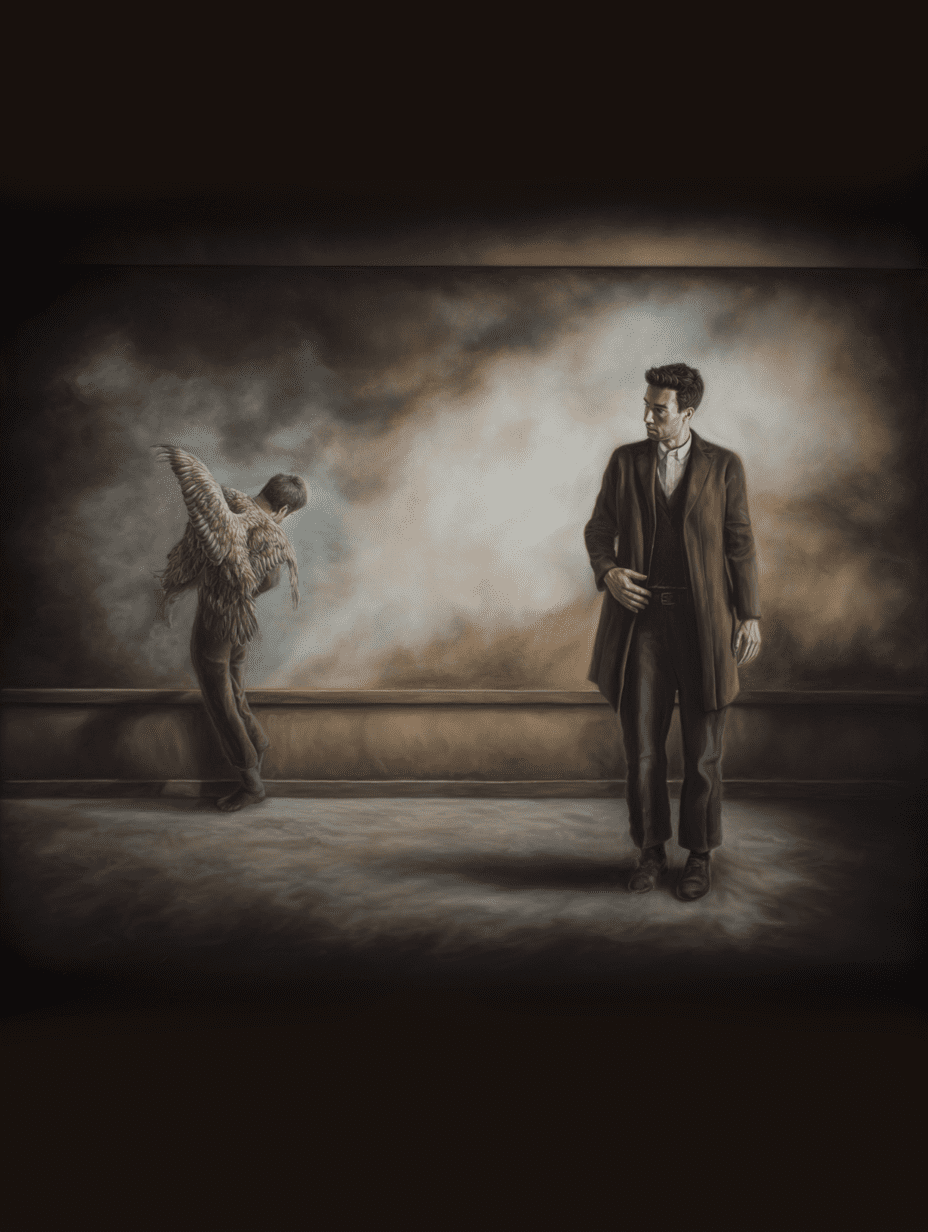
Lately, I’ve been asking myself a question that feels both ancient and deeply personal: Am I the prodigal son?
It’s a story many of us know. The son who leaves, squanders everything, hits rock bottom, and then returns, hoping just to be a servant, only to be welcomed back as a son. But when I look at my own life, at my own departure from the faith I was raised in, I wonder—is it really that simple? Is returning to God the same as returning to the religion I left behind?
Why I Turned Away
I’ve spent a lot of time thinking about why I turned away in the first place. It wasn’t a sudden decision, but a slow erosion. Primarily, I turned away from the Church—the institution itself.
It felt like I was constantly seeing hypocrisy. I saw people who claimed to be believers acting in ways that seemed to contradict everything they preached. But then, a voice in my head argues: Should I really define my faith through the prism of other people’s faith? Isn’t that unfair?
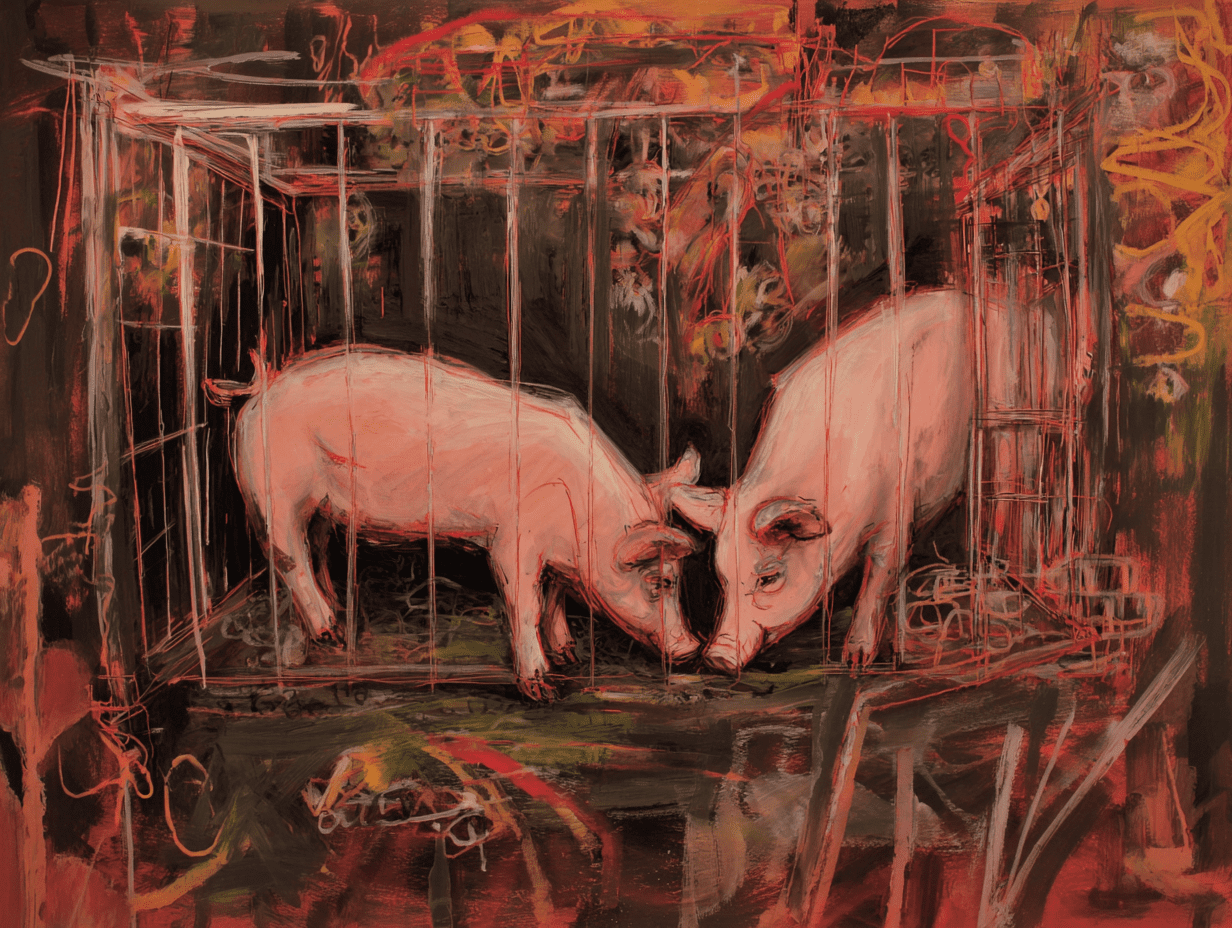
Maybe it wasn’t just individuals. It was the pathology of the institution. The sex scandals, the pedophilia crises that shook the foundations of trust. Sure, every group has black sheep. But what hurt the most was how the institution often protected those black sheep, sweeping crimes under the rug, silencing victims, and moving problem priests to new parishes instead of seeking justice. It felt like a betrayal of the most vulnerable.
Then there was the politics. It felt like the Church was becoming a political annex, and conversely, politicians were using the Church for their own ends. I remember moments where I expected a strong moral voice from the pulpit, from bishops, or even Popes, condemning evil unequivocally, and instead, I often heard silence or diplomatic evasions. Maybe these were isolated incidents, but they piled up.
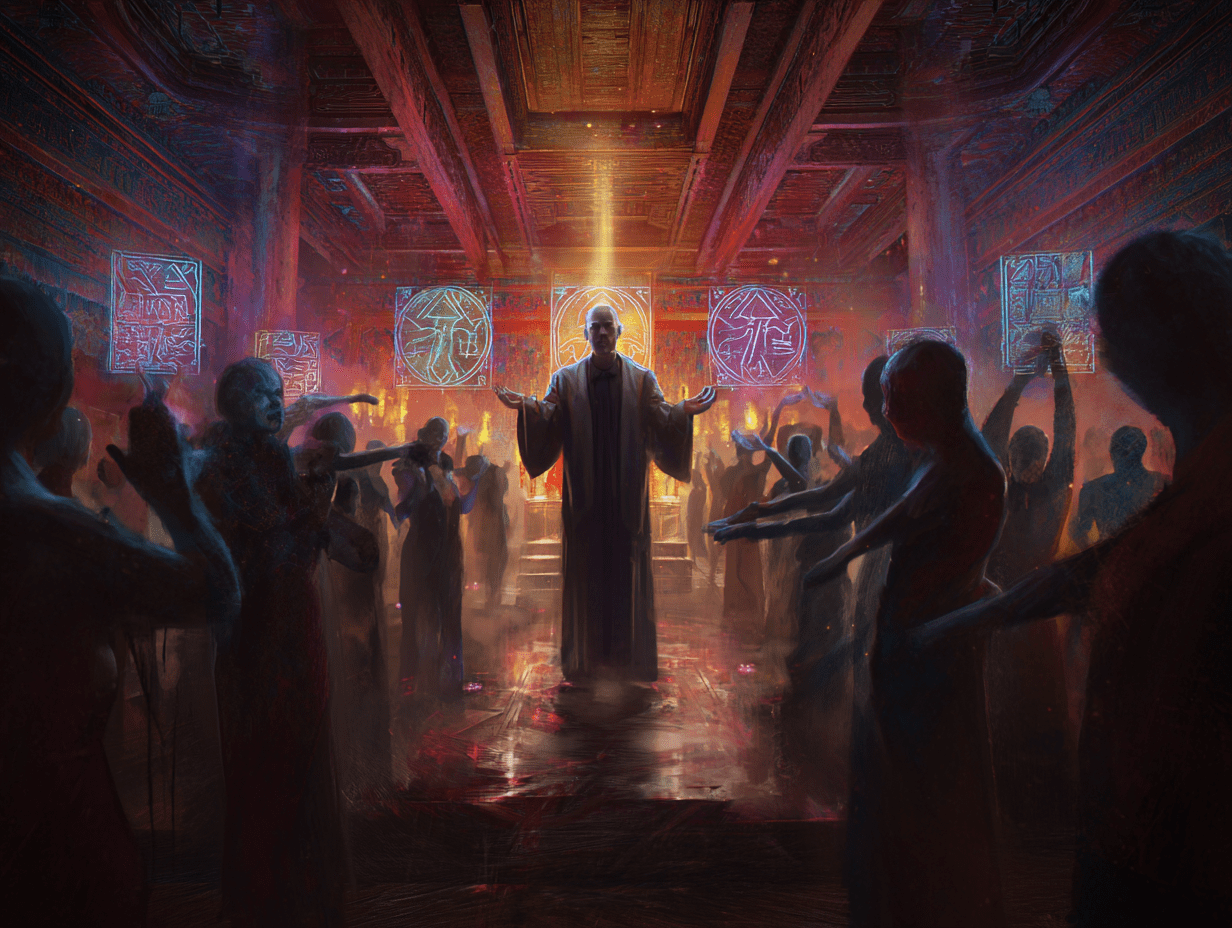
Add to that the rituals. Over time, the symbols and ceremonies that were supposed to be profound started to feel like empty words to me. I stopped believing in the institution as a vessel for the divine. It was probably a mix of all these things—the hypocrisy, the scandals, the politics, and the hollowness of the ritual—that finally pushed me away.
The Silence of God in Crisis
There were moments of weakness during those years away when I did turn to God. I called out, hoping for a lifeline. But I didn’t feel Him helping me. I didn’t feel anything.
Looking back, I realize my approach was transactional. I wanted Him to fix something, to make a problem go away. It wasn’t until I stopped asking Him to “do” something and started asking Him to “show” me the way that things shifted.
That was the turning point. I stopped looking for miracles and started looking for values. I began to discover the power of intention and mindfulness. I started looking deeper, exploring other religions, and expanding my search into science, particularly quantum physics, inspired by thinkers like Amit Goswami.
When I shifted my focus from “save me” to “guide me,” I finally felt something. I felt a presence. I realized that finding God wasn’t about returning to a specific building; it was about returning to values.
What Does It Mean to Return?
In the Christian tradition, the Prodigal Son is a story of mercy. No matter how far you go, the Father is waiting. The Catholic Church even speaks of the “dark night of the soul,” acknowledging that crises of faith are often part of spiritual growth, not just failure.
But looking wider, I see this pattern everywhere.
In Islam, God is the Most Merciful. The Quran reminds us not to lose hope in His mercy, that turning back is an act of humility.
In Judaism, there is the concept of Teshuvah—returning. It’s not just about saying sorry; it’s a dynamic process of fixing what is broken and reorienting yourself toward the divine.
Even in Buddhism, which doesn’t speak of a personal God, a spiritual crisis is seen as an opportunity to break through illusions and understand the nature of suffering and reality deeper.
In Hinduism, there are many paths (yogas) to the divine. If one path becomes blocked or meaningless to you, it doesn’t mean the destination is gone; it just means you might need a different path, be it through knowledge, devotion, or action.
Am I the Prodigal Son?
So, am I the prodigal son? Maybe. But does the label really matter?
I used to think that returning meant going back to the exact same pew, reciting the exact same prayers, and believing exactly what I was told to believe. Now, I see it differently.
Every moment is a good moment to seek God. But for me, “seeking” means searching for my own spirituality, my own path to get closer to the Source. I haven’t found my way back through dogmas or institutions. I found it through values.
For me, values are the key. Learning them, understanding them, and implementing them in my life is my form of prayer. Honesty, compassion, love, truth—these aren’t just abstract concepts; they are the footprints of God in the real world.
Perhaps I am a prodigal son, but I haven’t returned to the house I left. I’ve returned to the Father, but we are meeting in a different place—in the open field of consciousness, values, and personal truth.
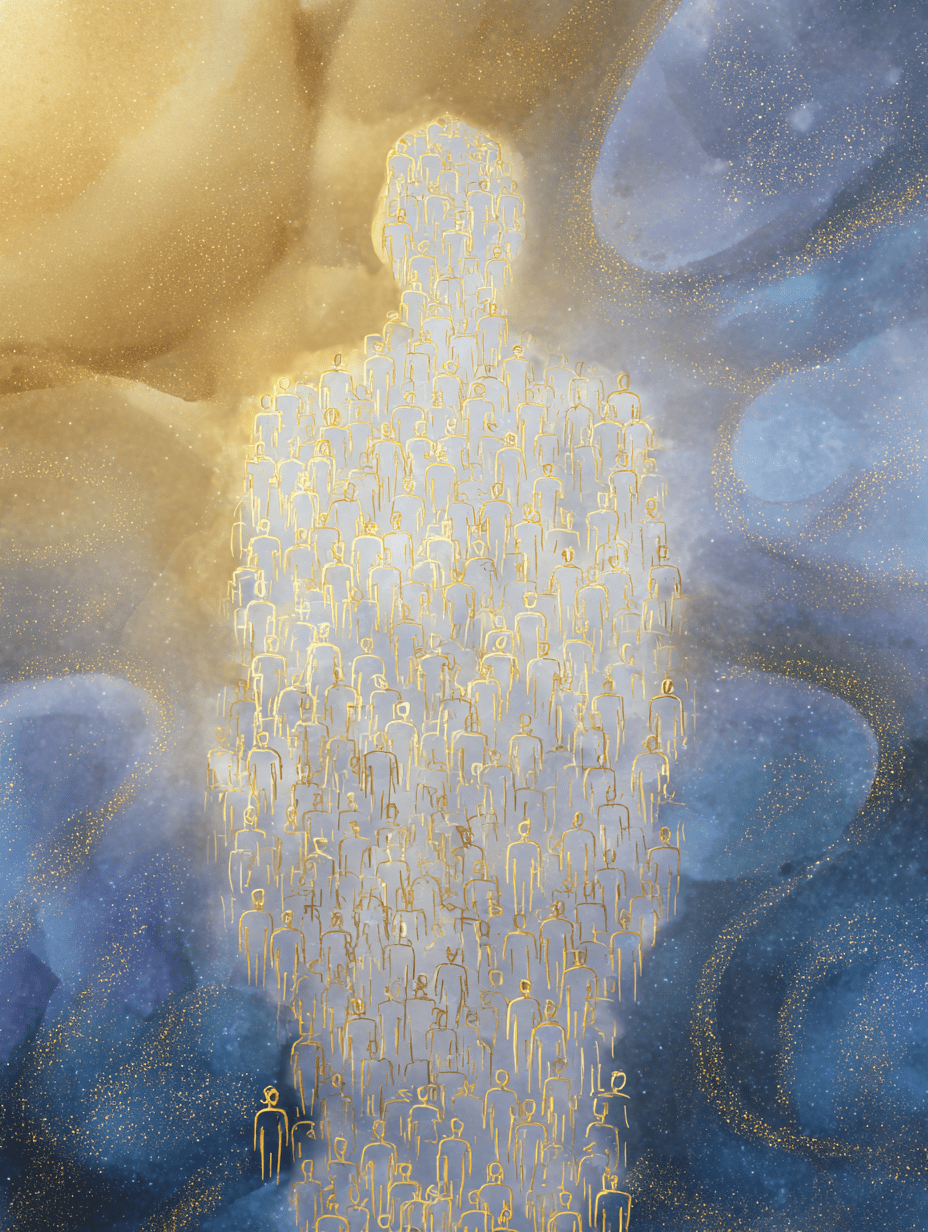
As I wrote in my reflections on being your own guru, and seeing 8 billion paths for 8 billion souls, spirituality is unique for everyone. My crisis wasn’t an end; it was a necessary detour to find a faith that was truly mine, not just something I inherited.
If you are in a crisis of faith, feeling lost, or angry at the institution, know this: You are not alone. And perhaps, you aren’t leaving God. God is always in you. You might just be leaving the box people tried to put Him in.
If my writing has inspired or helped you, I would be grateful for your support.
Need support yourself? Discover how I can help you.
AI Disclosure
I see my thoughts as the essence, much like the soul, and AI helps me give them form. It supports me with research, translation, and organizing ideas, but every perspective is my own. Curious how I use AI? Read more here.