Why Compassion Matters More Than Ever
“My true religion is kindness.”
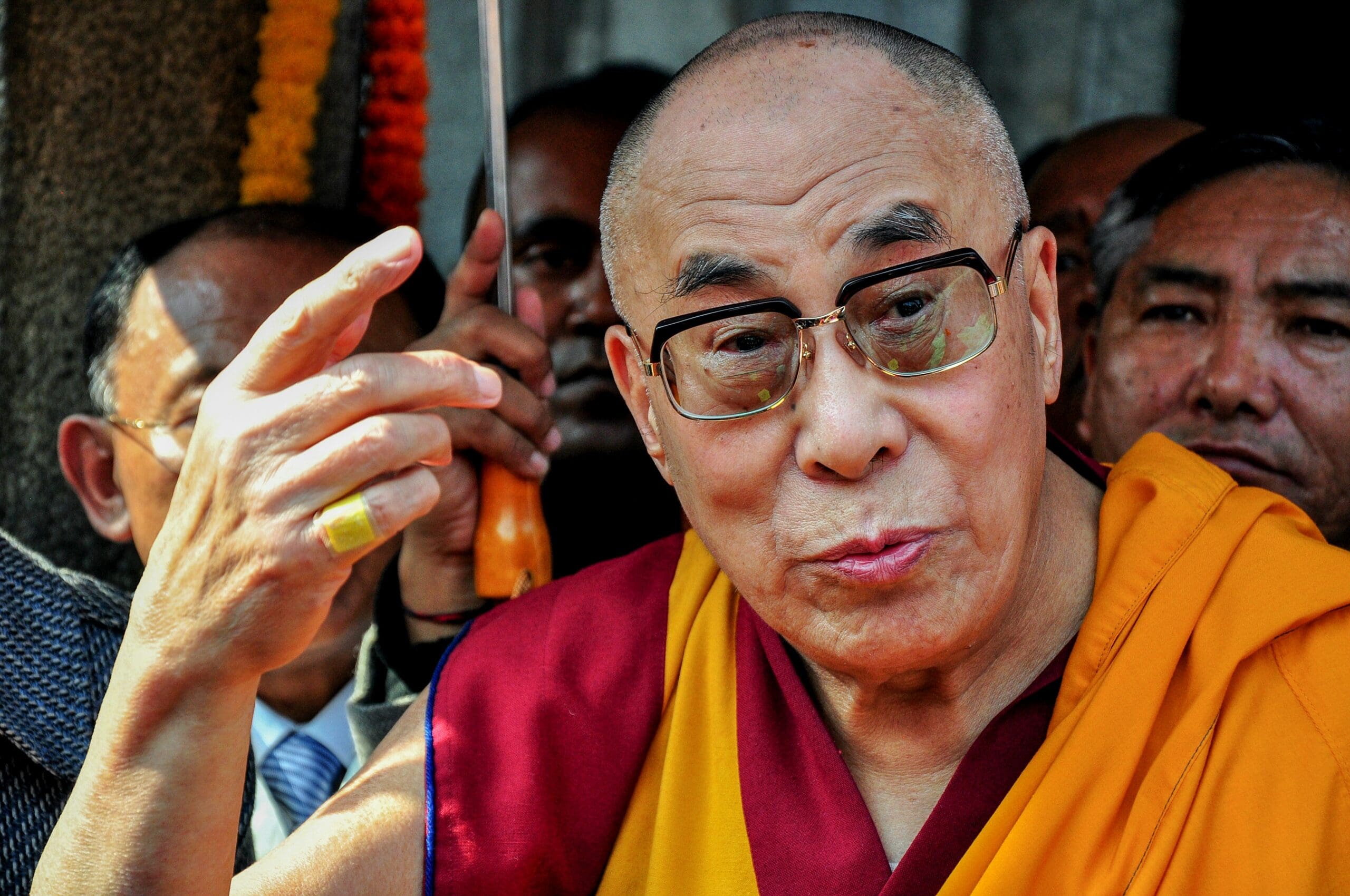
These simple words from the Dalai Lama resonate with me every time I read them. In a world that feels increasingly divided, where debates turn into shouting matches and differences build walls, the idea of kindness as the ultimate truth feels radical. And yet, the more I look at the reality around me, the more I believe that this is exactly what we need. How can we find a common language when polarized narratives pull us in opposite directions?
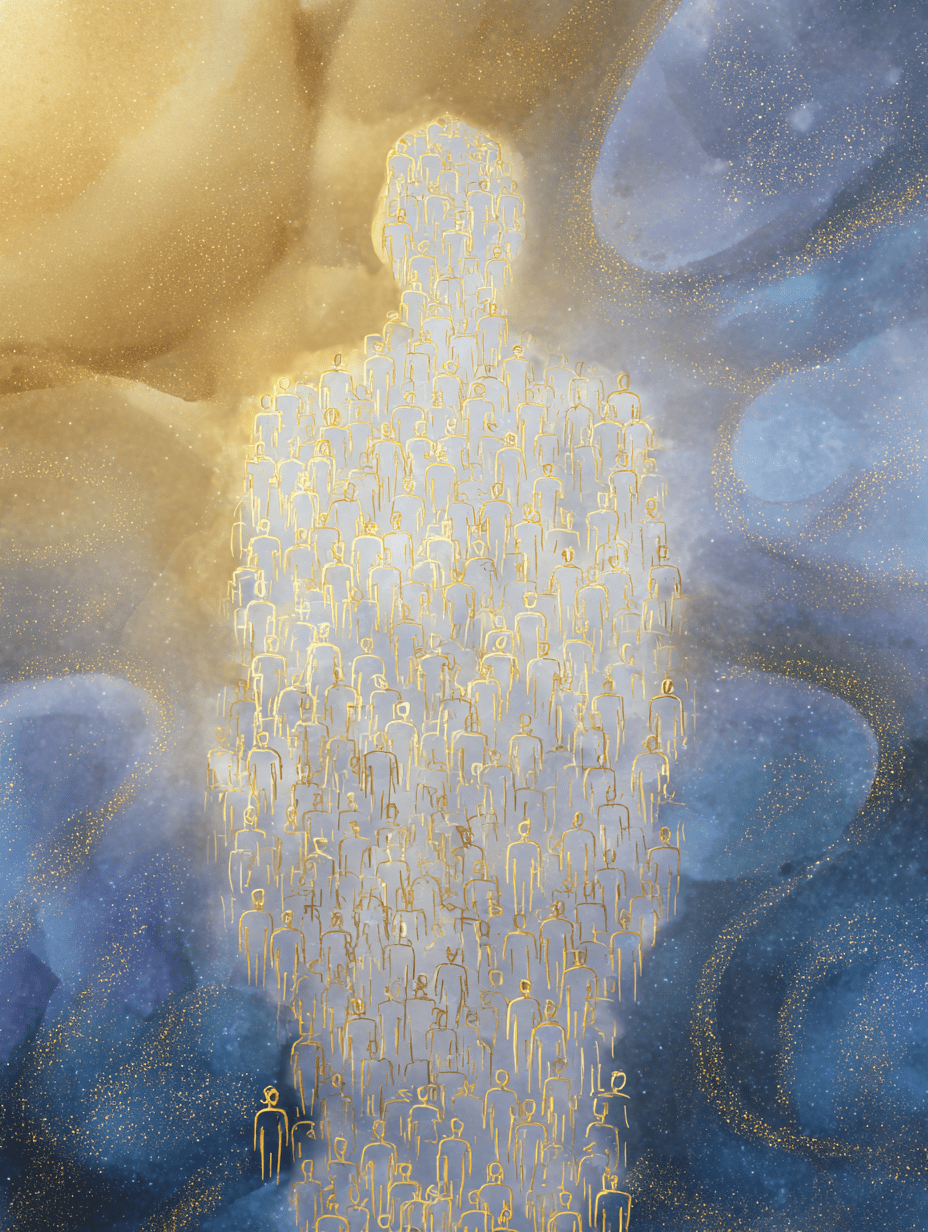
It seems to me that the answer lies in compassion. It’s not about sentimental pity, but a brave attempt to understand another human being—even when, or perhaps especially when, we disagree with them. In the “Inspiring Souls” series, I often write about people whose lives and choices changed the world around them. When I think of Desmond Tutu or the Dalai Lama, I clearly see how much they have in common. Both proved that compassion and joy can be real tools for social change—even in the face of division and suffering. Their stories show that these values aren’t weaknesses, but sources of strength that allow us to heal wounds, build bridges, and inspire others to stand on the side of good. Just as Tutu showed in his friendship with the Dalai Lama that joy can be a form of spiritual resistance, the Dalai Lama teaches that compassion is the most powerful tool for building bridges. It’s not a passive stance, but an active, conscious choice that has the power to heal not just relationships, but entire societies.
The Dalai Lama’s Philosophy: Compassion as Universal Responsibility
“Love and compassion are necessities, not luxuries. Without them, humanity cannot survive.”
When I dive into the Dalai Lama’s teachings, I’m struck by his consistency in emphasizing the idea of “universal responsibility.” For me, this concept goes beyond religious dogma and becomes a practical philosophy of life. The Dalai Lama suggests that we are all connected—our happiness and suffering are dependent on each other, no matter how much we try to fence ourselves off. Therefore, caring for the well-being of others isn’t an act of altruism, but a fundamental part of caring for our own well-being.
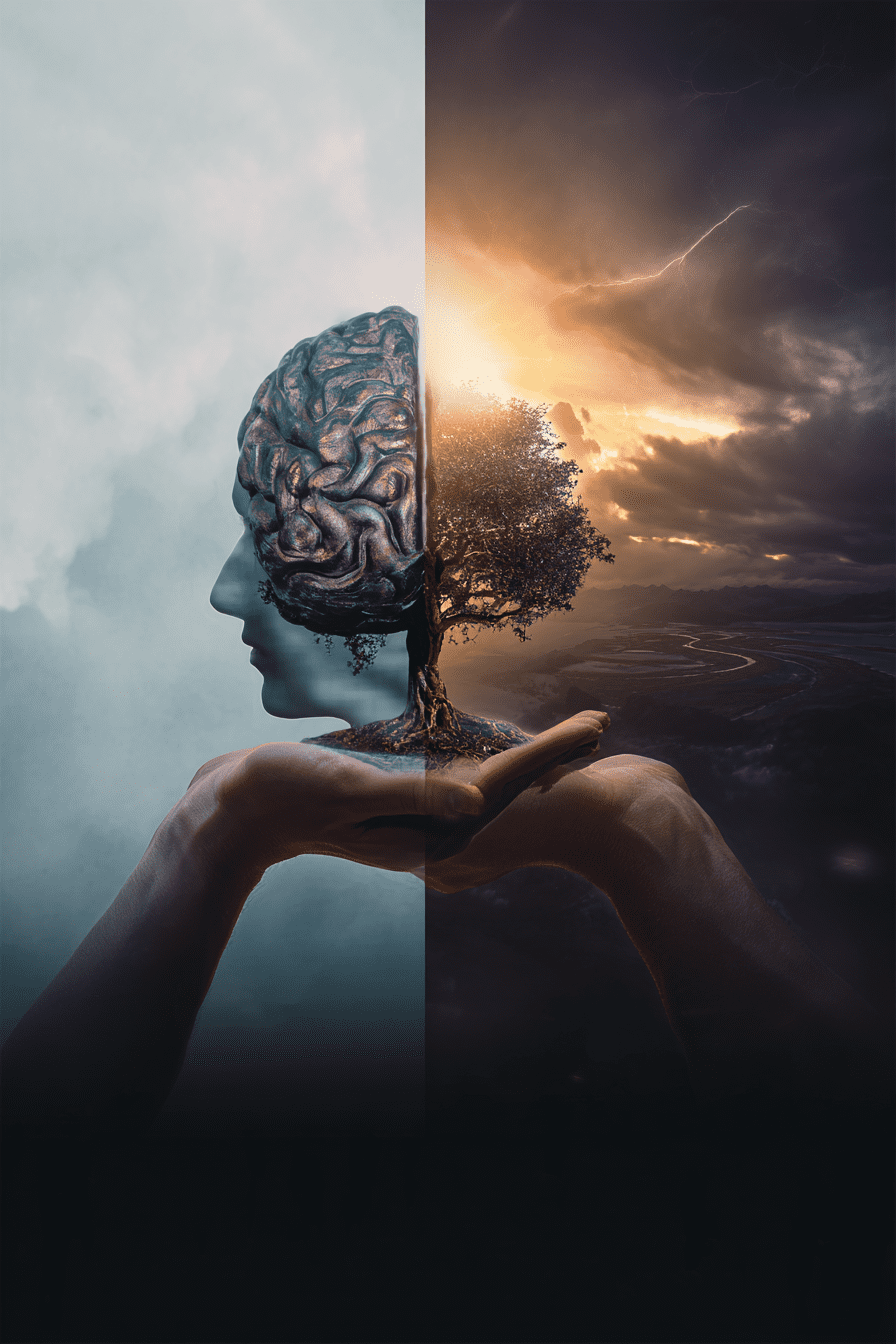
I imagine that this perspective changes everything. Instead of asking “What’s in it for me?”, we start thinking: “How will my action affect others?”. This approach reminds me of the teachings of Mahatma Gandhi, whom I wrote about in the article “When the Fight for Peace Begins Within.” He also believed that true social change must begin with inner transformation. Compassion in the Dalai Lama’s view is exactly that kind of transformation—a conscious shift of attention from “I” to “we.” It’s the understanding that in a world where problems like climate change, pandemics, or economic crises know no borders, our survival depends on our ability to cooperate and care for one another.
The Dalai Lama’s Path: A Story of Resilience and True Leadership
“Happiness is not something ready made. It comes from your own actions.”
The story of the Dalai Lama’s life is moving proof to me that even the greatest suffering can be turned into strength. I imagine a young boy suddenly burdened with enormous responsibility as the spiritual leader of his people. Before he even has a chance to fully grow up, he experiences the pain of losing his home, security, and his own freedom. The exile he endured as a result of the brutal invasion of Tibet not only took his country away but also forced him to grow up under the weight of caring for millions of others sharing the same fate. His escape from Tibet in 1959 could have been the end. He could have sunk into grief, hatred, and a desire for revenge. Instead, he chose a different path.
This moment in his biography strikes me the most. Like Nelson Mandela, who turned his suffering in prison into a philosophy of forgiveness, the Dalai Lama did not become a victim in exile, but a global ambassador for peace. Instead of focusing on loss, he began to build. He established a government in exile, created schools and monasteries to save Tibetan culture, and above all—tirelessly traveled the world, carrying a message of compassion and dialogue. His life became a living example that our reaction to adversity defines us much more than the adversity itself. It’s a powerful lesson that shows it’s not circumstances, but our internal attitude that decides who we become.
The Dalai Lama’s Early Journey: Reincarnation and Responsibility
The story of the Dalai Lama begins with a profound spiritual tradition rooted in Tibetan Buddhism: the belief in reincarnation. At just 2 years old, Tenzin Gyatso was recognized as the 14th Dalai Lama, believed to be the reincarnation of his predecessor, the 13th Dalai Lama. This recognition came after a series of spiritual tests and signs, a process that continues to fascinate people worldwide. For those unfamiliar with the concept, reincarnation in Tibetan Buddhism is deeply tied to the idea of karma and the continuation of a soul’s journey to serve others.
By the age of 15, in 1950, the Dalai Lama officially assumed his role as the spiritual and political leader of Tibet. This was no ordinary coming-of-age story. He was thrust into leadership during one of the most turbulent times in Tibetan history, as China began its invasion. Imagine the weight of such responsibility on someone so young—leading a nation while still navigating his own path as a teenager.
This early chapter of his life is a testament to the Dalai Lama’s resilience and the spiritual foundation that guided him. It also ties into the broader themes of karma and universal responsibility, which are central to his teachings. His journey reminds us that leadership is not about age or experience but about the courage to serve others selflessly.
If you’re curious about the spiritual aspects of reincarnation and karma, I’ve explored these topics in more depth in my article, “Reincarnation and Karma: Do We Choose Our Lives?”. It’s fascinating to see how these beliefs shape not only the Dalai Lama’s life but also his philosophy of compassion and interconnectedness.
Compassion in Practice: How the Dalai Lama Inspires Action
Imagine a daily situation: instead of immediately reacting with anger to a critical remark or tension in a conversation, you try first to understand what the other person really wants to convey, what emotions are hiding behind their words. This single act of empathy—listening carefully to someone’s needs—is the first step to building bridges, not walls. Any of us can try this attitude today, at work, at home, or at the store, and see how the atmosphere around us changes.
“If you want others to be happy, practice compassion. If you want to be happy, practice compassion.”
What I value most in the Dalai Lama’s teachings is their practical dimension. It’s not a philosophy locked within monastery walls, but a living call to action. He himself is the best example of this. He tirelessly promotes interreligious dialogue, believing that all great spiritual traditions lead to the same goal—cultivating love and compassion. He supports educational programs teaching children empathy and emotional intelligence. He loudly speaks up for human rights and environmental protection.
It seems to me that his approach is very similar to what we saw with Mother Teresa, who showed that “small things with great love” have immense power. The Dalai Lama teaches us that we don’t have to be global leaders to change the world. We can start here and now, in our own lives. How?
- Listening with attention: Instead of preparing an answer, let’s try to really hear what the other person is saying, especially when we disagree with them.
- Practicing small acts of kindness: A smile to a stranger, help for a neighbor, holding back a judgmental comment—these are small drops that build an ocean of compassion.
- Educating ourselves: Instead of relying on stereotypes, let’s try to understand the perspective of people from other cultures, with other views or experiences.
I believe that compassion is a skill that can be trained. Every conscious choice of empathy over judgment, kindness over anger, is a step toward the world the Dalai Lama speaks of.
Joy as a Spiritual Weapon: The Friendship of the Dalai Lama and Desmond Tutu
Their friendship shows me that even in the face of the greatest difficulties, one can find joy that becomes a source of strength and resilience. Both proved that authentic laughter and sharing happiness can be not just a personal escape from suffering, but also a powerful tool for building lasting bonds and surviving in a world full of challenges. For me, it’s a beautiful reminder that joy—cultivated every day, even in sadness—really can break down barriers and make us more human.
When I think of the Dalai Lama, I almost immediately see his smile—wide, sincere, infectious. It’s the smile of a man who has lived through enormous loss and encounters the world’s suffering every day. How is that possible? The answer, I think, lies in his extraordinary friendship with Archbishop Desmond Tutu, which they described in The Book of Joy.
I was touched by how these two great spiritual leaders, coming from such different traditions, agreed that joy isn’t a luxury, but a necessity. It’s not ignoring pain, but finding the strength to face it. Their meetings, full of laughter and teasing each other, show that spirituality doesn’t have to be deadly serious. Joy, like poetry for Rumi, whom I wrote about, becomes a way to connect deeper with others and with oneself. It is a form of spiritual resistance against despair. The Dalai Lama often repeats: “The purpose of our lives is to be happy.” This simple sentence has revolutionary power. It reminds us that caring for our own happiness isn’t selfishness, but a duty, because only happy and internally integrated people have the strength to effectively help others.
Lessons for Today: How Compassion Can Change the World
“Our prime purpose in this life is to help others. And if you can’t help them, at least don’t hurt them.”
In these times, when social media algorithms seem to deepen divides, and public debate often boils down to tribal warfare, the Dalai Lama’s teachings are like a lighthouse. I believe that compassion is the only real antidote to polarization. When we start perceiving “others” not as enemies, but as human beings who, just like us, desire happiness and want to avoid suffering, the entire dynamic of conflict changes.
This approach also has huge significance in the context of global challenges. The Dalai Lama has been speaking for years about the necessity of caring for our planet, viewing it as the ultimate act of compassion toward future generations. It reminds me of the story of Malala Yousafzai, who also viewed her fight for education as action for a better future for everyone. Both the Dalai Lama and Malala teach us that empathy and responsibility must go beyond our immediate surroundings. Compassion isn’t just a feeling, it’s action—a conscious choice to care for the world we all share.
Conclusion: Compassion as a Bridge to a Better World
In closing, I encourage you—just as I encourage myself—to consciously choose at least one small gesture of compassion every day. It could be a smile, a kind word, listening, or a small but sincere act of help. Every such action, no matter how small it seems, has real power to change relationships, the environment, and ourselves. A better world starts with this.
“Be kind whenever possible. It is always possible.”
The history and teachings of the Dalai Lama aren’t just an inspiring story for me. They are a personal call to reflection and action. They show that at the heart of every conflict, every disagreement, and every suffering lies a lack of compassion. And if so, then cultivating it is the key to healing.
The Dalai Lama doesn’t offer magical solutions. Instead, he proposes a simple but demanding practice: start with yourself. Notice your thoughts, work on your anger, open your heart to others. Every gesture of kindness, every attempt to understand, every act of help builds a bridge where others build walls. His life is proof that the strength of one person, armed with compassion, can move the world. So maybe it’s worth asking yourself: How can I, today, in my small world, bring a little more compassion? Personally, I believe that our shared future depends on the answer to this question.
If my writing has inspired or helped you, I would be grateful for your support.
Need support yourself? Discover how I can help you.
AI Disclosure
I see my thoughts as the essence, much like the soul, and AI helps me give them form. It supports me with research, translation, and organizing ideas, but every perspective is my own. Curious how I use AI? Read more here.