“Whoever saves one life, saves the world entire.”
These words, from the Talmud and engraved on the ring given to Oskar Schindler by the people he saved, carry a weight that’s impossible to ignore. They are a reminder of the immense value of a single human life and how one act of courage can change the course of history.
When I think about Oskar Schindler, the paradox of his life strikes me. Here was a man who started as a profit-driven industrialist, someone who saw the war as an opportunity to get rich. He was a man who enjoyed the finer things in life, loved luxury, and didn’t shy away from alcohol or affairs. And yet, by the end of the war, he had risked everything—his fortune, his safety, and even his life—to save over 1,200 human lives.
How does such a transformation happen? What awakens a person’s soul to the point that they are willing to sacrifice everything for others, often for total strangers?
For me, Schindler’s story isn’t just about heroism; it’s, above all, a story of redemption. It’s about the possibility of change, even for those who seem least likely to embrace it. And it leads me to ask myself: What would I be willing to risk to save someone’s life? What about you?
Historical Background: Darkness Over Europe
To understand the weight of Schindler’s transformation, we must step back into one of the darkest chapters of human history: the Holocaust. It was a time when the Nazi regime systematically persecuted and murdered millions of Jews and other people deemed “undesirable.” It was a time when humanity seemed to have lost its moral compass, and acts of kindness were rare, dangerous, and often punished by death.
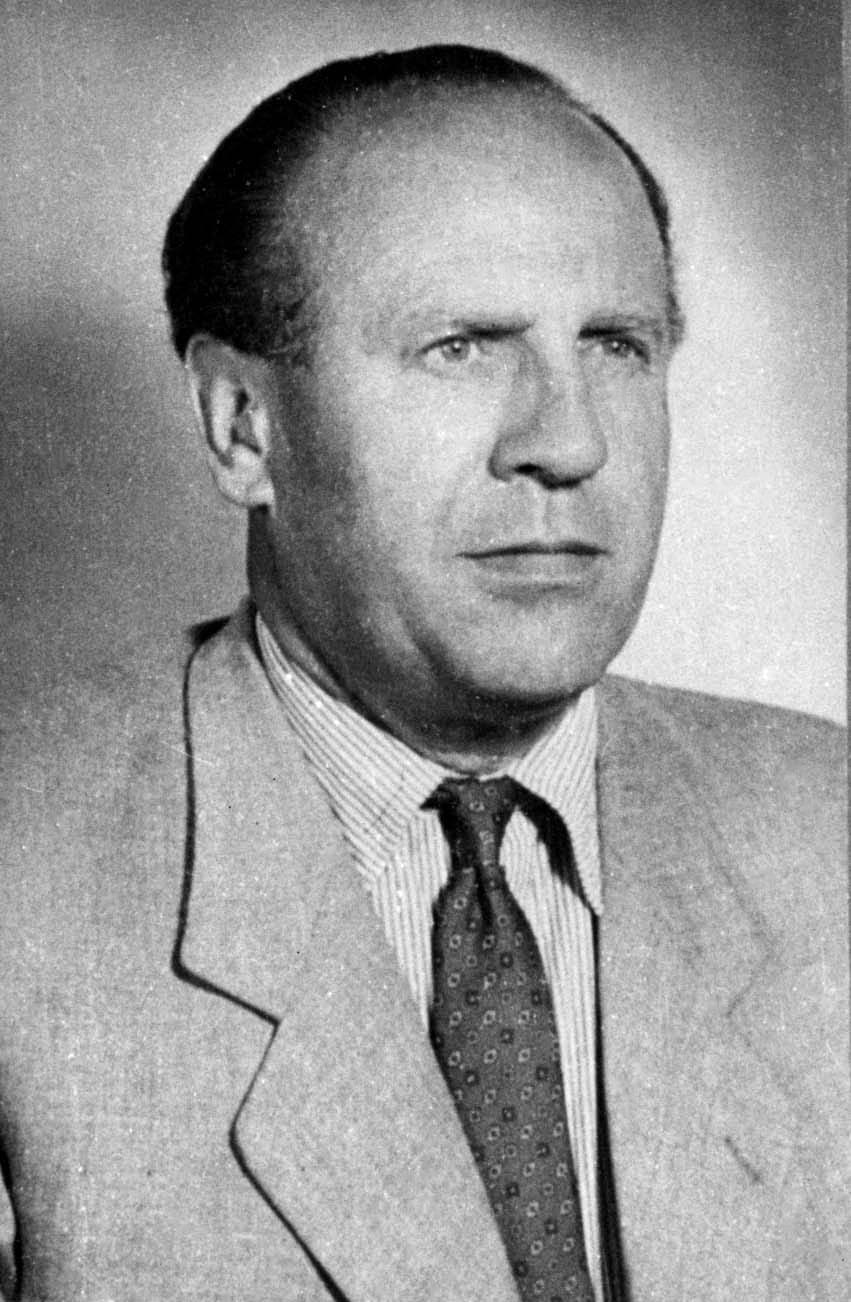
Oskar Schindler was not the type of person you’d expect to become a saint. Born in 1908 in what is now the Czech Republic, he was a member of the Nazi party and a spy for the Abwehr. When Germany occupied Poland in 1939, Schindler came to Kraków not to save the world, but to make money. He took over an enamelware factory (Deutsche Emailwarenfabrik), hiring Jewish workers because they were cheaper than Poles. In the beginning, his motivations were purely financial. A cold calculation.
However, as the war progressed, the atrocities of the Holocaust became impossible to ignore. The Jewish workers in his factory were no longer just cheap labor; they became people with names, faces, and stories, fighting for survival every single day. Schindler witnessed the liquidation of the Kraków ghetto in 1943. He saw the brutality on the streets, the fear in children’s eyes, the ruthlessness of the perpetrators. I imagine those images must have shaken him to his core. Did he feel anger? Helplessness? Or was it shame, for being part of the system that allowed this to happen?
These experiences planted a seed of change in him. A seed that slowly began to sprout in the heart of a cynical businessman.
Schindler’s Transformation: From Profit to Humanity
Schindler’s transformation from an opportunist to a savior didn’t happen overnight. It was a process, a gradual awakening of conscience. A key figure in this journey was Itzhak Stern, his Jewish accountant. Stern saw a spark of humanity hidden beneath Schindler’s layer of arrogance and encouraged him to use his position to help others.
The turning point was Schindler’s decision to protect his workers at all costs. His factory became a haven—an island of normalcy in a sea of madness. He used his charm, connections, and, above all, enormous bribes to shield “his Jews” from deportation to death camps. He falsified documents to make the elderly and children seem essential to the Reich’s war effort. He bought food and medicine on the black market.
When I think about this, it strikes me how easily he could have said “no.” He could have told himself, “My hands are tied. It’s not my fault. I have to look out for myself.” And no one would have blamed him—most people at that time looked away. But he chose differently. He chose to act, even though he knew he was walking on thin ice. Every day was a gamble for life—not only for his workers but for himself as well. The Gestapo was on his heels, and he was even arrested, but he always managed to get away.
One of the survivors, Poldek Pfefferberg, later said, “To us, he was God, our father, our protector.” Imagine the weight of that responsibility. Schindler didn’t have to take it upon himself, but he did. And in that action, he found a purpose greater than himself. He understood that the money he loved so much had value only when it could buy someone’s life.
The Power of One: When One Means Everything
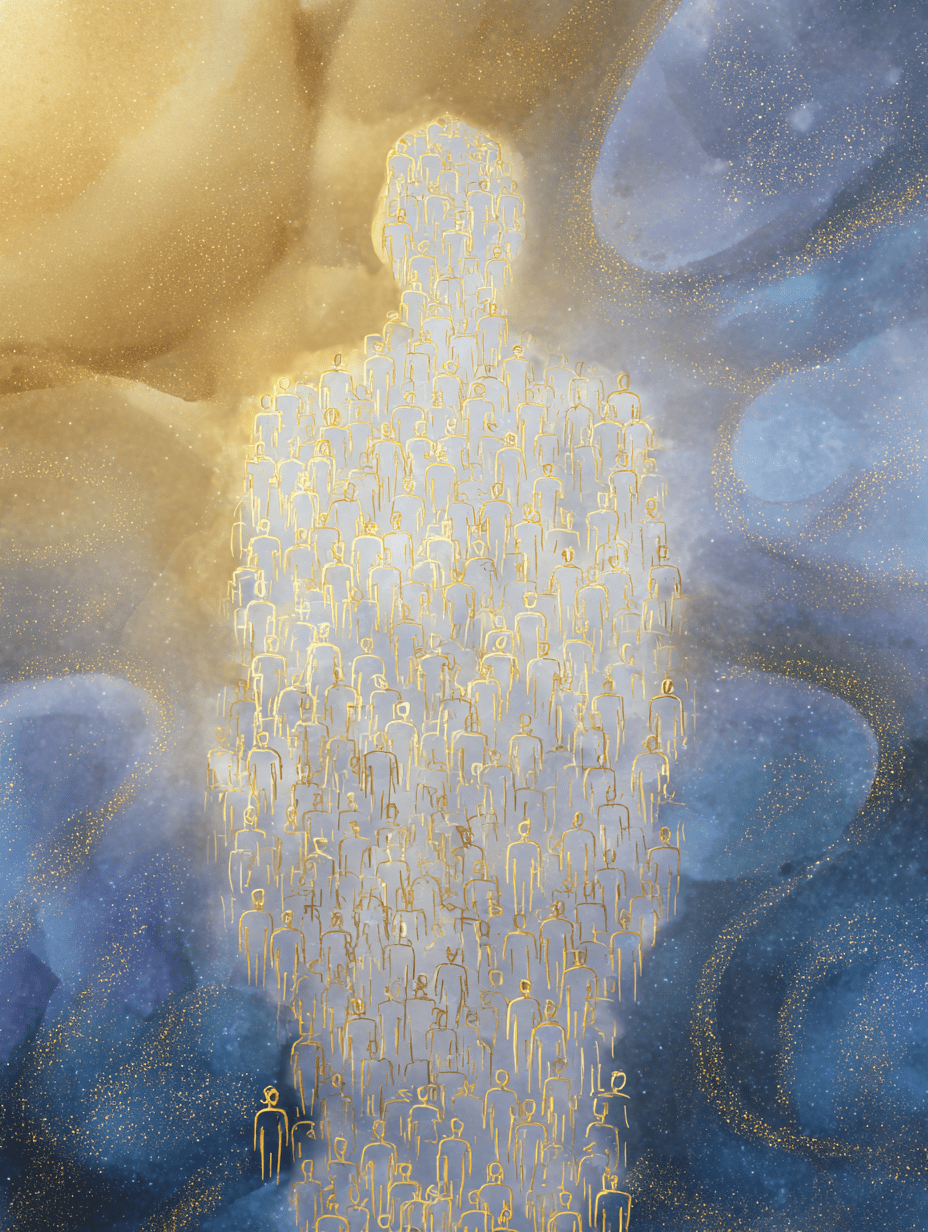
Schindler’s story is proof of the power of a single individual. By the end of the war, he had saved over 1,200 Jewish men, women, and children. These people survived, started families, and their descendants live on today. It’s estimated that the group of “Schindler’s Jews” and their descendants now numbers in the thousands. This is the living legacy of his courage.
I see a clear echo here of Viktor Frankl’s philosophy, which I wrote about in my article “Finding Meaning in Chaos.” Frankl, a Holocaust survivor himself, believed that even in the worst circumstances, a person retains the last of human freedoms: the ability to choose one’s own attitude. Schindler chose the attitude of humanity in inhuman times.
Much like Desmond Tutu (“The Healing Power of Joy and Justice”), Schindler showed that opposing injustice is a moral imperative. He wasn’t perfect—far from a saint in the traditional sense of the word. But maybe that’s what makes his story so powerful. It shows that doing good is not reserved for flawless heroes. Good can be done by anyone who has the courage to listen to their conscience.
Schindler spent his entire fortune saving people. After the war, he was bankrupt. He lived off the help of Jewish organizations and the survivors themselves. But did he really lose everything? I believe he gained something far more valuable—his soul.
Lessons for Today: The Courage to Be Human
Oskar Schindler’s story raises difficult questions for us today. What is courage now? How do we find the strength to do what’s right when it’s hard, unpopular, or risky?
For me, the most important lesson from his life is this: you don’t have to be perfect to do good. Schindler had his flaws; he was a man of flesh and blood, full of contradictions. But he didn’t let his imperfections stop him from acting. This reminds us that any moment is a good time for change. It’s never too late to choose compassion over indifference.
In today’s world, we rarely face the life-and-death choices that Schindler did. But the mechanisms are similar. Indifference to suffering, looking away from injustice, focusing only on our own comfort—these are the challenges we face daily.
We can learn from Schindler’s civil courage at work, at school, and in our communities. Sometimes “saving the world” begins with a small gesture—standing up for someone weaker, speaking out against hate, or reaching out to someone in crisis. Like Mother Teresa (“Compassion in Action”), Schindler shows that love in action has a powerful impact.
Conclusion: A Legacy of Hope
Oskar Schindler died in 1974, largely forgotten by the world, but never by those he saved. He was buried in Jerusalem on Mount Zion, the only member of the Nazi party to be honored in this way. It’s a symbolic end to the journey of a man who found his soul in hell on earth.
His life is a powerful reminder that redemption is always possible, and that even in the darkest of times, we have the capacity to choose light. His actions saved over 1,200 lives, but his legacy reaches much further. He showed us that one person, armed with courage and compassion, can change the course of history.
As I look at his story, I think about how we want to be remembered. Not for the wealth we accumulate, but for the mark we leave on the hearts of others. Schindler challenged his times and won the most important battle—the battle for his own humanity.
Let his story be an inspiration to us. “Whoever saves one life, saves the world entire.” Let’s strive to be people who save worlds—one act of kindness at a time.
If my writing has inspired or helped you, I would be grateful for your support.
Need support yourself? Discover how I can help you.
AI Disclosure
I see my thoughts as the essence, much like the soul, and AI helps me give them form. It supports me with research, translation, and organizing ideas, but every perspective is my own. Curious how I use AI? Read more here.