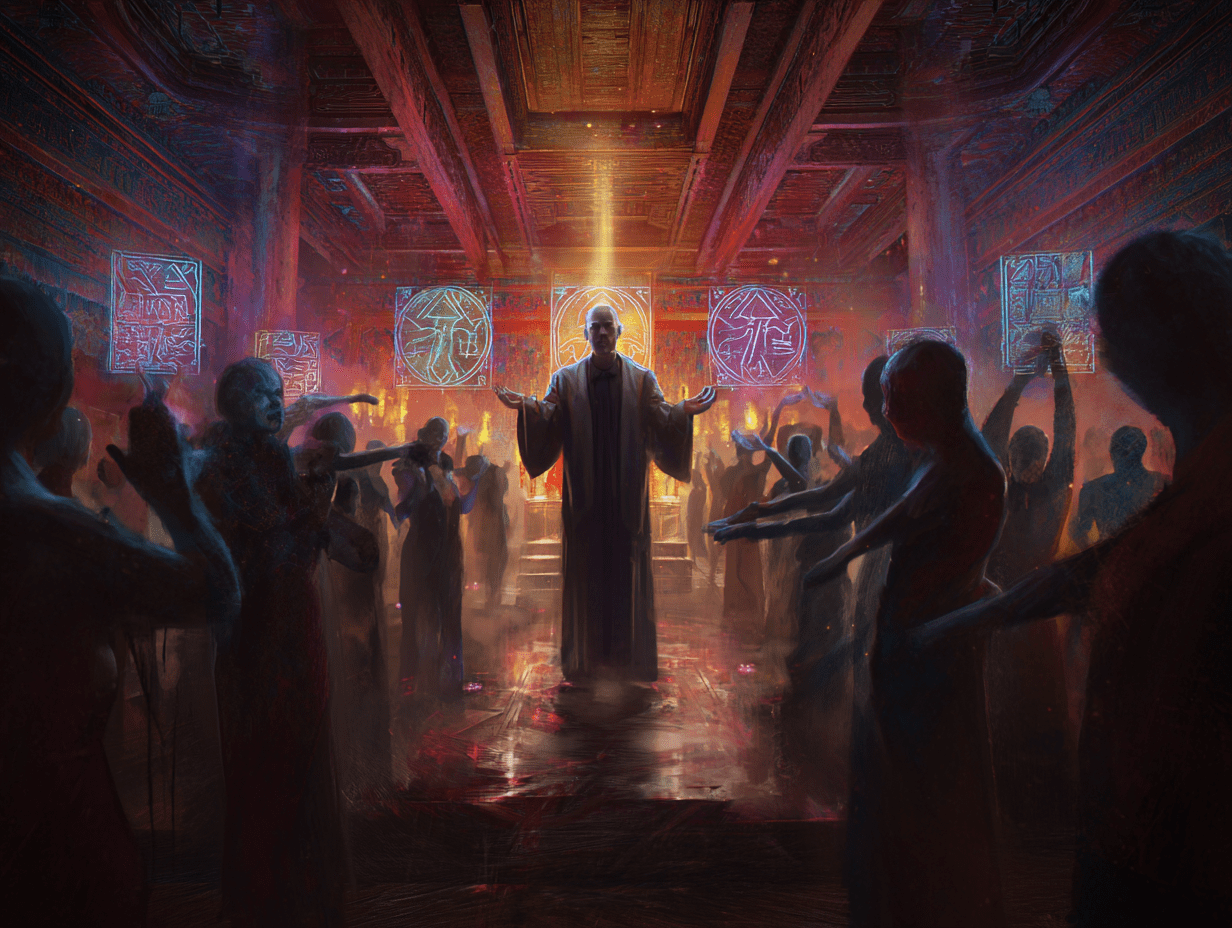
“Without forgiveness, there is no future.”
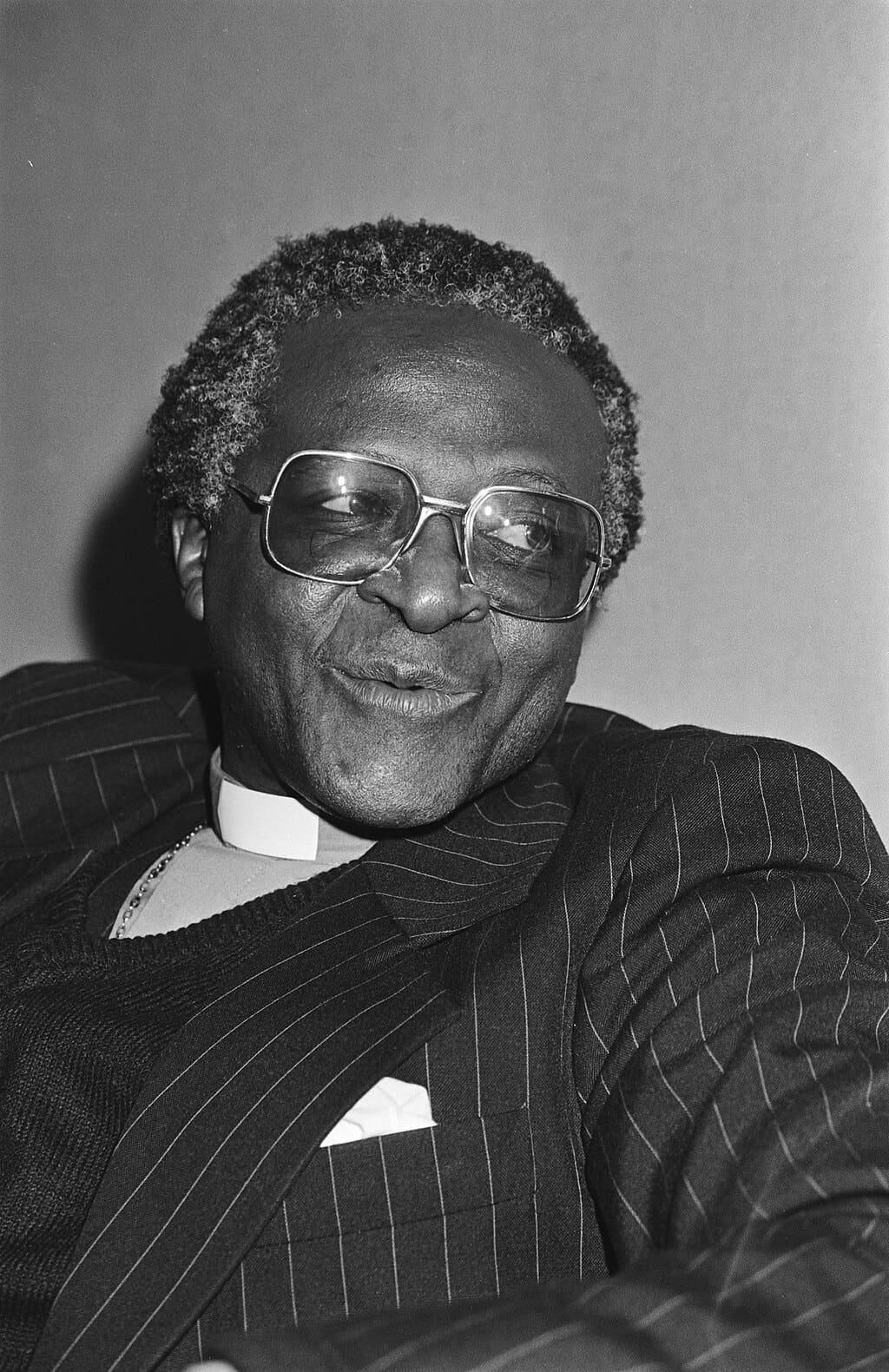
These simple, yet powerful words from Desmond Tutu capture the essence of his life’s mission. In a world full of division, pain, and injustice, his voice became a source of hope, a reminder that even the deepest wounds can heal. Tutu, an archbishop, Nobel Peace Prize laureate, and tireless human rights activist, was more than just a spiritual leader—he was the architect of reconciliation in apartheid-torn South Africa.
By leading the Truth and Reconciliation Commission, he showed the world a radical path to peace, one based not on vengeance, but on truth and forgiveness. His philosophy, deeply rooted in his Christian faith and the African concept of ubuntu (“I am because we are”), combined a relentless pursuit of justice with an extraordinary, infectious joy. His hearty laugh echoed through the darkest corridors of history, proving that joy is not the denial of suffering, but its most powerful antidote.
In this article, I want to dive into the life and legacy of Desmond Tutu to discover how his wisdom can become a guide for us. I want to show how we can draw from his courage to confront injustice and from his philosophy to find healing and joy in our own lives.
Historical and Spiritual Background
To truly understand Desmond Tutu’s incredible strength, I want to go back to his roots—to the world that tried to break him, but which he managed to transform. Born in 1931 in South Africa, he grew up in the shadow of the brutal apartheid system, which stripped Black citizens of their basic rights and dignity. I imagine a young Desmond dreaming of becoming a doctor, only to have those dreams crushed by racial and financial barriers. Following his father’s path, he became a teacher, but his refusal to accept the substandard education imposed on Black children led him to resign.
It’s in this act of defiance that I see the seed of his future path. He found his calling in the Anglican Church, where his intellect, charisma, and deep faith quickly propelled him to the top of the hierarchy. His journey into the priesthood wasn’t an escape from an oppressive reality, but a conscious choice of a tool to fight for justice. His pulpit became a platform from which he proclaimed the truth of the equality of all people in God’s eyes, boldly condemning the inhuman system of apartheid.
Tutu’s spiritual foundation rested on two pillars that I find personally very moving. The first was a deep, unwavering Christian faith that taught him about love, forgiveness, and hope. The second was the African philosophy of ubuntu, which he translated as “I am because we are.” This beautiful concept emphasizes that our humanity is inextricably linked with the humanity of others. The understanding that a harm done to one person is a harm to the entire community fueled his tireless pursuit of reconciliation.
In this struggle, Tutu was not alone. His path crossed with that of Nelson Mandela, with whom he shared a vision of a free and just South Africa. Although their methods differed—Mandela led an armed resistance for years, while Tutu operated from the position of a spiritual leader—their goal was the same. Tutu, much like Mahatma Gandhi in India before him, became a global symbol of nonviolent resistance. He proved that moral and spiritual strength can crumble even the hardest walls of political oppression. His life is a powerful testament to how personal faith, combined with a sense of community, can become a force capable of changing the world.
The Theological Foundations of Reconciliation
Desmond Tutu’s theology wasn’t a collection of abstract dogmas confined within church walls; it was the living, beating heart of his fight for human dignity. When I think about his approach to faith, I see a courage that went beyond traditional boundaries. Tutu believed deeply that God always stands on the side of the oppressed, and for him, the injustice of apartheid was not just a political crime, but above all, a theological heresy—a denial of the divine image in every human being.
The central point of his thought was the inseparable link between justice and forgiveness. In the context of the Truth and Reconciliation Commission (TRC), which he chaired, Tutu introduced the concept of restorative justice, placing it above traditional retributive justice. Tutu’s focus wasn’t on revenge or punishment, but on healing relationships—restoring humanity to both victims and perpetrators. He believed that true liberation also meant freeing oppressors from the corrosive burden of hatred that strips away their humanity.
It was here that his Christian faith intertwined inseparably with the African philosophy of ubuntu. Tutu often repeated, “My humanity is bound up in yours,” reminding us that we cannot be fully human if we deny the humanity of others. This approach revolutionized the way we think about social conflict. For me, this is incredibly inspiring—he showed that forgiveness is not an act of weakness or forgetting wrongs, but a courageous act of will that breaks the cycle of violence.
The Truth and Reconciliation Commission: Healing Through Truth
When apartheid fell, South Africa stood at a precipice. I imagine how deeply wounded the country was—divided by hatred and burdened by decades of systemic violence. At this pivotal moment in history, Desmond Tutu took on one of the most difficult tasks imaginable: chairing the Truth and Reconciliation Commission (TRC).
This was no ordinary court proceeding. Under Tutu’s leadership, the TRC became a spiritual and moral space where the nation could look its demons in the eye. Tutu didn’t seek revenge or simple solutions. Instead, he focused on restorative justice, believing that punishing perpetrators wasn’t enough to heal the country. True healing required something more—it required truth.
The scenes from the Commission’s hearings were harrowing. Victims told of brutal torture and the loss of loved ones, while perpetrators confessed to inhuman acts in exchange for amnesty. I can only imagine how difficult it must have been to listen to these accounts. Tutu often wept, which became a symbol of his profound empathy. He wasn’t just a judge; he was the nation’s “healer-in-chief.” He created a space where pain could be spoken and guilt could be named, allowing the process of forgiveness to begin.
This approach deeply resonates with the values he shared with Nelson Mandela. Both believed that hatred destroys the hater as much as the hated. They understood that South Africa’s future could not be built on a foundation of resentment. Tutu showed that peace is not just the absence of war, but an active process of rebuilding relationships.
Although the TRC was not without its critics and didn’t fix all the wrongs, it became a powerful testament that even after the darkest night, dawn can break, if only we have the courage to face the truth. Tutu taught us that confessing guilt and offering forgiveness are not signs of weakness, but the highest acts of human courage.
The Philosophy of Joy: Laughter as a Spiritual Weapon
You might think that a man who had seen so much suffering up close—from the brutality of apartheid to the harrowing testimonies at the Truth and Reconciliation Commission—would become bitter and severe. And yet, Desmond Tutu was known worldwide for his infectious, high-pitched laugh that could defuse tension in the most dramatic moments. For him, joy wasn’t an escape from reality or a naive ignorance of evil. It was a form of spiritual resistance.
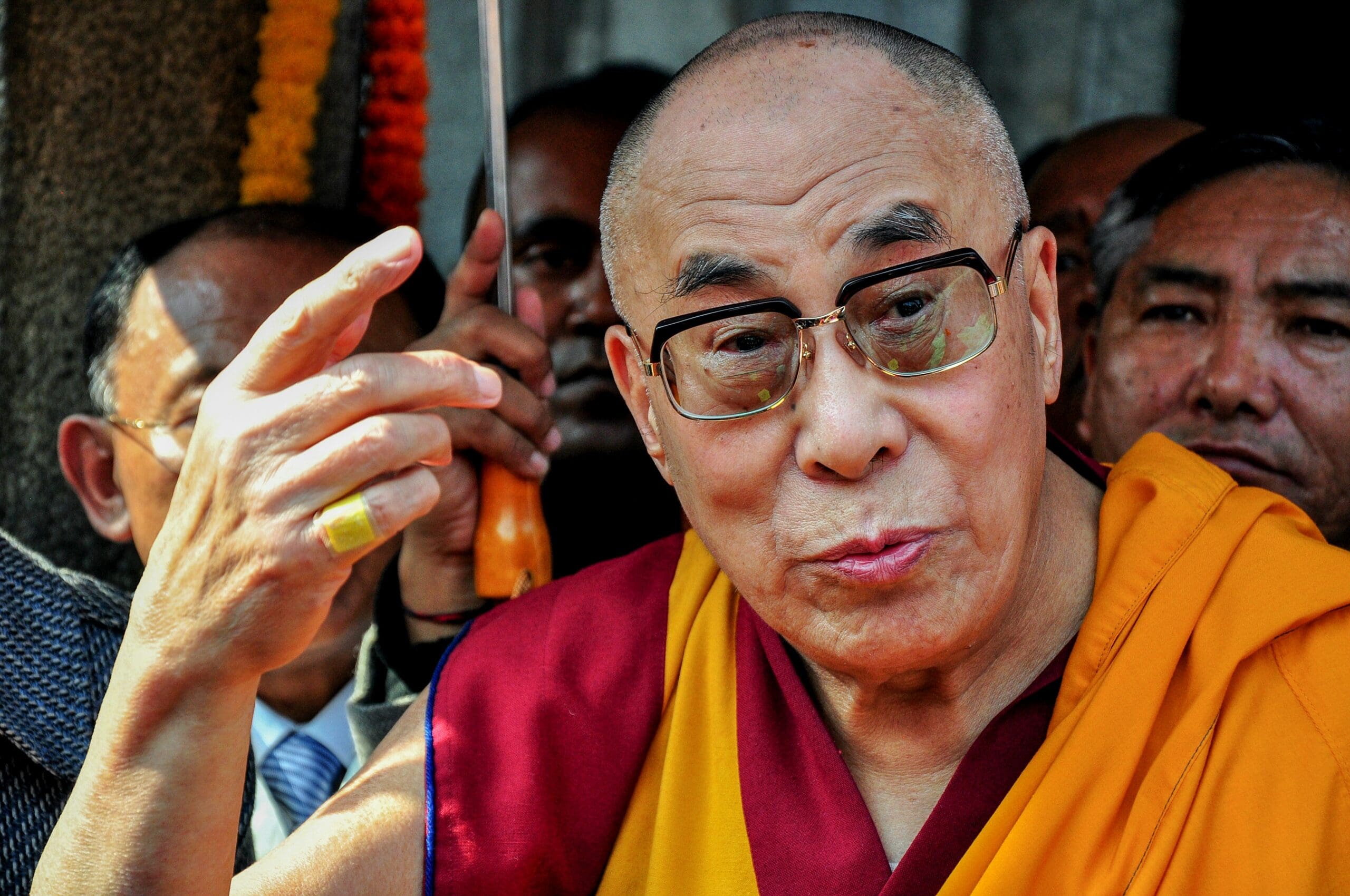
In his extraordinary friendship with the 14th Dalai Lama, which they chronicled together in The Book of Joy, Tutu showed that true joy is an internal state, independent of external circumstances. I imagine the two of them—despite their different religions and life paths—agreeing on one thing: joy is a discipline. It’s a muscle that must be exercised, especially when the world gives us reasons to cry. Tutu taught us that we don’t have to wait for a perfect life to be joyful. On the contrary, it is precisely in difficult times that joy becomes the fuel that allows us to fight for justice without burning out and succumbing to hatred.
This approach deeply resonates with the wisdom of the Sufi mystic I wrote about in my article on Rumi (“Rumi: Finding the Divine Within – Poetry of the Soul”). Just as Rumi saw ecstasy and poetry as a path to union with the Divine, Tutu saw joy as the shortest path to another person and to God. Both understood that spirituality devoid of joy becomes dry, and faith without a smile loses its human face. Tutu and Rumi remind us that the pursuit of unity and peace begins with cultivating light in our own hearts.
For the “Arch,” a smile was an act of rebellion against despair. He believed that God has a sense of humor and that we are created for happiness. This perspective is incredibly liberating. It allows us to understand that fighting for a better world doesn’t have to mean constant suffering and martyrdom. We can be warriors for justice while maintaining a lightness in our hearts, because joy is the ultimate proof that evil does not have the last word over us.
Lessons for Today
In a world that seems increasingly divided, where dialogue is replaced by shouting, I feel that Desmond Tutu’s wisdom becomes not just an inspiration, but a practical guide for our times. His values are not a relic of the past; they are a living call to action, here and now. So, I wonder, how can we draw from his legacy to face the challenges of the 21st century?
His approach to human rights, much like Martin Luther King Jr.’s, was deeply rooted in spirituality. Both leaders understood that the fight for justice is not just a political maneuver, but a moral imperative flowing from the belief in the sanctity of every human life. This is a powerful lesson for us: our engagement in social issues gains depth when it is driven by compassion, not just by anger.
I’d like to share a few practical ways we can bring Tutu’s philosophy into our daily lives:
- Actively Practice Forgiveness. For Tutu, forgiveness was never about forgetting the pain or pretending it didn’t happen. It was a deliberate choice to release ourselves from the toxic grip of hatred, which harms us most of all. Begin with small steps: approach someone who has hurt you with empathy—not to justify their actions, but to reclaim your peace of mind.
- Seek Justice in Small Gestures. Not all of us can change laws, but everyone can stand up to injustice in their own environment. It could be defending a colleague at work, reacting to hate speech online, or supporting a local charity. Tutu taught that great changes begin with small acts of courage.
- Choose Joy Consciously. Joy is not something that happens to us; it’s a choice. In the face of hardship, find a moment for gratitude, listen to your favorite music, dance in the kitchen. Cultivating joy is a way of caring for your energy so you can continue to work for good without being consumed by despair.
For me, Desmond Tutu’s legacy is a call to be a “prisoner of hope.” It’s an invitation to dare to believe in human goodness in a world full of cynicism and to actively work to make it a reality. His life shows that our spirituality has its greatest value when it translates into concrete, loving action in the world.
Conclusion
Desmond Tutu’s legacy, to me, is far more than a historical account of his accomplishments. It’s a call to deeply reflect on the kind of people we aspire to be in a world crying out for healing. His life proves that one individual, guided by faith, courage, and unshakable joy, can spark transformations once thought impossible. Tutu bravely confronted hatred, responding not with vengeance, but with a call for truth and forgiveness. He reminded us that our humanity is inextricably intertwined.
I hope his story can be an inspiration for us to act. We don’t have to lead commissions or stand at the head of nations to put his lessons into practice. We can start right where we are—in our families, workplaces, and communities. We can practice forgiveness, seek justice in small gestures, and cultivate joy even in difficult times.
Desmond Tutu’s life calls us to become active participants in building a more empathetic and just world. It’s a call that each of us can answer—in our own way, at our own pace, but always with hope and love in our hearts.
“Do your little bit of good where you are; it’s those little bits of good put together that overwhelm the world.”
If my writing has inspired or helped you, I would be grateful for your support.
Need support yourself? Discover how I can help you.
AI Disclosure
I see my thoughts as the essence, much like the soul, and AI helps me give them form. It supports me with research, translation, and organizing ideas, but every perspective is my own. Curious how I use AI? Read more here.