The house was beautiful. From the street, with its manicured lawn and freshly painted shutters, it looked like a sanctuary. But for Elena, the walls were not made of brick and mortar; they were made of silence.
Inside, the air was always thin, as if oxygen were a privilege she had to earn. She moved through the rooms like a ghost in her own life, practicing the art of invisibility. The goal was always the same: do not provoke the storm.
The Fog of Compliance
For years, Elena lived in a thick, suffocating fog. It wasn’t just fear; it was a twisted form of loyalty. When he raised his voice, she told herself he was just stressed. When he threw a plate because dinner wasn’t perfect, she told herself she should have tried harder.
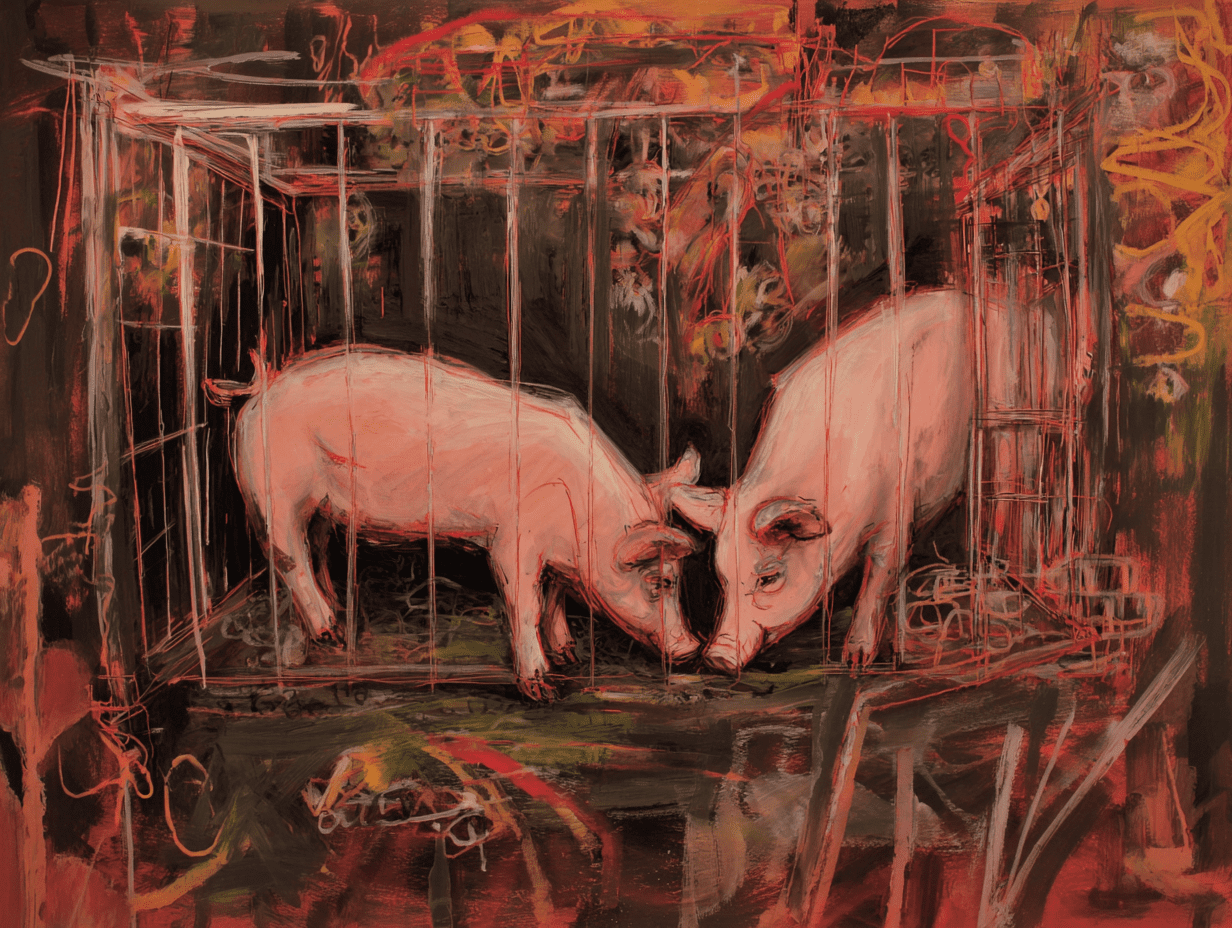
This is the insidious nature of the cage—you eventually forget that the door was ever locked from the outside. You begin to believe you are holding the key, but choosing to stay.
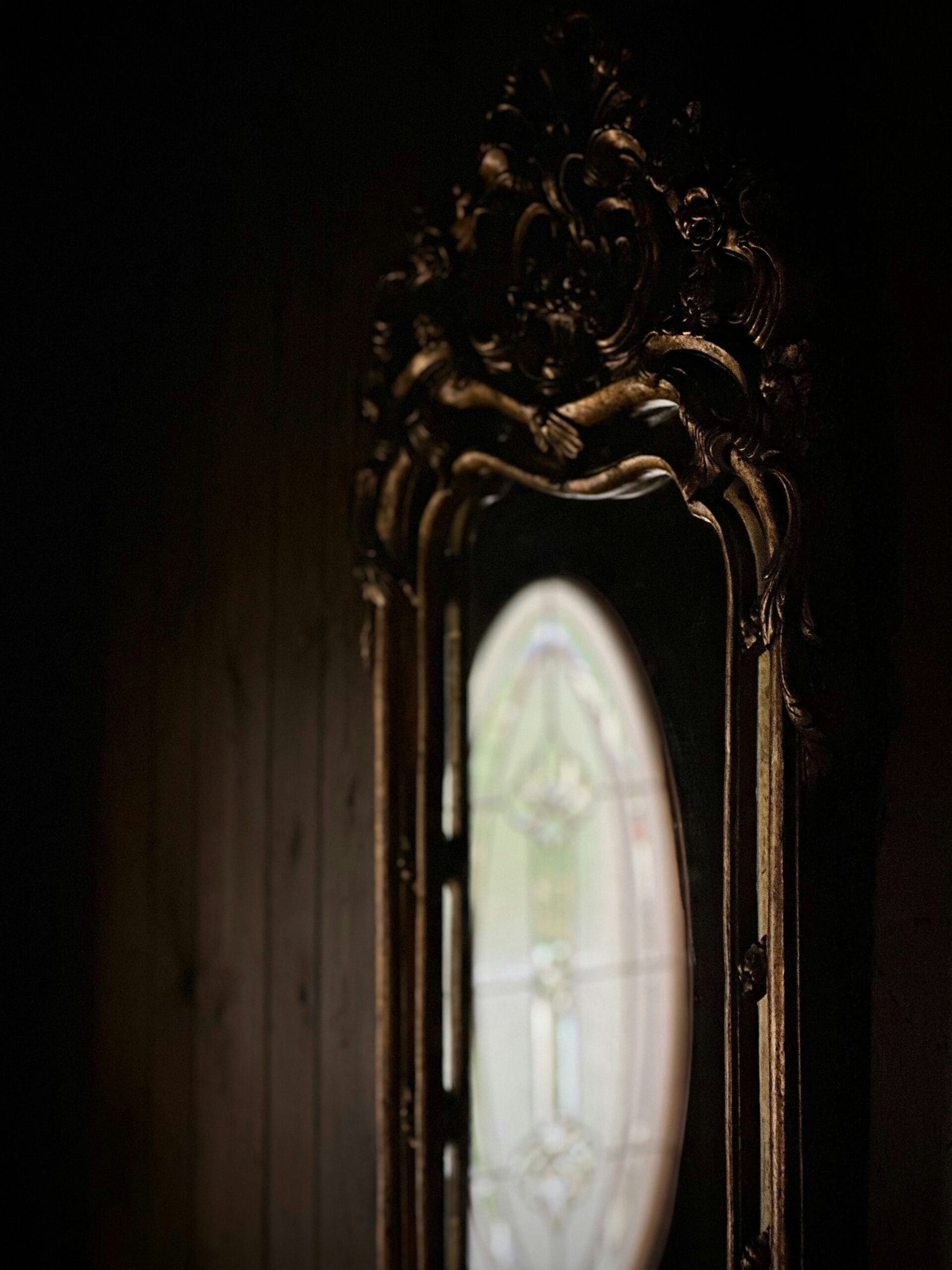
“He loves me,” she would whisper to the bathroom mirror, touching the tender skin on her arm. “He just doesn’t know how to show it properly. If I can just be better, he will be better.”
She had learned to shrink. To fold herself into shapes that wouldn’t offend him. She had severed ties with friends who asked too many questions and family members who noticed the sadness in her eyes. Isolation is the abuser’s most powerful weapon, and Elena was completely disarmed.
The Mirror of Innocence
The breaking point didn’t come with a shout or a blow. It came in a whisper.
One Tuesday evening, Elena found her five-year-old son, Leo, scolding his teddy bear. His small face was twisted into a scowl that looked terrifyingly familiar. He grabbed the bear by its fuzzy arm and shook it.
“Stop crying!” Leo hissed at the toy. “You’re making me mad! Why are you so stupid?”
Elena froze in the doorway. The breath left her lungs. She wasn’t looking at a child playing; she was looking at a reflection of her reality.
In that moment, the fog lifted. She realized that by staying, she wasn’t protecting her children—she was teaching them. She was teaching her son how to be a tyrant, and she was teaching her daughter, asleep in the next room, that love is supposed to hurt.
The realization hit her with the force of a physical blow: Hope is not waiting for the storm to pass. Hope is building a shelter elsewhere.
The Quiet Rebellion
Leaving wasn’t an event; it was a campaign.
For weeks, Elena operated with a terrifying clarity. The “Stockholm” voice that used to defend him—he’s tired, he’s sorry, he needs me—was silenced by a new, fierce voice: “My children deserve peace.”
She skimmed cash from the grocery budget, hiding bills inside a hollowed-out book. She packed bags not with clothes, but with documents—birth certificates, passports, social security cards. She made calls from public phones, her voice trembling but her words steady.
She was terrified. Her heart hammered against her ribs like a trapped bird every time he walked into the room. But she learned that courage is not the absence of fear; it is acting in spite of it.
Crossing the Threshold
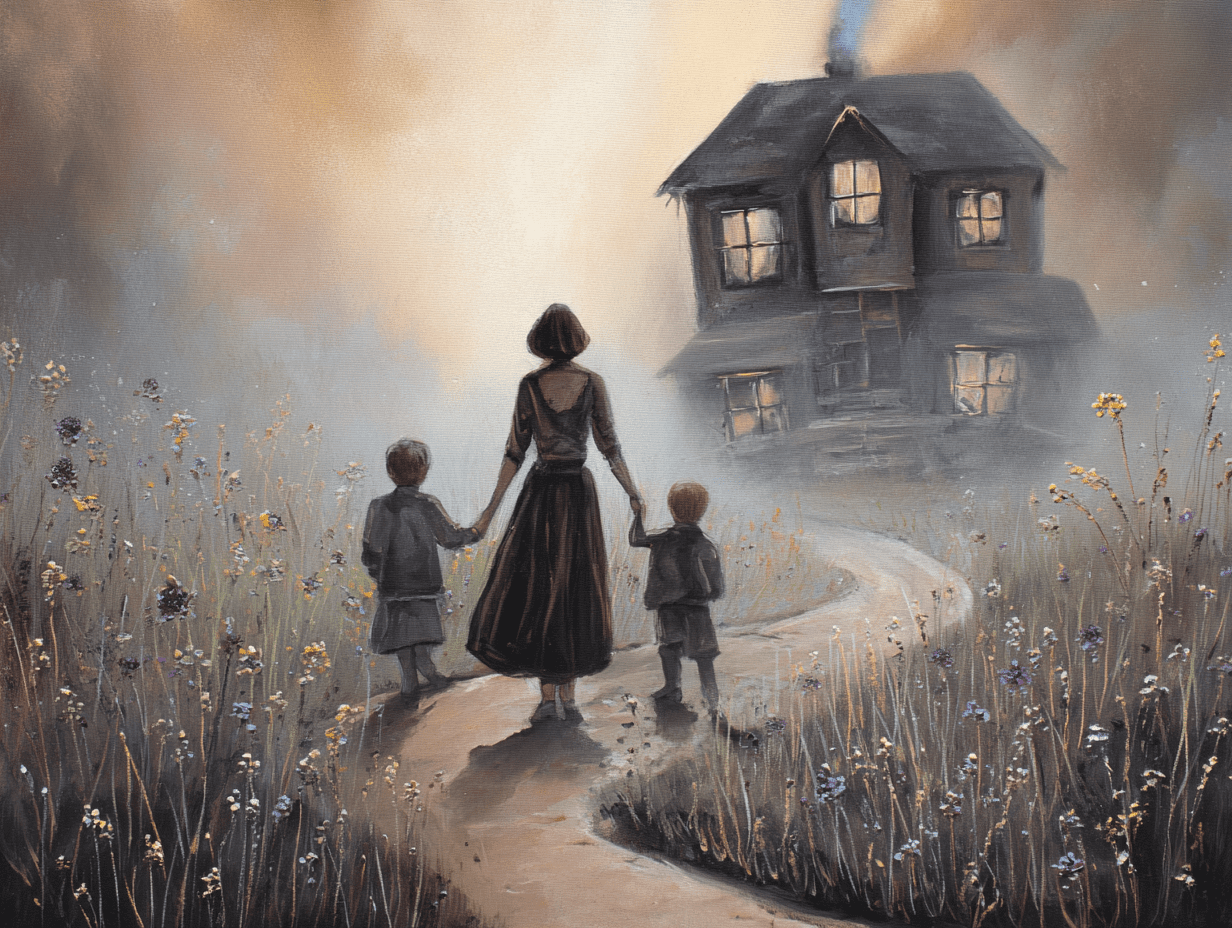
The morning she left, the sky was a bruised purple. He was at work. The house was silent.
Elena didn’t write a note. There were no explanations left to give, no apologies owed. She buckled the children into the car.
“Where are we going, Mommy?” her daughter asked, rubbing sleep from her eyes.
Elena gripped the steering wheel, her knuckles white. She looked at the house one last time—the beautiful, perfect prison that had consumed a decade of her life.
“We are going to find ourselves,” Elena replied. “We are going to be free.”
As she drove away, the fear didn’t vanish instantly. It sat in the passenger seat, heavy and cold. But with every mile that put distance between them and him, the air in the car became lighter. For the first time in years, Elena took a deep breath. It tasted like morning rain. It tasted like possibility.
A New Architecture
Rebuilding was not easy. There were nights Elena woke up shaking, convinced she heard his key in the lock. There were days of financial struggle and legal battles.
But there was also laughter—loud, uninhibited laughter that didn’t need to be stifled. There were dinners where burnt toast was just burnt toast, not a catastrophe.
Elena learned that boundaries were not walls to shut people out, but gates to protect the garden she was growing. She reclaimed her name, her voice, and her space. She looked at her children and saw the tension leaving their small bodies, replaced by the careless joy of childhood.
She hadn’t just saved them; she had broken the chain.
Reflection
And now, a question for you…
What do you make of Elena’s awakening? Why do you think it is often harder to leave a situation when we feel responsible for the other person’s emotions?
Perhaps Elena’s story challenges our understanding of strength. We often think of strength as endurance—how much we can take, how long we can last. But maybe true strength is the ability to say “no more.” Maybe it is the realization that we cannot save others by destroying ourselves.
Have you ever had a moment where you saw your life reflected back at you—through a child, a friend, or a stranger—and realized something had to change?
What boundaries have you set in your own life to protect your peace? Share your thoughts in the comments below.
If my writing has inspired or helped you, I would be grateful for your support.
Need support yourself? Discover how I can help you.
AI Disclosure
I see my thoughts as the essence, much like the soul, and AI helps me give them form. It supports me with research, translation, and organizing ideas, but every perspective is my own. Curious how I use AI? Read more here.