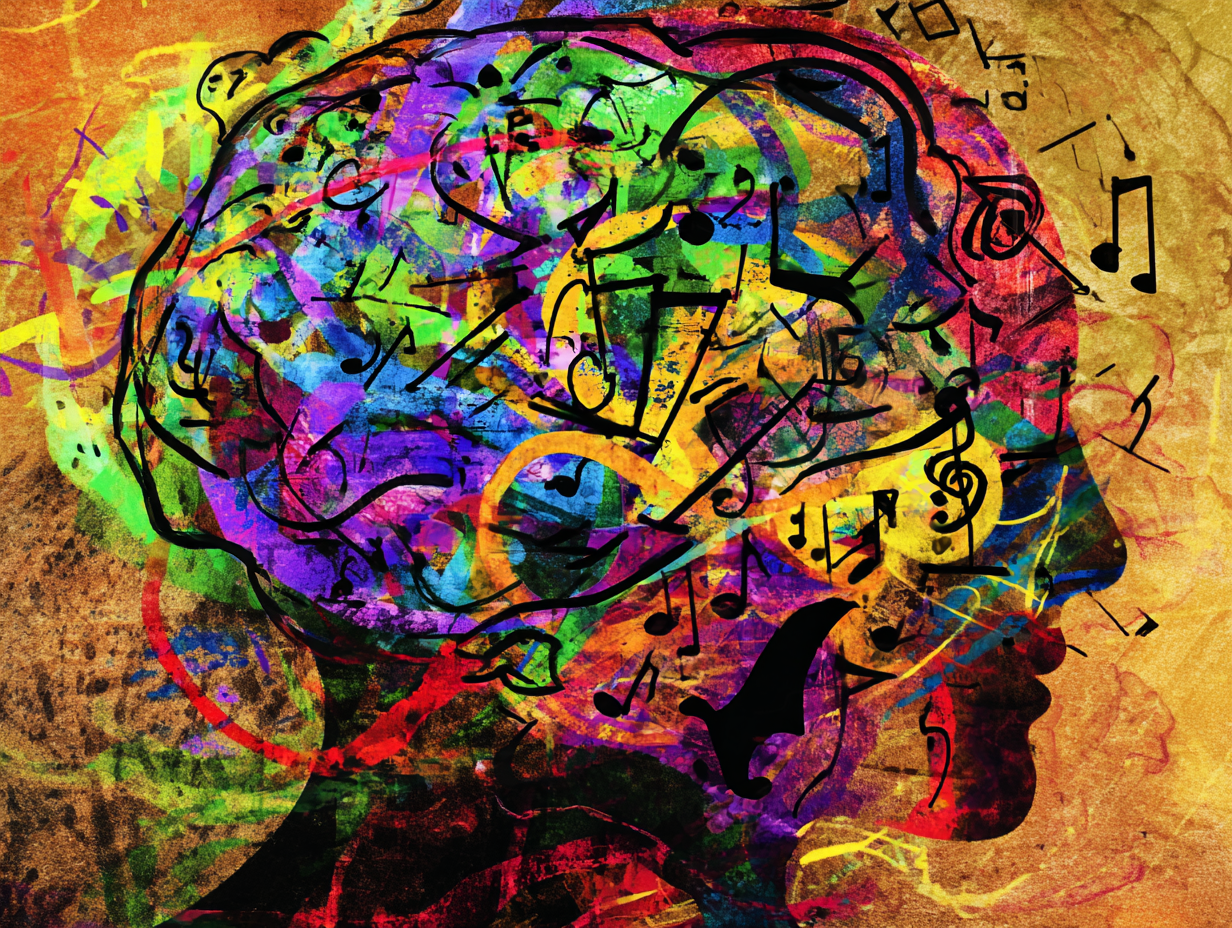

Did you know that holding onto a grudge puts your brain into a state of constant emergency? Every time you recall a past hurt, your brain reacts as if you’re facing a predator in the wild. This triggers a cascade of physical responses: your heart races, your muscles tighten, and stress hormones flood your system, keeping you in a prolonged state of tension.
We often think of forgiveness as a high moral act or a moment of spiritual transcendence. But science shines a completely different light on it.
Forgiveness isn’t just about having a “good heart.” It’s a complex, biological repair process that takes place deep within the intricate structures of your brain. By choosing to forgive, you make a neurobiological decision to deactivate your internal alarm system, which has been keeping your body in a state of heightened stress. This process not only restores balance to your nervous system but also has far-reaching effects on your overall health—reducing inflammation, improving cardiovascular function, and even enhancing cognitive clarity. In this article, we’ll explore the fascinating science behind forgiveness, uncovering how it can transform your brain, strengthen your relationships, and serve as a cornerstone for mental and physical well-being.
If you’re curious about the broader emotional and spiritual dimensions of forgiveness, don’t miss my related article: The Power of Forgiveness: Healing Yourself and Others.
What Is Forgiveness? A Neurobiological Perspective
In everyday language, forgiveness is often associated with forgetting offenses or reconciling with an offender. Across many spiritual traditions, forgiveness holds a central role—Christianity emphasizes it as an act of mercy and renewal, while Buddhism teaches that releasing resentment is essential for inner peace and the end of suffering. Though these practices are thousands of years old, it’s fascinating that modern neuroscience is now confirming what spiritual teachers have intuited: the act of forgiving doesn’t only heal the soul—it meaningfully transforms the brain as well.
From a neurobiological perspective, forgiveness is an advanced cognitive and emotional process that involves consciously reshaping how the brain reacts to the stressor—in this case, the memory of the hurt. This process is far from passive; it’s an active and deliberate “workout” for the brain, requiring effort and practice.
Forgiveness involves extinguishing negative emotions (like anger, fear, or disgust) and replacing them with neutral or positive states (like empathy or compassion). In the language of neuroscience, this is known as emotional regulation and cognitive reframing. These processes rely heavily on the brain’s prefrontal cortex, which acts as the “executive center” for managing impulses and reinterpreting experiences.
Interestingly, studies have shown that individuals who regularly practice forgiveness exhibit greater resilience to stress and are less likely to develop chronic conditions like anxiety or depression. This suggests that forgiveness is not just a moral or emotional act—it’s a skill that can be cultivated to improve overall mental health and quality of life.
When you hold a grudge, your brain gets stuck in a loop of negative reinforcement. The neural pathways responsible for feeling pain and anger become like superhighways—the more you travel them, the wider and faster they get. Forgiveness is neuroplasticity in action: it’s the construction of new roads that allow you to bypass areas of pain and reach a zone of calm. It is a process where the “rational brain” takes control over the “emotional brain,” deciding that the past will no longer steer the present.
The Neurobiology of Forgiveness: What’s Happening in Your Head?
To understand the power of forgiveness, we have to look inside the brain and observe the interplay between its different regions. It’s a fascinating performance where the main roles are played by the limbic system and the neocortex.
The Amygdala: The Guardian of Anger
At the center of the reaction to hurt stands the amygdala—a small, almond-shaped structure nestled deep within the limbic system. Often referred to as the brain’s “fear center,” the amygdala is your internal alarm system, designed to protect you from threats. When someone hurts you, this structure activates the “fight or flight” response, flooding your body with stress hormones like adrenaline and cortisol. In social contexts, “fight” often manifests as anger and a desire for revenge, while “flight” can lead to withdrawal, isolation, or avoidance.
For individuals who hold onto grudges, the amygdala remains in a state of hyperactivity, as if the threat is still present. Each memory of the hurt reactivates this alarm, perpetuating a cycle of stress and emotional pain. Forgiveness, however, acts as a neurological “off switch,” silencing the amygdala’s alarm. Brain imaging studies (fMRI) reveal that during moments of forgiveness, amygdala activity significantly decreases, leading to measurable reductions in anxiety, tension, and even physical symptoms like elevated heart rate (Ricciardi et al., 2013). This calming effect not only benefits your emotional state but also protects your body from the long-term damage of chronic stress.
The Prefrontal Cortex: The Command Center
The true hero of the forgiveness process is the prefrontal cortex (PFC), often referred to as the brain’s “command center.” This region is responsible for higher-order cognitive functions such as planning, decision-making, empathy, and impulse control. It’s here that the critical decision is made: “I don’t want to feel this anymore.”
The prefrontal cortex plays a crucial role in regulating the emotional brain, particularly the amygdala, which is often hyperactive during moments of anger or resentment. This process, known as top-down regulation, allows the rational brain to “override” the emotional brain. For example, when you analyze a situation calmly, attempt to understand the other person’s perspective, or prioritize your own health over lingering anger, it’s your prefrontal cortex at work, sending calming signals to the limbic system.
What’s fascinating is that the strength of the prefrontal cortex can be enhanced through practices like mindfulness meditation, cognitive behavioral therapy, and even journaling. These activities not only improve emotional regulation but also make forgiveness a more accessible and natural response. In essence, the stronger your prefrontal cortex, the easier it becomes to let go of past hurts and move forward with clarity and peace.
The Neurochemical Cocktail: Hormones and Transmitters
Forgiveness changes not only the brain’s electrical activity but also its chemistry, initiating a cascade of neurochemical shifts that profoundly impact your mental and physical health:
- Cortisol (Stress Hormone): Holding onto a grudge keeps cortisol levels chronically elevated, which can damage neurons, particularly in the hippocampus—a region critical for memory and learning. Prolonged exposure to high cortisol levels also weakens the immune system, making the body more susceptible to illness. Studies show that forgiveness can reduce cortisol levels by as much as 23%, offering significant protection against neurodegeneration and stress-related diseases (Reeve, 2018).
- Oxytocin: Known as the “bonding hormone,” oxytocin fosters feelings of trust, empathy, and connection. Forgiveness stimulates its release, helping to rebuild a sense of social safety and emotional resilience. Even if the relationship with the offender isn’t restored, the release of oxytocin can help you feel more at peace with yourself and others.
- Dopamine and Serotonin: Letting go of anger activates the brain’s reward system, increasing levels of dopamine and serotonin. These “feel-good” neurotransmitters not only improve mood but also enhance motivation, focus, and a sense of control over your life. This neurochemical shift can be a powerful antidote to feelings of helplessness and despair.
Research published in the Journal of Behavioral Medicine (Lawler et al., 2003) confirms these mechanisms, indicating that people who effectively forgive have lower resting heart rates and a reduced risk of hypertension. Their parasympathetic nervous systems (responsible for relaxation) function more efficiently.
By understanding these chemical changes, it becomes clear that forgiveness is not just an emotional act—it’s a profound biological intervention that safeguards your brain and body.
Forgiveness and Mental Health: A Brain Without Stress
The connection between a lack of forgiveness and mental health disorders is stronger than many realize. Chronic resentment keeps the brain locked in a state of constant rumination—an obsessive replaying of the same painful thoughts and memories. This mental loop not only drains emotional energy but also has measurable effects on brain function.
Rumination engages the Default Mode Network (DMN), a network of brain regions that becomes active during rest or introspection. While the DMN is essential for self-reflection, its overactivation in the context of resentment can lead to maladaptive patterns of thinking, such as self-blame, catastrophizing, or feelings of helplessness. Over time, this can contribute to the development of anxiety, depression, and even physical health issues like insomnia or high blood pressure.
Forgiveness acts as a powerful “reset button” for the brain, interrupting this cycle of rumination. By redirecting mental energy from the DMN to executive networks responsible for problem-solving and constructive action, forgiveness allows the brain to focus on the present moment and future possibilities. This shift not only alleviates emotional distress but also fosters a sense of empowerment and control over one’s life.
Breaking the Loop of Anxiety and Depression
The human brain has an incredible capacity for self-reflection, but when this ability turns into rumination, it can become a trap. Instead of finding solutions, the mind becomes stuck in a loop of replaying past hurts, draining emotional energy and reinforcing negative patterns. This mental loop not only affects emotional well-being but also disrupts cognitive processes, making it harder to focus on the present or plan for the future.
Forgiveness functions as a powerful “stop” button for this cycle. By consciously choosing to let go, you redirect the brain’s energy from the Default Mode Network (DMN)—which is overactive during rumination—to executive networks responsible for problem-solving and constructive action. This shift allows the brain to break free from the grip of past hurts and focus on the present moment and future possibilities.
To support this process, practices like mindfulness meditation, journaling, or guided visualization can be particularly effective. These techniques help train the brain to interrupt the rumination cycle and create space for more adaptive and empowering thoughts. Over time, forgiveness not only alleviates emotional distress but also fosters resilience, enabling individuals to approach life with greater clarity and control.
Empathy as Medicine
Forgiveness is inextricably linked with empathy, a skill that allows us to understand and connect with the emotions and perspectives of others. From a neurobiological point of view, empathy activates key areas of the brain, such as mirror neurons and the anterior cingulate cortex (ACC). These regions are responsible for processing social emotions and reducing the subjective sensation of psychological pain.
When we make an effort to understand the motives or circumstances of the person who hurt us (without justifying their actions), we engage these brain regions, which can help diminish feelings of anger and resentment. For example, imagine a colleague who snapped at you during a meeting. Instead of focusing on the hurt, consider what might have been happening in their life—perhaps they were under immense pressure or dealing with personal challenges. This shift in perspective can help reduce resentment and open the door to understanding.
To cultivate empathy, try practicing “perspective-taking”—a technique where you imagine the situation from the other person’s point of view. For example, imagine a colleague who snapped at you during a meeting. Instead of focusing on the hurt, consider what might have been happening in their life—perhaps they were under immense pressure or dealing with personal challenges. Ask yourself: What might they have been feeling or thinking at the time? What circumstances could have influenced their actions? While this doesn’t excuse harmful behavior, it can help you reframe the situation in a way that feels less personal and more manageable.
A brain that can empathize is not only more resilient to stress but also less susceptible to social isolation. By fostering empathy, you create a foundation for forgiveness that benefits both your mental health and your relationships.
How to Train Your Brain to Forgive: Neurobiological Techniques
Forgiveness is not just an emotional act—it’s a skill deeply rooted in brain activity, and the good news is that it can be trained. Thanks to neuroplasticity—the brain’s ability to rewire itself—we can “reprogram” our emotional responses to hurt and create lasting changes in how we process pain. These techniques are not just theoretical—they are supported by neuroscience and have been shown to create measurable improvements in brain activity and emotional well-being.
Before you dive into these four science-backed techniques to cultivate forgiveness, take a moment to reflect:
Is there a grudge you’re still holding onto?
How might your mental and physical well-being change if you let it go—even just a little? What would life look like if that weight was finally lifted? Jot down your thoughts or just notice what comes up.
1. Mindfulness – Strengthening the Prefrontal Cortex
Mindfulness meditation acts as a workout for the prefrontal cortex, the brain’s command center for emotional regulation. Regular practice has been shown to increase cortical thickness in areas responsible for managing emotions and impulses.
- How it works: By practicing mindfulness, you train your brain to observe emotions like anger or resentment without immediately reacting to them. This creates a “pause” between the memory of the hurt and your emotional response, giving the amygdala time to deactivate. Over time, this practice can make forgiveness feel more natural and less effortful.
2. Cognitive Reframing
Cognitive reframing is a powerful tool that allows you to reinterpret past events in a way that reduces their emotional charge and fosters emotional growth. This technique actively engages the frontal lobes, the brain’s center for reasoning and decision-making, helping you shift from a victim mindset to one of empowerment and resilience. By consciously changing the narrative around a painful event, you can weaken the neural pathways associated with negative emotions and strengthen those linked to positive, constructive thinking.
How it works:
Start by identifying the negative thought patterns or beliefs you associate with the hurtful event. For example, instead of thinking, “He destroyed my life,” try reframing it as, “That experience was painful, but it taught me how to set boundaries and value myself.” This shift in perspective not only changes the language you use but also rewires the neural pathways in your brain, making it easier to let go of anger and resentment.
Practical Exercise:
Write down the event that caused you pain and the emotions you associate with it. Be as detailed as possible—what happened, how you felt, and how it continues to affect you.
Next, identify the core belief or narrative you’ve been telling yourself (e.g., “I’m not good enough,” or “I’ll never trust anyone again”).
Challenge this belief by asking yourself:
- Is this thought absolutely true, or is it based on assumptions or emotions?
- What evidence do I have that contradicts it?
- How might someone else interpret this situation differently?
Finally, rewrite the narrative in a way that focuses on growth, learning, or resilience. For example, instead of thinking, “This failure defines me,” try reframing it as, “This experience taught me valuable lessons that I can use to grow.” Over time, this practice can help you break free from the mental loop of negativity and replace it with a more constructive and empowering mindset.
3. Empathy and Perspective Training
Empathy is a cornerstone of forgiveness, allowing you to see the situation from the other person’s perspective without excusing their behavior. This technique activates the brain’s empathy centers, such as the anterior cingulate cortex (ACC) and mirror neurons, which are responsible for processing social emotions and fostering connection.
By practicing empathy, you not only reduce the emotional intensity of the hurt but also create space for understanding and compassion. Neuroscience research shows that empathy can lower stress levels and improve emotional resilience, making it a powerful tool for healing.
How it works:
Empathy doesn’t mean agreeing with or justifying someone’s actions—it’s about understanding the context behind their behavior. For example, if someone hurt you, consider what might have been happening in their life at the time. Were they acting out of fear, stress, or their own unresolved trauma? This shift in perspective can reduce the intensity of your anger and open the door to compassion.
Practical Exercise:
Think of the person who hurt you and write down what you know about their life circumstances at the time of the event. Were they under stress, dealing with personal challenges, or acting out of fear or insecurity?
Ask yourself:
- What might they have been feeling or thinking in that moment?
- What fears, insecurities, or pressures could have influenced their actions?
- How might their own past experiences or traumas have shaped their behavior?
Now, imagine having a conversation with them where you express your feelings but also acknowledge their perspective. For example, you might say, “I felt hurt when you said those things, but I understand you were under a lot of pressure at the time.”
Example:
If a colleague snapped at you during a meeting, instead of focusing on the hurt, consider: “Maybe they were under immense pressure to meet a deadline or dealing with personal challenges I wasn’t aware of.” This doesn’t excuse their behavior, but it helps you reframe the situation in a way that feels less personal and more manageable.
By practicing empathy, you not only reduce the emotional weight of the hurt but also strengthen your own resilience and capacity for connection.
4. Visualization of Cutting Ties
The brain has an incredible ability to respond to visualization as if it were reality. This is why techniques like guided imagery or symbolic visualization can be so effective in the forgiveness process. For example, imagine yourself cutting a rope that connects you to the source of your pain, or visualize throwing away a heavy stone that represents the weight of your resentment. These simple yet powerful exercises can create a profound sense of relief.
Such practices send a clear signal to your nervous system: the threat has passed, and it’s safe to let go. Research in neuropsychology suggests that visualization activates the same neural pathways as actual experiences, making it a potent tool for emotional healing. To amplify the effect, pair visualization with deep breathing or calming music, further reinforcing the message of safety and release. You might also try journaling about the experience after the visualization, describing how it felt to let go and what new possibilities this creates for your life. Over time, this practice can help rewire your brain, transforming the memory of the hurt into a source of peace rather than pain.
And if you’re ready:
Close your eyes and think of that person or situation one last time. Can you imagine, even for a brief moment, what it would feel like to let go of the pain?
Conclusion: Forgiveness as a Path to Freedom
Forgiveness is not an act of weakness or submission. From a neurobiological standpoint, it’s one of the most profound ways to care for your own well-being. By forgiving, you consciously choose to stop exposing your brain to a harmful cocktail of stress hormones, paving the way for healing and resilience.
If this article has sparked your interest in the transformative power of forgiveness, explore more practical exercises and insights in my related piece: The Power of Forgiveness: Healing Yourself and Others.
By choosing forgiveness, you choose health. You decide to protect your neurons, your heart, and your immune system. You take power away from the primitive reactions of the amygdala and hand the wheel over to the developed prefrontal cortex.
Remember that your brain is plastic. Regardless of how deep your wounds are, you possess the biological machinery necessary to heal yourself. Forgiveness is a skill you can develop every day. Take that first step—not for the person who hurt you, but for your own peaceful mind. Remember, forgiveness is a journey, not a destination. Each small step you take brings you closer to a healthier, more peaceful mind.
What about you? Have you ever experienced the transformative power of forgiveness? Or do you find it challenging to let go of past hurts? Share your thoughts, experiences, or even questions in the comments below—I’d love to hear your perspective and continue the conversation.
If my writing has inspired or helped you, I would be grateful for your support.
Need support yourself? Discover how I can help you.
AI Disclosure
I see my thoughts as the essence, much like the soul, and AI helps me give them form. It supports me with research, translation, and organizing ideas, but every perspective is my own. Curious how I use AI? Read more here.