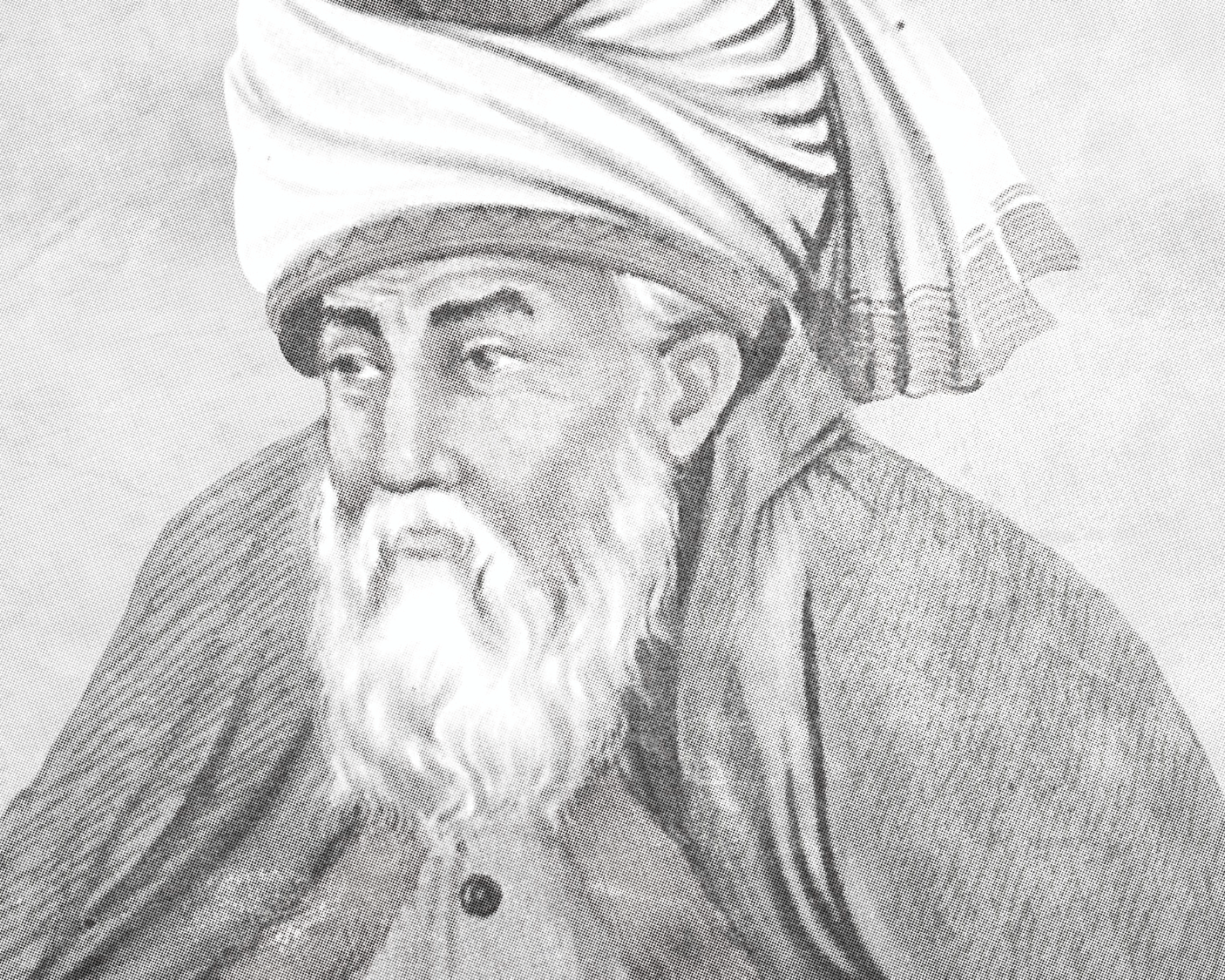
There are figures in human history whose words resonate through the centuries with unchanging power. They cross the boundaries of culture, religion, and time, touching the deepest chords of our souls. One such figure is undoubtedly Jalal al-Din Rumi (Jalāl ad-Dīn Muhammad Rūmī)—a 13th-century Persian poet, theologian, and Sufi mystic. Though he lived hundreds of years ago, his work feels more relevant today than ever. Why? Because it speaks to what we all yearn for: love, meaning, and finding truth within ourselves.
Rumi’s poetry is more than just a collection of beautiful verses. It’s a map leading to our innermost selves, to the place where, as he believed, divinity resides. His philosophy is an invitation to spiritual awakening and to finding a fuller life, even amid chaos and pain. In this article, we’ll dive into Rumi’s world to discover his teachings, understand his poetry, and see how his timeless wisdom can become a guide for each of us.
Rumi – Poet of the Soul and Mystic of Love
To understand the depth of Rumi’s message, it’s worth knowing the story of his life, which is itself a tale of extraordinary transformation. Born in 1207 in what is now Afghanistan, Rumi was a respected scholar and theologian, following in his father’s footsteps. His life was orderly, filled with intellectual debates and the study of sacred texts. Everything changed in 1244 when he met a wandering dervish named Shams of Tabriz.
This meeting was the spark that ignited a spiritual revolution in Rumi. Shams was no ordinary teacher. He was a mirror in which Rumi saw the reflection of divine love. Their deep, mystical friendship changed him forever. Suddenly, books and theories lost their meaning in the face of a living experience of the divine. However, this transformation came with immense pain. Shams disappeared as mysteriously as he had appeared, likely murdered.
A heartbroken Rumi, lost in grief, began to express his feelings through poetry, music, and dance. It was from this pain and longing that his most magnificent work was born. The loss of his beloved friend became a gateway for him to understand that the true source of love and divinity is not found outside, but within. His message became clear: love is the path that leads to unity with all that exists.
Finding the Divine Within – Rumi’s Core Message
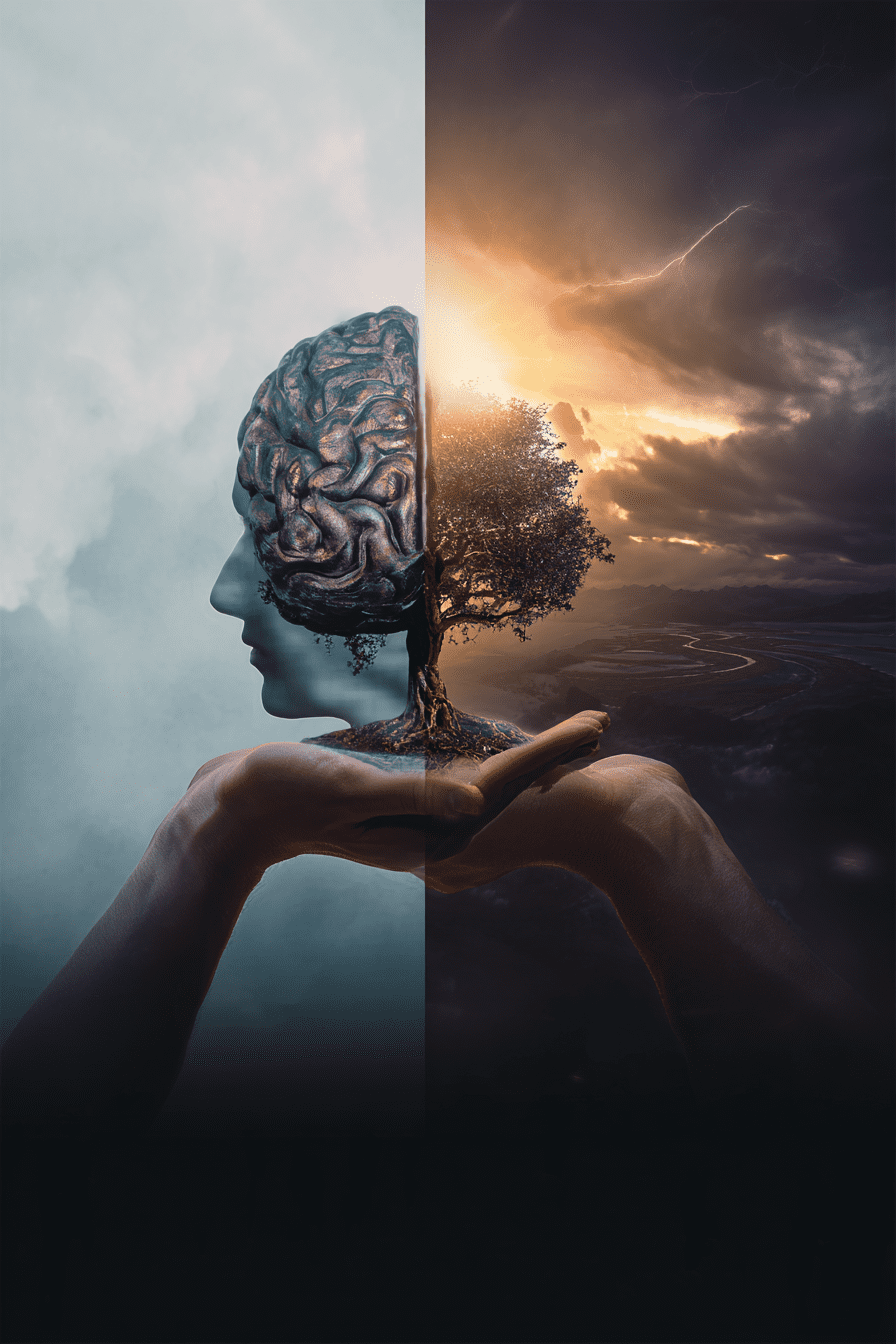
The central point of Rumi’s philosophy is the idea that we are more than just our bodies and minds. In the heart of every human being, there is a divine spark, an inner light waiting to be discovered. Our life’s journey is about turning our gaze from the outer world and diving deep within ourselves to find this source.
Rumi wrote:
“What you seek is seeking you.”
His poetry is full of metaphors that remind us of this. He compares the soul to a drop of water longing to return to the ocean, or to a lost treasure hidden in the ruins of our ego. This inward journey is not an escape from life, but a way to experience it more fully. When we connect with our inner divinity, we begin to see meaning in chaos, beauty in imperfection, and love in everything around us.
For modern individuals living in a constant rush, noise, and distraction, Rumi’s teachings are like a soothing balm. They remind us that peace and fulfillment do not depend on external circumstances, but on our relationship with ourselves. Instead of searching for happiness in the next achievement or material possession, we can find it in the silence of our own hearts.
Love and Unity – The Foundation of Rumi’s Philosophy
If the journey inward is the path, then love, according to Rumi, is the vehicle. But this isn’t just about romantic or sentimental love, though that has its place. Rumi speaks of a cosmic love, an all-encompassing force that is the very fabric of the universe. It is a love that dissolves the boundaries of the ego, connecting us with other people and with the divine.
“Your task is not to seek for love, but merely to seek and find all the barriers within yourself that you have built against it.”
This is one of his most powerful messages. Love is our natural state. It is fear, judgment, and the ego that build the walls separating us from it. The spiritual work lies in tearing down these walls.
The universality of this message allows Rumi to speak to people regardless of their faith. His famous invitation reads:
“Come, come, whoever you are. Wanderer, worshiper, lover of leaving. It doesn’t matter. Ours is not a caravan of despair. Come, even if you have broken your vows a thousand times. Come, yet again, come, come.”
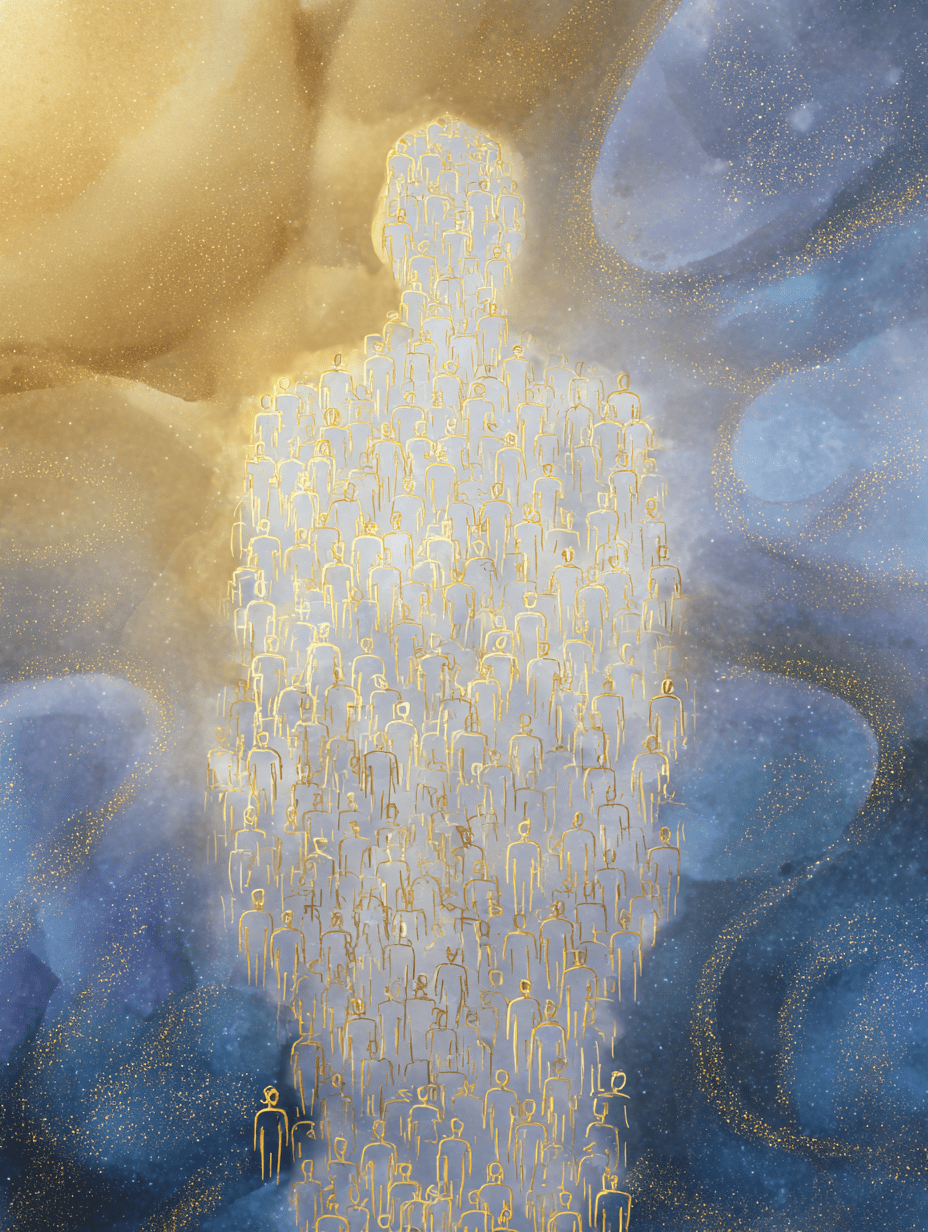
In today’s polarized world, where it’s so easy to divide people into “us” and “them,” Rumi’s words about love and unity are desperately needed. They remind us that beneath the surface of cultural, religious, or political differences, we are all connected by an invisible thread of humanity.
Dancing with the Divine – The Whirling Dervishes
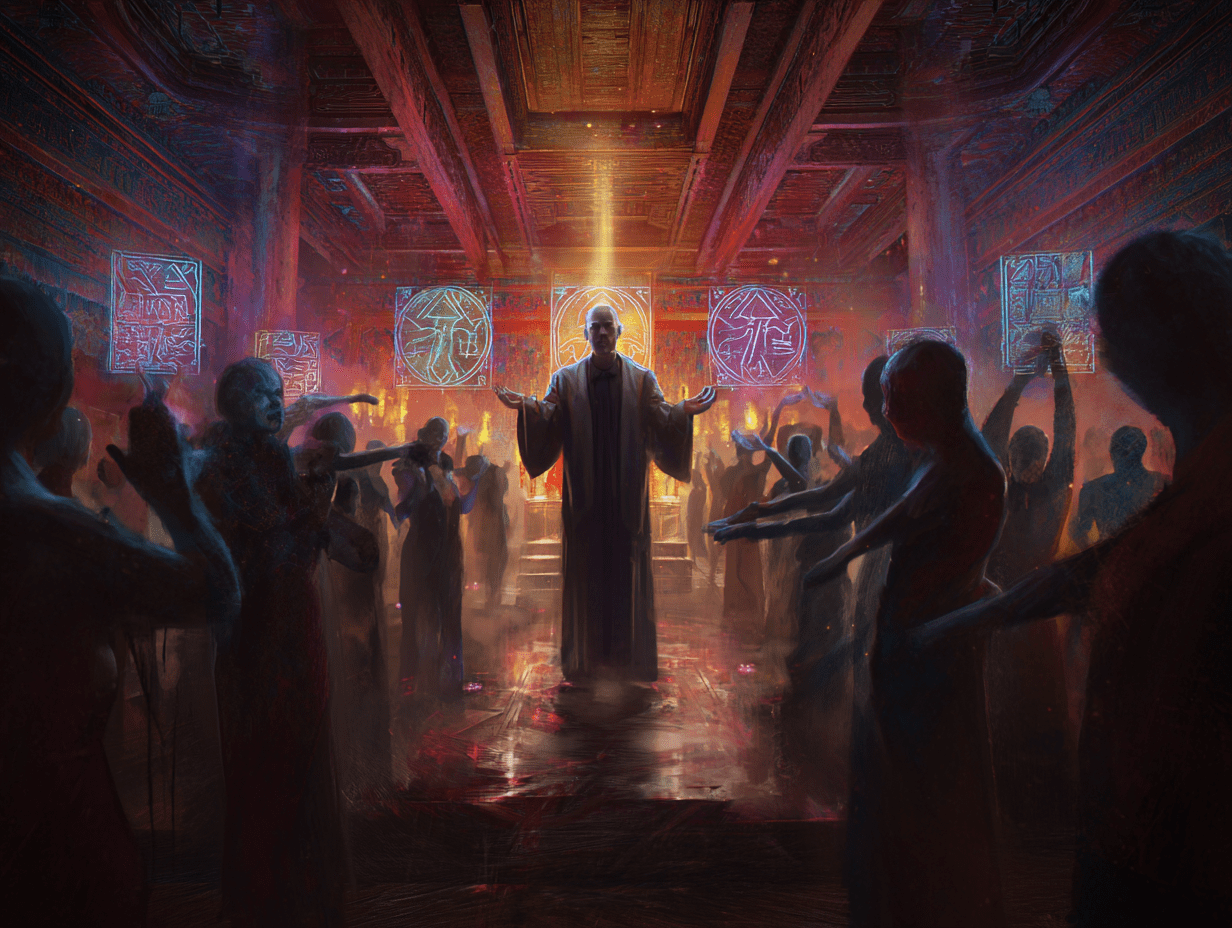
Rumi didn’t just write about spiritual ecstasy—he experienced it. One of the most famous expressions of his spirituality is the practice of Sama—a moving meditation known as the dance of the whirling dervishes. Legend says that as Rumi was walking through a marketplace, he heard the rhythmic hammering of goldsmiths. The sound sent him into a trance, and he began to spin, feeling a sense of oneness with everything around him.
The whirling dance became a symbol of Sufi philosophy. The dervish, with one hand raised to the sky to receive divine energy and the other pointed toward the earth to channel it to the world, becomes a symbolic conduit between heaven and earth. The spinning symbolizes the planets’ orbit around the sun and the rotation of everything in the universe, with the goal being to abandon the ego and unite with the divine.
This is a beautiful metaphor for spiritual practice. We don’t have to literally whirl to experience what Rumi did. We can find our own “dance”—a form of expression that allows us to move beyond the limitations of the mind and feel a deeper connection. It could be meditation, a walk in the woods, painting, music, or any other activity that brings us into a state of flow and presence.
Lessons from Rumi for the Modern World
How can the wisdom of a 13th-century mystic help us in the 21st century? More than you might think. His teachings offer practical guidance on how to cope with the challenges of modern life:
- For stress and burnout: Rumi teaches us to slow down and look inward. Instead of the constant chase, he offers meditation and reflection as tools to find inner peace.
- For a sense of meaninglessness: His poetry reminds us that the meaning of life isn’t found in grand achievements, but in the daily experience of love, beauty, and gratitude.
- For spiritual crises: Rumi shows that pain and loss can be powerful catalysts for transformation. Instead of running from difficult emotions, he encourages us to embrace them and let them become our teachers.
His quotes can serve as daily affirmations, reminding us of the spiritual path:
“The wound is the place where the Light enters you.”
Timeless Message of Rumi: Love as the Path to Unity
Rumi’s message of love transcending all divisions is incredibly relevant today. It has inspired not only mystics but also thinkers, artists, and spiritual leaders around the world. His influence can be seen in the work of many contemporary spiritual teachers who, like him, emphasize the universality of the spiritual experience beyond religious dogma.
His teachings show that true change in the world begins in the heart of each of us. Building a more compassionate and unified society is only possible when we learn to look at others through the lens of love, not fear.
Conclusion and Inspiration for the Journey
Rumi is not a figure from a dusty history book. He is a living guide whose voice can accompany us on our own journey. His poetry is a mirror in which we can see the longing of our own soul. His philosophy is a compass that points the way home—to the divinity we carry within.
I encourage you to pick up his work, to read his verses slowly, and to let them resonate in your heart. Let them become an inspiration for reflection on your own life, your own path, and your own understanding of love. Perhaps, like Rumi, you will discover that what you were searching for on the outside has been within you all along.
I’ll leave you with one of my favorite quotes, which perfectly sums up the essence of his wisdom:
“Yesterday I was clever, so I wanted to change the world. Today I am wise, so I am changing myself.”
If my writing has inspired or helped you, I would be grateful for your support.
Need support yourself? Discover how I can help you.
AI Disclosure
I see my thoughts as the essence, much like the soul, and AI helps me give them form. It supports me with research, translation, and organizing ideas, but every perspective is my own. Curious how I use AI? Read more here.