A Personal Fascination and a Healthy Dose of Skepticism
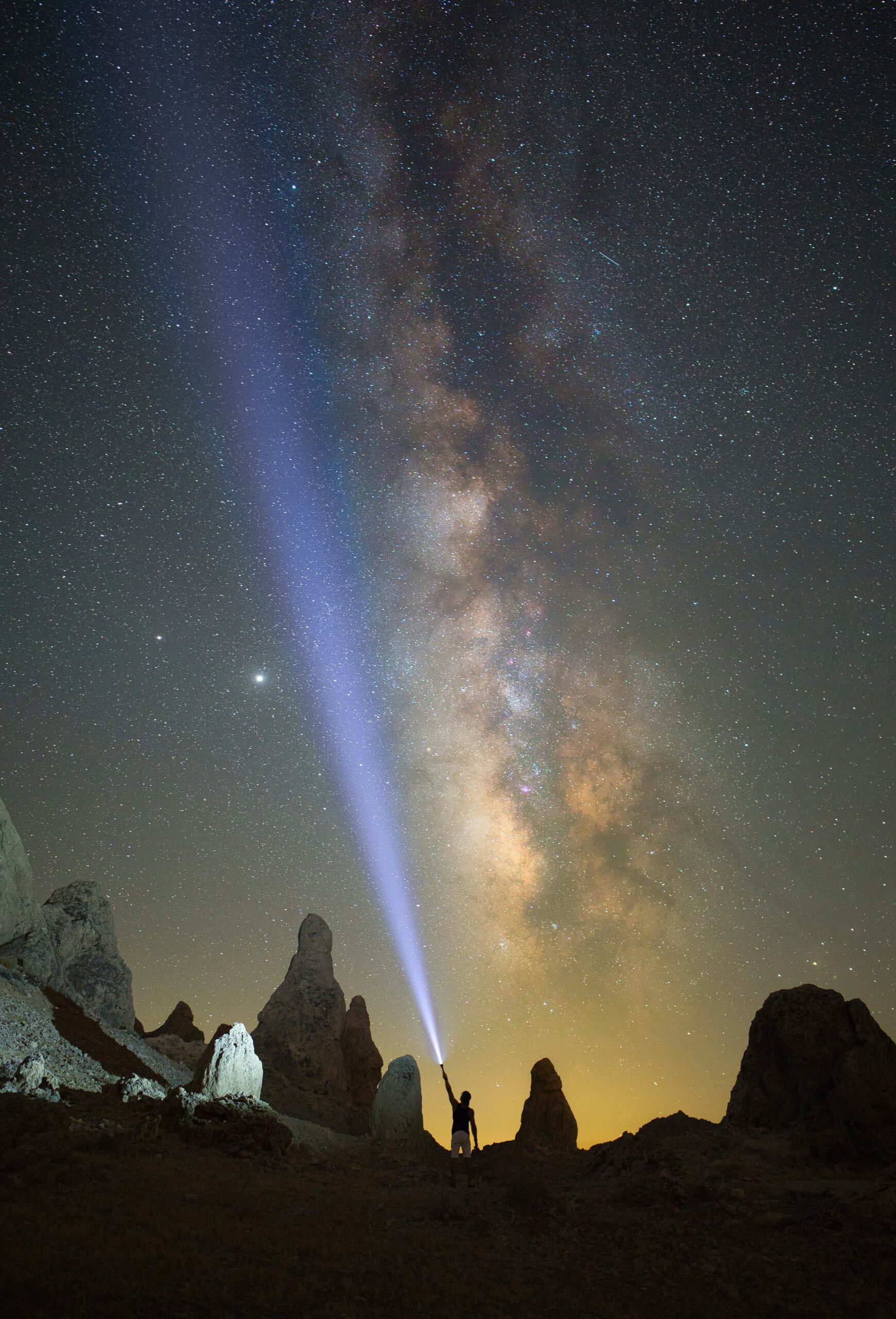
I can stare at the night sky for hours. The vastness of the universe and the glow of the stars have always captivated me, but that fascination has never translated into a belief that planetary alignments can genuinely shape our lives. I treat horoscopes like fortunes from a cookie—a fun novelty that might spark a moment of reflection, but nothing more. I even know physicists who create astrological charts for fun; once you understand the mechanics behind them, it’s hard to see them as anything but a pastime.
Still, I get why astrology has captured the human imagination for thousands of years. It’s an attempt to find order in chaos, to give meaning to events, and to connect our small, human world with the vast cosmos. Today, I see it mostly as a cultural phenomenon that says a lot about our needs and how we interpret reality.
Astrology in Daily Life: Practical Applications
Although I approach astrology with skepticism, I see how many people find practical value in it. Some use it as a planning tool—for instance, checking a horoscope before making a major decision, like changing jobs or setting a wedding date, believing that a favorable planetary alignment might support their actions. Others treat it as a way to cope with emotions. In difficult times, a horoscope might offer a sense that a current struggle is part of a larger, cosmic cycle, which can bring comfort and hope. This shows how astrology can function as a form of psychological support, regardless of its scientific validity.
Astrology and Science: What Does the Research Say?
My reluctance to treat astrology as a science isn’t just a whim. During some of my life’s tougher moments, while searching for spiritual meaning, I explored the topic with an open mind and looked for real evidence. I came across several thorough scientific studies that shaped my perspective.
One of the most significant is the Shawn Carlson experiment, published in the prestigious journal Nature in 1985. In this double-blind test, renowned astrologers were tasked with matching birth charts to psychological profiles. The results? They were no better than random guessing. This study remains one of the strongest arguments against the scientific value of astrology.
Other studies only confirm this:
- Meta-analyses: After reviewing over 40 studies involving 700 astrologers and 1,000 horoscopes, researchers found that their predictive accuracy did not exceed chance, especially when obvious clues like birth dates were removed.
- “Time twins” research: Scientists followed the lives of people born in the same place at the same time (within minutes of each other). They found no meaningful similarities in their personality traits or life paths.
These findings make it clear that there is no hard evidence behind astrology. My position is based on a search for truth and a reliance on data, not on prejudice.
Astrology in a Spiritual Context: From Antiquity to Today
Although science dismisses astrology, it has been inextricably linked with spirituality for centuries. In many cultures, it was an integral part of the search for meaning.
- In ancient India, Vedic astrology (Jyotish) was and still is seen as the “science of light,” helping to understand karma and the soul’s life path.
- In Renaissance Europe, astrology experienced its golden age, with even prominent astronomers like Johannes Kepler practicing it as a way to understand the divine order of the universe.
Today, my own curiosity leads me toward theories that connect quantum physics with consciousness, as proposed by physicist Amit Goswami. He suggests that consciousness is not a byproduct of matter but a fundamental element of the universe. While science has yet to confirm this, this direction feels more promising to me than traditional astrology.
Astrology as a Tool for Self-Discovery
Despite my skepticism, I recognize how astrology can serve as a powerful tool for self-discovery. In this light, it is not a map that dictates our fate, but a mirror in which we can see ourselves. The archetypes of zodiac signs and planetary symbolism can become a prompt for reflection on our own character, weaknesses, or potential.
Realizing that certain tendencies might be linked to the traits assigned to our sign can help us look at ourselves with more compassion. Instead of asking, “Why am I like this?” we might start to wonder, “How can I use these traits for my growth?”
Practical Takeaways to Finish
Spirituality is an individual journey where everyone seeks their own answers. For some, the inspiration will be astrology; for others, it will be meditation, philosophy, or science. The key is to maintain a balance—drawing inspiration from various sources without giving up critical thinking and responsibility for our own choices.
Here’s how you can use astrology consciously:
- Treat it as a starting point for reflection, not as a final verdict.
- Analyze the archetypes of the zodiac signs to better understand your strengths and weaknesses.
- Remember that you have free will. Astrology may suggest certain tendencies, but you are the one who decides your actions.
Even though astrology isn’t my path for personal growth, I’m genuinely curious about the experiences of others. Perhaps your stories will help me see this topic from a new perspective. What are your thoughts? Has astrology played a meaningful role on your path? Share your reflections in the comments.
Support My Work
If my writing has inspired or helped you, please consider supporting my work. You can buy me a coffee via Buy Me a Coffee or support me through PayPal.
Your support means the world—thank you!