What if spirituality could be your anchor in life’s storms? As Eckhart Tolle once said, “You find peace not by rearranging the circumstances of your life, but by realizing who you are at the deepest level.” We often think of spiritual practices as something reserved for quiet moments or meditation retreats. But their true power is revealed when life throws its toughest challenges our way. These are not tools for escape, but powerful instruments for building resilience that allow us not only to survive but to grow in the face of hardship.
Recent research underscores the impact of spiritual practices on well-being. For example, a 2009 study published in Psychological Bulletin found that those who regularly engage in practices like mindfulness and prayer experience lower levels of depression and anxiety, as well as improved coping skills (Smith, J.M. et al., 2009). Dr. Robert Emmons, a leading gratitude researcher, has shown that keeping a gratitude journal can result in higher levels of optimism and life satisfaction. This growing body of evidence supports what spiritual leaders and psychologists have long encouraged: connecting with something greater than ourselves can help us find meaning and courage during difficult times.
Understanding Resilience Through a Spiritual Lens
Resilience is the ability to bounce back from difficult experiences. But spirituality adds a deeper dimension to this idea. It’s not just about getting back on your feet; it’s about finding meaning in the struggle and connecting with something larger than yourself.
When we look at adversity through a spiritual lens, challenges stop being mere obstacles. They become opportunities to learn, strengthen our character, and deepen our understanding of ourselves and the world. Spirituality provides a sense of hope and a perspective that extends beyond temporary difficulties, giving us the strength to move forward even when it feels impossible.
The Science of Spirituality and Resilience
While spirituality is a deeply personal experience, its impact on our mental and physical health is well-documented. Research continues to reveal just how much spiritual practices support resilience—not only by lifting our spirits, but by actually changing our brains and bodies.
- Stress Reduction: Studies show that practices like meditative prayer and mindfulness lower levels of cortisol, the primary stress hormone, which helps calm the nervous system. A 2010 Harvard study led by Dr. Sara Lazar found that regular mindfulness meditation was linked to reductions in the size of the amygdala, the brain’s center for stress and fear responses. This suggests spiritual practices can physiologically dial down our reactivity to stress.
- Improved Mental Health: Research from the University of California, Davis, has demonstrated a strong link between gratitude journaling and lower rates of depression and anxiety. In a landmark 2003 study, Dr. Robert Emmons and Dr. Michael McCullough asked participants to keep daily or weekly gratitude lists. After just ten weeks, those participants reported feeling more optimistic and experienced fewer physical symptoms of illness compared to control groups.
- A Sense of Purpose: Spirituality helps people find meaning in difficult events, which is a key factor in building resilience and experiencing post-traumatic growth. Dr. Viktor Frankl, a Holocaust survivor and psychiatrist, wrote about the critical role of meaning in enduring adversity, and modern studies support this. For example, research published in The Journal of Positive Psychology in 2014 found that people who connected daily stress to a larger sense of meaning were more optimistic and adaptable during hard times.
Beyond mood and perspective, scientists have discovered that regular spiritual practice can actually “rewire” the brain. This happens thanks to neuroplasticity—the brain’s lifelong ability to form and reorganize synaptic connections in response to learning and experience. Practices like meditation and prayer have been shown, through MRI studies, to thicken the prefrontal cortex (responsible for emotional regulation) and strengthen neural pathways that support calm, focus, and compassion. This means that over time, spiritual practices don’t just help us cope—they build up our mind’s ability to face adversity with greater clarity, acceptance, and resilience.
Five Spiritual Practices to Build Resilience
You don’t need to go on a retreat to reap the benefits of spirituality. Here are five simple practices you can incorporate into your daily life.
1. Gratitude Journaling
Every day, write down three things you are grateful for. This simple act shifts your focus from what you lack to the abundance that already exists in your life, transforming your entire perspective.
2. Meditative Prayer
Find a few moments of silence to quiet your mind and connect with a higher power, the universe, or your inner self. You don’t have to ask for anything specific; just being in the presence of that energy can bring peace and clarity.
3. Sacred Rituals
Turn everyday activities into moments of spiritual reflection. Lighting a candle with your morning coffee, mindfully sipping tea, or taking a short, silent walk can become your personal rituals that center and calm you.
4. Community Connection
The strength that comes from supporting others is immeasurable. Getting involved in a community—whether it’s spiritual, local, or based on a hobby—provides a sense of belonging and reminds you that you are not alone in your struggles.
5. Nature as a Spiritual Practice
Spending time in nature is one of the easiest ways to feel grounded and regain perspective. Observing the cycles of nature reminds us of decay and rebirth, offering hope during difficult times.
Personal Reflection: My Journey with Spiritual Resilience
A few months ago, I found myself in one of the most challenging periods of my life. Work demands seemed endless, my marriage was unraveling, and I was suddenly facing the reality of single parenthood. With so much weight on my shoulders, I realized I needed more than just practical coping strategies—I longed for a deeper sense of meaning and inner strength.
This search for something deeper led me to explore the world of spirituality more intentionally. Reading books like Physics of the Soul by Amit Goswami opened my eyes to a new perspective: that we are much more than our physical bodies and daily struggles. Goswami’s ideas about the soul and consciousness encouraged me to reflect on my own spiritual nature and to see life’s hardships as opportunities for growth and transformation, not just obstacles to be endured.
The turning point in my practice was embracing conscious breathing. No matter how chaotic my day became, I would pause—even for just a few moments—to focus on my breath. Placing a hand on my chest or belly, I’d breathe slowly and deeply, letting each inhale and exhale ground me in the present. These mindful pauses became my lifeline, helping me interrupt cycles of anxiety and regain clarity, even during the toughest times at work or moments of exhaustion as a single parent.
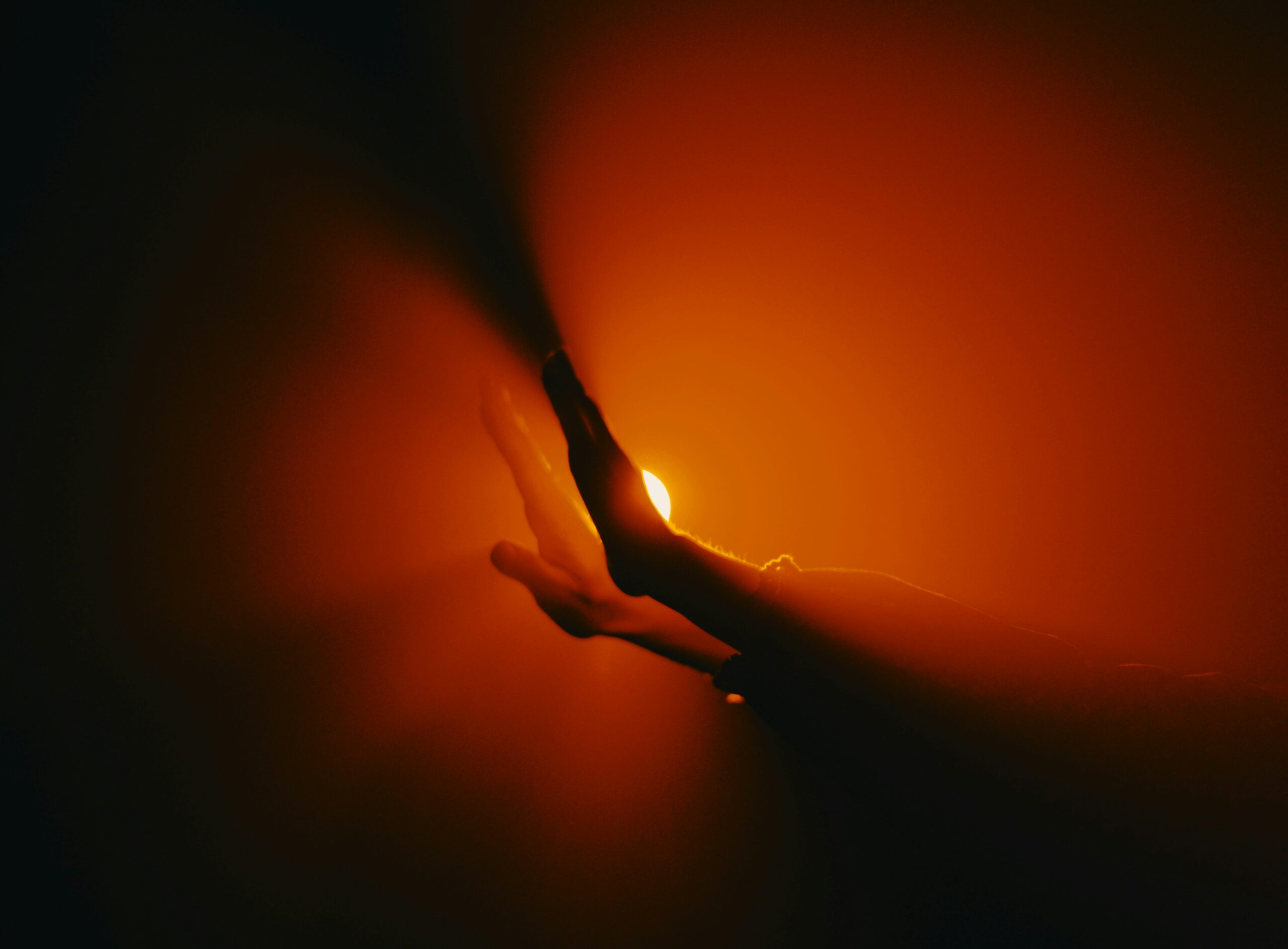
Alongside breathwork, I began practicing body awareness. I’d take time to notice the feeling of my hands—watching their movements, sensing their warmth—or ground myself by feeling my feet firmly on the floor. These small, mindful acts became reminders of my presence and resilience, especially when my mind was overwhelmed by worries.
As I delved into these spiritual practices, I noticed a fundamental shift: instead of seeing my struggles—at work, at home, or in relationships—as pure adversity, I started to view them as invitations to look deeper. What was my soul seeking in these moments? How could I cultivate not just survival, but genuine growth and connection with myself and others? I found myself naturally extending more compassion, both to those around me and to myself, and I saw how even challenges could be woven into my spiritual journey.
Over time, these practices didn’t erase the realities of stress, heartbreak, or responsibility—but they completely transformed how I related to them. Conscious breathing offered steadiness; body awareness fostered self-acceptance; reflection on my soul and spiritual readings like Goswami’s gave my experiences a greater sense of purpose. My day-to-day life became less about “just getting through” and more about engaging with each moment as a chance for spiritual growth.
Spiritual practices like these have become the foundation of my resilience. They don’t shield me from storms, but they give me the perspective and presence to weather them with courage, patience, and hope. I continue to discover that spirituality isn’t something separate from daily life—it is the very force that transforms every challenge into an opportunity to connect with my soul and grow stronger through it all.
Making Spirituality a Daily Habit
Integrating spiritual practices into your daily life doesn’t require a revolution. The key is consistency, not intensity. Start with small steps. Choose one practice that resonates with you and dedicate just five minutes a day to it. It could be a morning meditation, evening journaling, or a mindful walk during your lunch break. Over time, this small habit will become a natural and invaluable part of your day.
Conclusion: The Transformative Power of Spirituality
Spirituality isn’t about escaping challenges—it’s about finding the strength to face them with grace and courage. It’s about discovering a deep well of resilience within you that allows you not only to weather the storms but to emerge from them wiser and stronger. Your spiritual path is unique—start walking it today.
A Challenge for You Today:
Have you ever wondered which spiritual practice could offer you the most support right now? Do you feel drawn to some practices more than others, but aren’t sure where to start?
Take this quick checklist to find your starting point:
- Do you feel most at peace when reflecting on things you’re grateful for?
→ Try Gratitude Journaling - Craving a quiet mind and inner stillness?
→ Try Meditative Prayer - Does the simple comfort of a daily routine help ground you?
→ Try Sacred Rituals - Are you energized by connection with others?
→ Try Community Connection - Do you feel restored after spending time outdoors?
→ Try Nature as a Spiritual Practice
Choose the practice that fits where you are right now—or try a combination! I encourage you to commit to one spiritual practice for the next week. It could be keeping a gratitude journal, saying a short daily prayer, or meditating.
After a week, ask yourself: How did it affect your mood and perspective? Did you notice any change in how you handle daily stress? Share your experiences in the comments or tell a loved one about it.
Support My Work
If my writing has inspired or helped you, please consider supporting my work. You can buy me a coffee via Buy Me a Coffee or support me through PayPal.
Your support means the world—thank you!