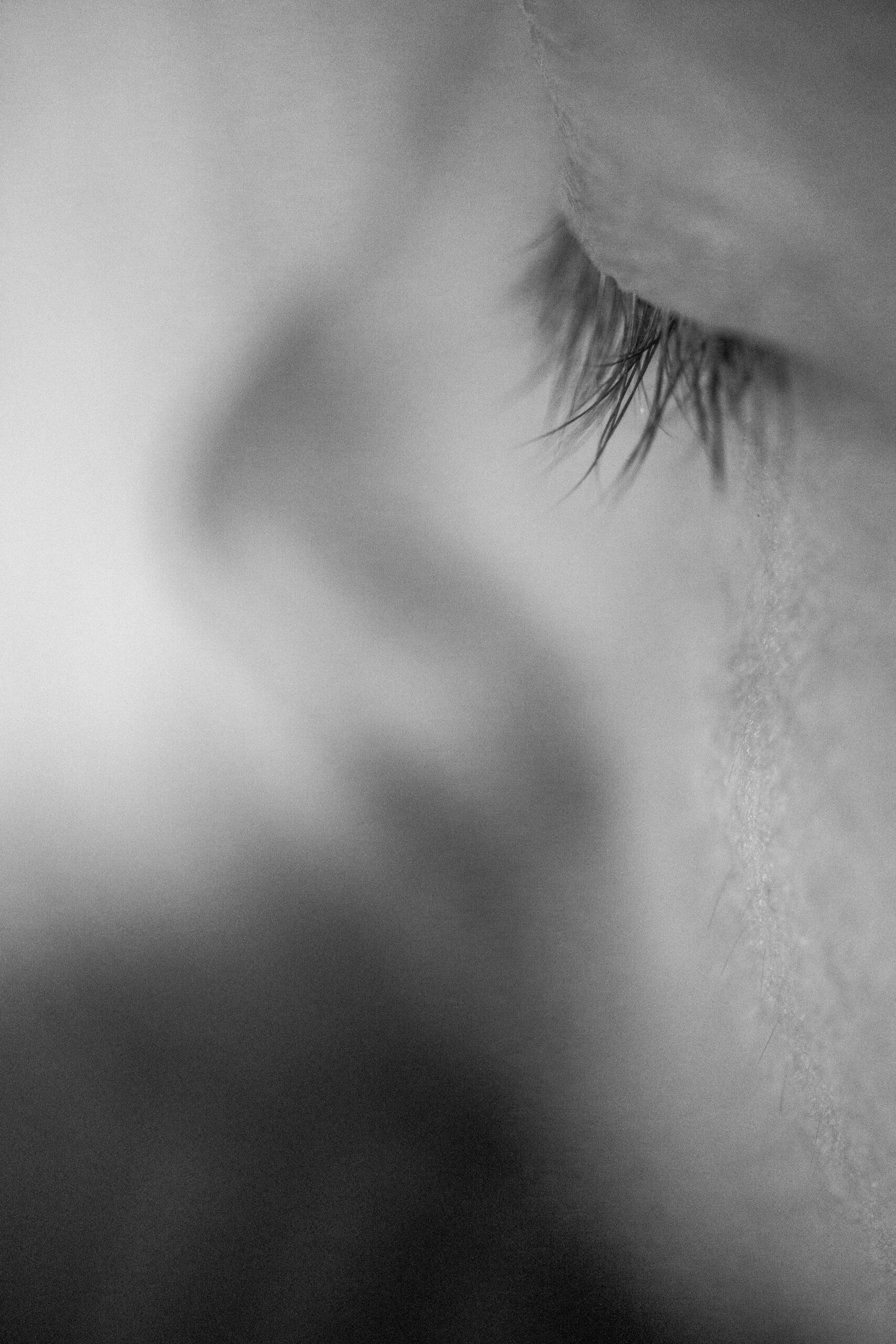
For a long time, I underestimated just how important sleep truly is. I’m not a sleep specialist—far from it. But after struggling with poor sleep for years, I realized that quality rest is the quiet foundation holding up every part of my life. Without it, everything else—my health, work, mood, even the simple joy of everyday living—would start to fall apart.
My Struggles with Sleep (And Why It Matters)
Looking back, sleep (or the lack of it) shaped my days in ways I couldn’t ignore. I tried to get by with little rest, thinking willpower would carry me through. Bad idea. Over time, I noticed weight gain, brain fog, irritability, and a total lack of motivation. I wish I had learned sooner what science confirms today:
- Sleep restores your mind and body: Dr. Matthew Walker, sleep scientist and author of Why We Sleep, says, “Sleep is the single most effective thing we can do to reset our brain and body health each day.”
- Impacts emotional and physical health: Research from the Harvard Medical School shows chronic sleep deprivation increases the risk of obesity, diabetes, mood disorders, and weakens the immune system.
- Builds resilience in crisis: A study in Sleep Medicine Reviews found that better sleep improves emotional regulation, which is key during tough times.
- Prevents unnecessary crises: What’s even more surprising is that good sleep can actually help us avoid many personal and relationship crises before they start. Studies have found that sleep deprivation increases conflict and emotional reactivity in relationships. For example, research from UC Berkeley shows that couples are more likely to argue and feel less gratitude toward each other after poor sleep. Poor sleep also makes it harder to regulate emotions and communicate, which can strain even the strongest bonds. Over time, chronic lack of rest is linked to a higher risk of relationship breakdowns and persistent feelings of frustration or sadness.
So, sleep isn’t just about surviving tough moments—it’s a daily act of self-care that can keep many crises from ever happening. If you’re struggling, getting better sleep can be the turning point. And if life feels good, protecting your rest will help you keep it that way.
What Actually Helped Me Sleep Better
After trying countless “sleep hacks,” a few practical changes genuinely worked for me. I’m just sharing what made a real difference in my life—hopefully some ideas will help you too.
Consistent Wake-Up Time (More Important Than Bedtime!)
For years, I obsessed over my bedtime, but it wasn’t until I heard from sleep experts that waking up at the same time every day matters even more. Dr. Michael Breus, a clinical psychologist and sleep specialist, recommends this as the gold standard for sleep regulation. Now, I keep my wake-up time within an hour or two, even on weekends. It was tough at first, but my body clock feels more stable, and I fall asleep more easily at night.
Rethinking My Evening Habits
Here’s where I made big changes:
- Movies, Books, & Podcasts: I loved watching dramatic movies or bingeing on exciting shows, but studies show that stimulating, emotional content can delay sleep (Journal of Sleep Research, 2022). For me, swapping those late-night films or intense podcasts for reading on an ebook reader, listening to audiobooks, or putting on relaxing music made a real difference. Depending on my mood, choosing a calm book or gentle music helped me unwind and fall asleep more easily.
- No Doomscrolling: Turns out, blue light from screens delays melatonin production, seriously impacting sleep quality (Harvard Health Publishing, 2020). Cutting out screens at least 30 minutes before bed helps me wind down.
- Exercise: My own experience matches the science: vigorous late-night exercise can disrupt sleep onset, but gentle activity or movement earlier in the day promotes better sleep (Sleep Medicine Reviews, 2019).
Mindfulness & Breathing (Yes, the Science Backs It Up)
When my mind wouldn’t switch off, I started mindfulness and breathing practices. Studies from Stanford University show that mindful breathing can reduce anxiety and help people fall asleep faster. Even simple practices—like focusing on each breath or a few minutes of meditation—have helped me quiet racing thoughts.
Fresh Air and Exposure to Light
Spending time outside, especially in the morning, has been a game-changer. Exposure to natural light helps regulate circadian rhythms, according to the Sleep Foundation. Nature walks always boost my mood and help my body know when it’s time to rest.
The Truth About “Sleep Disruptors”
Here’s what I wish I’d accepted earlier—not just for health, but for my relationships and peace of mind:
- Alcohol: A drink might make me sleepy, but it reduces REM sleep and leaves me groggy (Why We Sleep, Matthew Walker).
- Nicotine: As a stimulant, nicotine makes it harder to fall and stay asleep (Centers for Disease Control and Prevention).
- Marijuana: While cannabis can help people fall asleep, research shows it decreases restorative REM sleep, which is essential for memory and emotional health (Current Psychiatry Reports, 2017).
- Sleep Aids: Sleeping pills might be necessary sometimes, but experts caution they’re best for short-term use. Building healthy habits has been more effective for me.
What surprised me most in my sleep journey is how much sleep—or lack of it—affected my closest relationships. Studies show that sleep deprivation doesn’t just make us tired; it can make us more easily irritated, less patient, and prone to arguments with people we care about. Exhaustion drains our emotional resources, leaving us too tired for gratitude or kind words. Over time, this can lead to more frequent conflicts, distance, and even relationship breakdowns. Getting enough good-quality sleep isn’t just crucial when you’re in a crisis—often, it’s what protects you from spiraling into one in the first place.
You don’t have to be an expert to benefit from understanding sleep cycles. Our sleep moves between deep sleep (NREM)—critical for physical recovery—and REM, which helps process emotions and memories. Protecting these cycles means protecting my overall wellbeing.
What’s Worked for Me
I still don’t have perfect sleep every night, but here’s what helped most:
- Waking up at the same time each day (even on weekends)
- Avoiding emotionally charged content before bed
- Staying off social media at night
- Daytime movement, gentle evening activity
- Mindfulness, meditation, and time outside
- Watching out for substances that disrupt sleep
I’m sharing my story—and what the science says—because I know how frustrating sleep problems can be. I’m not an expert, but these simple changes (supported by research) made a huge impact on my life. Maybe some of them will work for you, too.
A Challenge for You Today:
Reflect on your sleep habits. Is there one small change you could make tonight—like setting a consistent wake-up time, switching off your phone 30 minutes before bed, or trying a few minutes of deep breathing? Pick one and try it this week. Notice how you feel, and give yourself credit for every small step toward better rest.
Support My Work
If my writing has inspired or helped you, please consider supporting my work. You can buy me a coffee via Buy Me a Coffee or support me through PayPal.
Your support means the world—thank you!