Can the simple act of believing in healing actually make you better? It sounds like magic, but science suggests it’s a very real biological phenomenon. We often think of medicine as purely chemical—a pill, a surgery, a treatment—but what if a significant part of the cure lies within your own mind?
Let me share an experience from my own life. There have been moments when I’ve felt completely drained, as if I had no energy left to give. During those times, I’d remind myself that I could choose how to respond—I’d tell myself, “I decide whether I have the strength or not.” Strangely enough, this simple affirmation would actually boost my energy. My body seemed to respond, mobilizing itself to meet the challenge ahead. Lately, I’ve been combining this approach with mindfulness, especially during difficult moments. When something frustrates me, I pause and remind myself that it’s just the physical world—I have the power to respond positively, regardless of my circumstances. This mindset doesn’t mean avoiding challenges; instead, it helps me face them with more ease and energy. In fact, approaching tasks without stress makes them feel lighter, and I find myself more capable.
Looking back, I realize this process embodies the placebo effect: using the power of expectation and belief to shape my physical and emotional state, even without any external treatment. It’s a reminder that our thoughts, especially positive ones, can play an active role in our well-being.
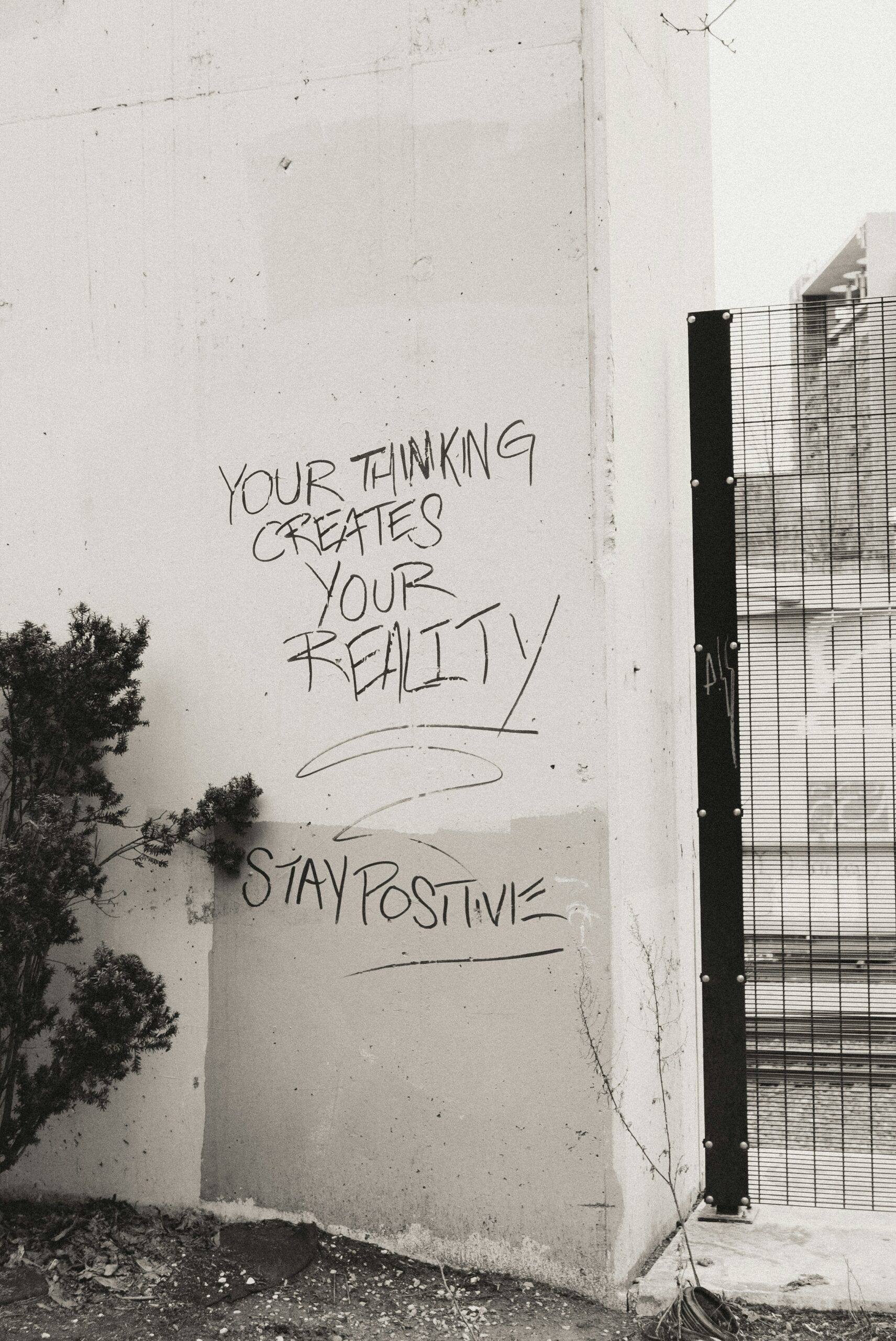
This is the essence of the placebo effect. It challenges the rigid boundaries we often place between the mind and the body, suggesting that our expectations, hope, and trust can trigger profound physiological changes. In a world where we often feel powerless in the face of illness or crisis, understanding the placebo effect offers a reminder: we are active participants in our own healing.
What Is the Placebo Effect?
At its core, the placebo effect occurs when a patient experiences a real improvement in their condition after receiving a treatment that has no active therapeutic ingredient—like a sugar pill or a saline injection. The improvement isn’t caused by the substance itself, but by the patient’s belief that it will help.
For decades, the placebo effect was dismissed as “just in your head” or a nuisance that interfered with clinical trials. Today, however, it is recognized as a legitimate psychobiological event. Multiple studies have demonstrated real physiological and neurological changes brought about by the placebo effect. For example, Psychology Today has highlighted research indicating that belief alone can stimulate healing responses in the body. It’s the positive counterpart to the nocebo effect, where negative expectations cause harm. While the nocebo effect shows us how fear can hurt, the placebo effect demonstrates how hope can heal.
The Science Behind the Placebo Effect
The placebo effect isn’t just about “thinking positive”—it involves complex neurobiology. When you expect a treatment to work, your brain initiates a cascade of chemical reactions that mimic the effects of real medication.
- Natural Painkillers: Research shows that when people believe they are taking a painkiller, their brains release endorphins and enkephalins—natural opioids that block pain signals.
- Dopamine Release: Expecting a reward (like feeling better) stimulates the release of dopamine, a neurotransmitter associated with pleasure and motivation. This is particularly evident in studies involving Parkinson’s disease, where placebo treatments have been shown to improve motor function by boosting dopamine levels.
- Reduced Stress Response: Trusting a doctor or a treatment can lower cortisol levels (the stress hormone), allowing the immune system to function more effectively.
In essence, your brain acts as an internal pharmacy, dispensing the chemicals needed for healing based on your expectations and environment.
Placebo in Spirituality and Everyday Life
The connection between belief and biology isn’t new to spiritual traditions. For centuries, healers, shamans, and religious leaders have understood that rituals, symbols, and faith can catalyze recovery. Practices like prayer, meditation, chanting, and even the simple act of lighting a candle or repeating an affirmation are powerful illustrations of the placebo effect at work. When someone prays for healing or meditates on peace, they’re not just invoking the sacred—they’re creating a mental and physical environment primed for well-being. Guided meditations, communal worship, and spiritual songs can trigger hope, calm the nervous system, and foster trust in a positive outcome, which are all the core ingredients of the placebo response. These practices don’t replace medical treatment but can complement it by awakening the body’s intrinsic resources for repair and resilience.
Consider the power of prayer, meditation, or even a comforting ritual like drinking a specific herbal tea when you’re sick. While the tea might have mild physical benefits, the ritual of preparing it and the belief that it nurtures you amplify its effect. Similarly, trusting a spiritual guide or a therapist creates a “therapeutic alliance”—a bond of trust that signals safety to the nervous system, switching it from “fight or flight” to “rest and digest.”
This doesn’t mean the healing is fake. It means that spiritual and emotional practices are powerful tools that speak the language of the body.
Practical Applications of the Placebo Effect
You don’t need a clinical trial to harness the power of the placebo effect. You can ethically use this mechanism to support your own well-being. Here is how:
- Use Daily Affirmations: Start your day with uplifting phrases like “My body is capable of healing” or “I am strong and resilient.” Repeating positive statements helps to reinforce hopeful expectations and cue your mind toward well-being.
- Cultivate Positive Expectations: Before taking a medication or starting a therapy, pause and set an intention. Tell yourself, “This is going to help my body heal.” This primes your brain to respond favorably.
- Create Meaningful Rituals: Turn mundane health habits into rituals. Don’t just swallow a vitamin; take it with a moment of gratitude for your health.
- Visualize Healing: Spend a few minutes a day visualizing your body repairing itself. Picture your immune system as a shield or your cells glowing with energy—visualization activates the same neural pathways as actually experiencing wellness.
- Combine Mindfulness with Intention: When stressful or challenging moments arise, pause, take a breath, and remind yourself that you have the power to choose your response. Consciously choose thoughts and actions that support your well-being.
- Trust Your Care Team: If you feel safe and heard by your doctor or therapist, that relationship itself becomes a healing agent. If you don’t feel that trust, consider finding a practitioner with whom you connect better.
Ethical Considerations
While the placebo effect is powerful, it raises ethical questions. Should doctors prescribe sugar pills without telling patients? Most bioethicists say no—deception undermines trust.
However, there is a fascinating twist: open-label placebos. Studies have shown that even when patients know they are taking a placebo, it can still work, provided they understand the mechanism behind it. This suggests that we don’t need to be tricked to heal; we just need to understand and engage our body’s innate ability to respond to care and ritual.
Conclusion: The Healing Power Within
The placebo effect is not a trick of the mind; it is a testament to the incredible connection between our thoughts and our biology. It reminds us that we are not broken machines waiting to be fixed, but dynamic beings with an innate capacity for restoration.
While medicine and therapy are vital, your belief is the soil in which recovery grows. By nurturing hope, trust, and positive expectation, you become an active partner in your own healing journey.
Your body is listening to your beliefs. What will you tell it today?
A Challenge for You Today:
We often wait for external solutions to fix us, forgetting the pharmacy we carry inside.
Have you ever noticed the placebo effect in your own life, or experienced a time when belief or expectation led to a real change in your well-being? Share your story or thoughts in the comments below—your experience could inspire others on their healing journey.
Your Challenge:
Think of one healthy action you will take today—drinking a glass of water, taking a walk, or eating a healthy meal. Before you do it, pause for ten seconds. Close your eyes and tell yourself: “This simple act is nourishing my cells and strengthening my body.”
Feel the truth of that statement. Notice if this shift in mindset changes how the action feels physically.
Support My Work
If my writing has inspired or helped you, please consider supporting my work. You can buy me a coffee via Buy Me a Coffee or support me through PayPal.
Your support means the world—thank you!