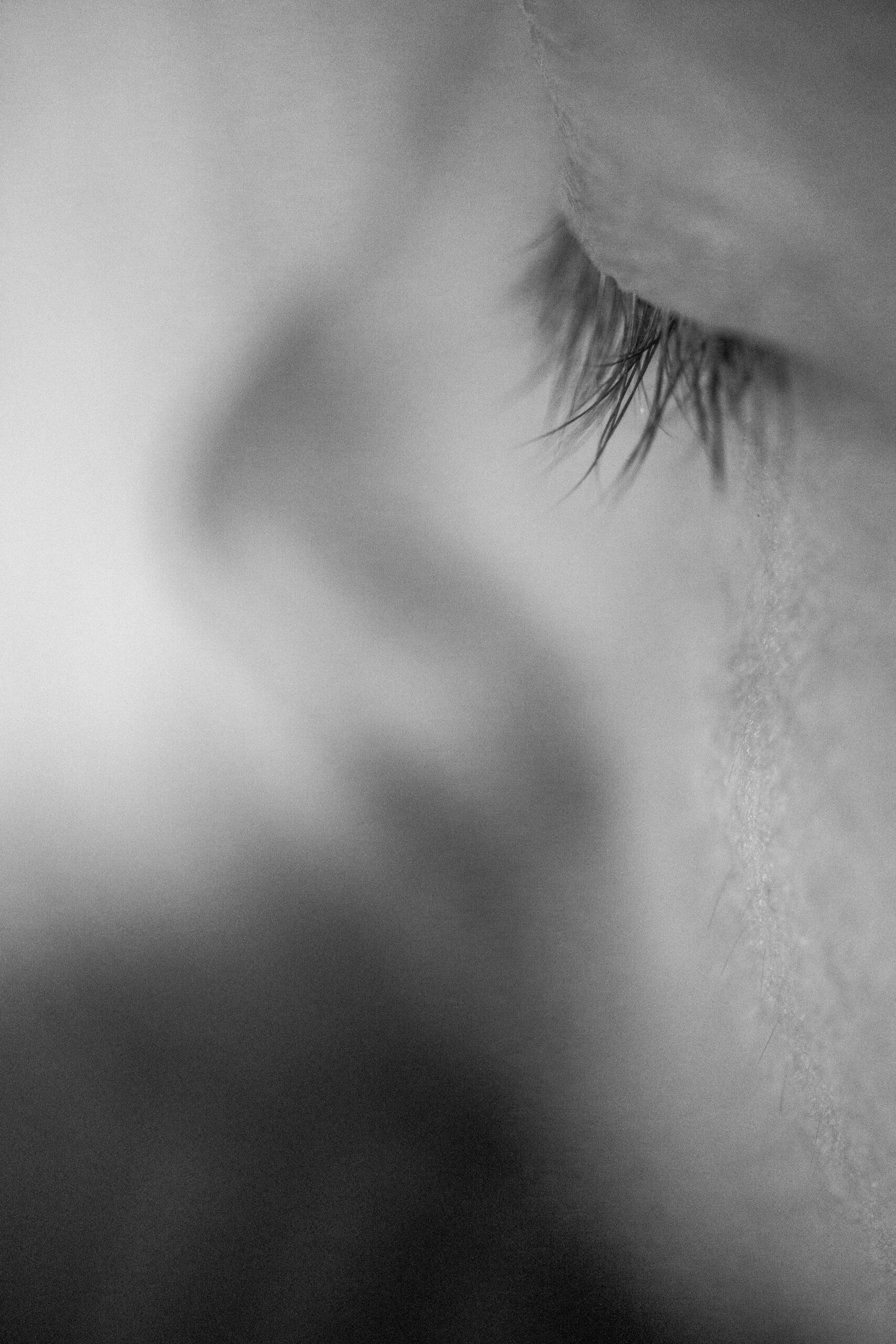

Have you ever felt worse after reading about a symptom online or hearing a negative prognosis? That sinking feeling, paired with a growing sense of dread, might not just be in your head—it could be physically affecting your body. This phenomenon is known as the nocebo effect, and it’s a powerful reminder of how our thoughts can shape our health.
What’s even more fascinating is that research now shows the nocebo effect isn’t just a psychological trick—it has real neurobiological roots. When we expect negative outcomes, our brains trigger chemical responses involving neurotransmitters like dopamine and serotonin, which help regulate mood, pain perception, and overall well-being. When these chemicals fall out of balance due to persistent negative expectations, symptoms become amplified and new health problems may even emerge.
Let me share a personal story. There was a time I became fixated on a series of minor health issues after some late-night internet searching. The more I worried, the more real my symptoms became—my sleep suffered, my stomach was in knots, and my energy vanished. It was only after I consciously started questioning those anxious thoughts and focused on what was actually true in the present moment that the uncomfortable sensations began to fade. That experience taught me firsthand how deeply our mindset and expectations can influence the way we feel, both physically and emotionally.
What Is the Nocebo Effect?
It’s not only medical worries that shape our bodies—our beliefs about aging can have a profound impact too. Studies show that when people expect aging to mean decline and frailty, they’re more likely to experience physical issues and decreased vitality. This is a classic self-fulfilling prophecy: if society tells us that getting older inevitably brings weakness or forgetfulness, our bodies may unconsciously begin to follow along. On the other hand, embracing positive aging narratives—seeing elderhood as a time of growth and possibility—can actually foster resilience and improved health, illustrating just how powerfully our expectations set the stage for our lived reality.
The nocebo effect is the lesser-known counterpart to the placebo effect. While a placebo highlights the healing power of positive expectations, a nocebo reveals the harm caused by negative ones. In simple terms, when we expect something bad to happen—whether it’s a side effect from a medication or a worsening of symptoms—our bodies often respond accordingly.
A classic example comes from clinical trials. In a study on a heart medication, patients were given a sugar pill but were told that a potential side effect was erectile dysfunction. A significant number of men in this group reported experiencing this exact issue, even though they weren’t taking any active substance. Their expectation of a negative outcome was enough to trigger a real, physical symptom.
Another well-known case involves people with lactose intolerance. In a 2001 study, individuals who believed they were drinking milk containing lactose reported digestive symptoms, even when they were actually given a lactose-free drink. The power of their belief produced a physiological reaction.
The Science Behind Negative Thoughts
Negative thoughts don’t just stay in your mind—they ripple through your entire body. When you dwell on fear, worry, or pessimism, your brain activates the stress response. This releases hormones like cortisol and adrenaline which, in small doses, are helpful for survival. But when these hormones flood your system over long periods, they can suppress your immune function, increase inflammation, and even disrupt your digestion.
The good news? There are practical ways to minimize or even prevent the nocebo effect in your life. Studies suggest that actively working to induce a positive mood—through laughter, uplifting music, or time with loved ones—can lower your susceptibility to negative expectations. Education is also key: when you become aware of how your beliefs and expectations can shape health outcomes, you’re empowered to challenge old patterns. Healthcare professionals and individuals alike can benefit from framing health information positively, focusing on coping abilities and resilience, and not overemphasizing rare or mild side effects.
Research in psychoneuroimmunology—a field that studies the interaction between the mind, nervous system, and immune system—has shown that chronic negativity can weaken the body’s ability to fight off illness. For example, a study published in the Journal of the American Medical Association showed that asthma patients who were told they were inhaling an irritant (when it was actually a harmless saline mist) experienced bronchial constriction. Their brains reacted to the suggested threat, leading to a physical response.
Your thoughts can become a self-fulfilling prophecy, turning imagined fears into real physical ailments. If you’re curious about how this works on a deeper level, you might find my article on Feeding Your Brain with Thoughts insightful.
Negative thoughts don’t just stay in your mind—they ripple through your entire body. When you dwell on fear, worry, or pessimism, your brain activates the stress response. This releases hormones like cortisol and adrenaline which, in small doses, are helpful for survival. But when these hormones flood your system over long periods, they can suppress your immune function, increase inflammation, and even disrupt your digestion.
Research in psychoneuroimmunology—a field that studies the interaction between the mind, nervous system, and immune system—has shown that chronic negativity can weaken the body’s ability to fight off illness. For example, a study published in the Journal of the American Medical Association showed that asthma patients who were told they were inhaling an irritant (when it was actually a harmless saline mist) experienced bronchial constriction. Their brains reacted to the suggested threat, leading to a physical response.
Your thoughts can become a self-fulfilling prophecy, turning imagined fears into real physical ailments. If you’re curious about how this works on a deeper level, you might find my article on Feeding Your Brain with Thoughts insightful.
The Role of Mindset in Health
Another important aspect to consider is the influence of healthcare providers on the nocebo effect. When doctors, nurses, or therapists focus too much on potential side effects or risks—sometimes with the best intentions—they can inadvertently amplify a patient’s negative expectations. Even a well-meaning warning about a medication’s mild side effects can lead to those symptoms being experienced more strongly. To counter this, healthcare professionals can choose language that empowers patients and highlights personal strengths or coping skills. For example, instead of emphasizing every possible negative outcome, framing information with reassurance (“Many people tolerate this treatment well, and if you notice anything unusual, we’re here to help”) reduces anxiety and keeps hope at the center of the conversation.
Your mindset is a powerful tool for shaping your health outcomes. In the same way that negative thoughts can harm, positive beliefs can heal. This is where spirituality and psychology intersect. Practices like mindfulness, meditation, and gratitude can help rewire your brain to focus on the present moment and cultivate a sense of peace.
Spiritual traditions often emphasize the power of intention and belief. Whether it’s through prayer, affirmations, or visualization, these practices encourage us to align our thoughts with our desired outcomes. Modern psychology supports this idea. Research, such as that conducted by Barbara Fredrickson, shows that positive emotions can broaden our sense of possibility and build our resilience over time.
Your mindset is a powerful tool for shaping your health outcomes. In the same way that negative thoughts can harm, positive beliefs can heal. This is where spirituality and psychology intersect. Practices like mindfulness, meditation, and gratitude can help rewire your brain to focus on the present moment and cultivate a sense of peace.
Spiritual traditions often emphasize the power of intention and belief. Whether it’s through prayer, affirmations, or visualization, these practices encourage us to align our thoughts with our desired outcomes. Modern psychology supports this idea. Research, such as that conducted by Barbara Fredrickson, shows that positive emotions can broaden our sense of possibility and build our resilience over time.
Breaking the Cycle of Negativity
Cultural beliefs and societal norms play a huge role in shaping our expectations—and this extends to our health and well-being. In some cultures, certain symptoms or ailments are seen as inevitable as we reach a particular age, or there may be widespread beliefs about what it means to be “sick” or “strong.” These collective narratives can significantly influence how likely we are to experience the nocebo effect. For example, if a society views aging entirely through a lens of decline, individuals may internalize these messages and unconsciously manifest more health complaints or physical difficulties. In contrast, cultures that see elderhood as a time of wisdom and vitality often report more positive outcomes—even when facing similar health challenges.
It’s important to pause and consider: What messages about health, illness, or aging did you inherit from your family, community, or culture? The good news is you have the power to re-examine and reshape these beliefs to better serve your well-being.
If you’ve ever felt trapped in a loop of negative thinking, you’re not alone. The good news is that you can break free. Here are some practical steps to shift your mindset:
- Practice Mindfulness: Pay attention to your thoughts without judgment. Notice when negativity creeps in and gently redirect your focus.
- Reframe Your Thoughts: Challenge negative beliefs by asking, “Is this really true?” or “Is this thought helpful?” Replace them with more balanced, constructive perspectives.
- Engage in Gratitude: Each day, write down three things you’re grateful for. This simple practice can help train your brain to focus on the positive.
- Seek Support: Whether it’s through therapy, a spiritual community, or trusted friends, sharing your struggles can lighten the mental load.
A Challenge for You Today:
To help make this actionable, try the following simple worksheet or journaling prompts:
- Identify the Thought: Write down one negative thought you’ve had recently about your health, aging, or daily challenges.
- Notice the Impact: How does this thought make you feel physically and emotionally? Jot down a few words or sentences.
- Question Its Truth: Ask yourself honestly—Is this thought completely true? Is it helpful?
- Reframe the Thought: Now, rewrite it in a more compassionate or empowering way. What would you say to support a friend who had this thought?
- Take One Small Step: List one small action you can take today that aligns with this new, supportive perspective.
Integrate these prompts into your daily or weekly routine to become more aware of, and actively shift, your mindset. Over time, you may notice a real difference in how you feel, both inside and out.
Reflect for a moment: Has a negative thought been quietly shaping how you feel, physically or emotionally? Think back to a recent worry, doubt, or fear. Without shaming yourself, try to catch that thought in action.
Now, ask yourself—what would a more compassionate or empowering version of this thought look like? Take one simple step today to reframe it. You could write it down, say it aloud, or share it with someone you trust. Notice how even a small mental shift can influence your sense of well-being.
Your health isn’t just a reflection of your body—it’s a reflection of your beliefs. So, what will you choose to believe today?
Support My Work
If my writing has inspired or helped you, please consider supporting my work. You can buy me a coffee via Buy Me a Coffee or support me through PayPal.
Your support means the world—thank you!