The water took everything. First, it crept up to the doorsteps, then it burst inside with destructive force, sweeping away memories, belongings, and any sense of safety. When it finally receded, it left behind only grey silt and a deafening silence. Among the survivors was Kael, a man who had lost his home, his workshop, and his wife, who hadn’t escaped the raging current in time.
Apathy settled over the village. The days passed in a pointless haze of sifting through the wreckage and mourning what was irrevocably gone. The river, once a source of life, had become a border of pain. It had also torn down the old wooden bridge that connected their village to the next, cutting them off from the rest of the world.
The First Plank
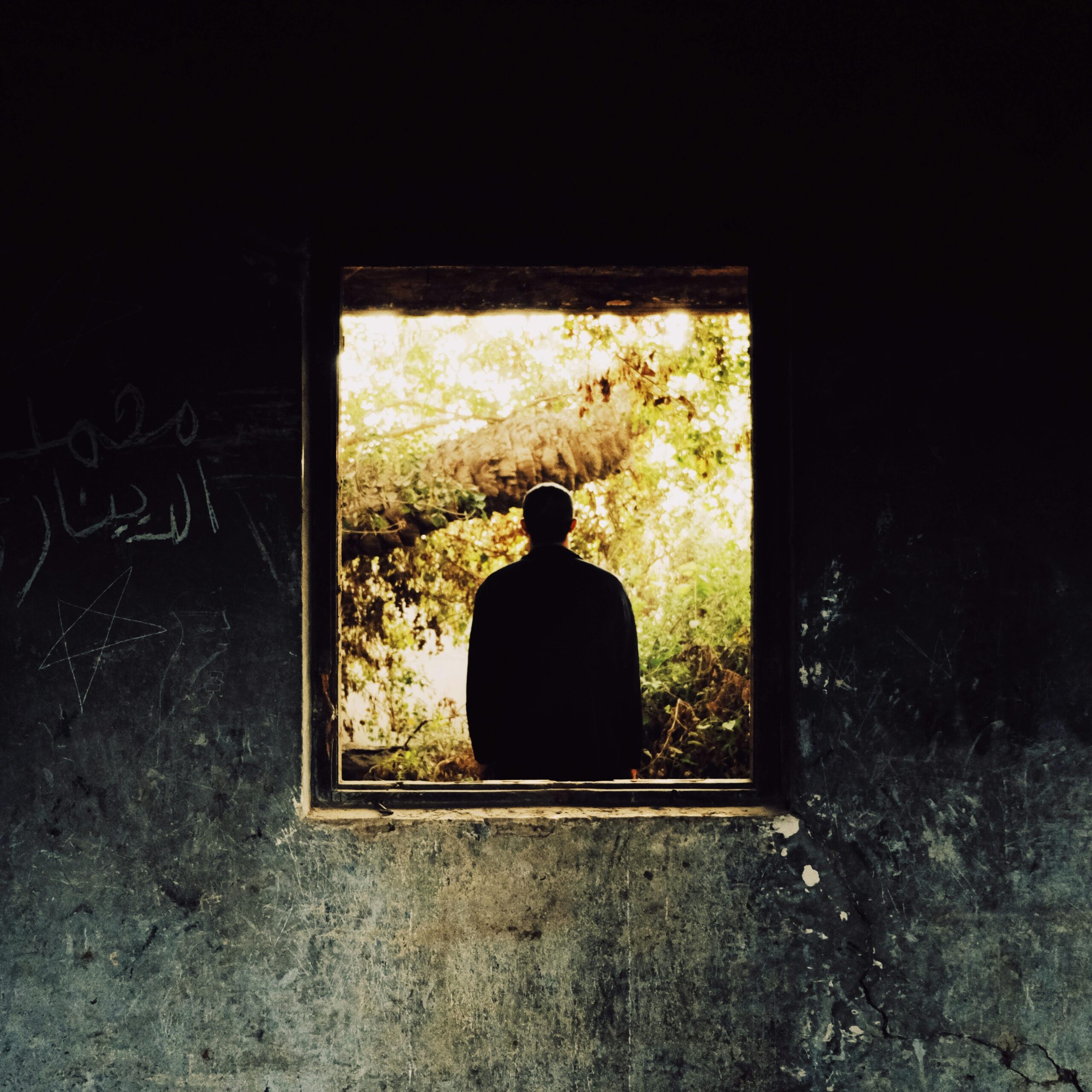
One morning, as the sun barely crested the horizon, Kael got up, took an axe in his hand, and walked toward the remains of the bridge. He had no plan and no strength, but he felt he had to do something. Anything was better than staring into the emptiness that had taken root in his heart. He started by clearing the bank of broken planks and branches.
He worked in silence for several days. His solitary figure eventually drew the attention of others. The first to approach him was an elderly woman named Lira, who had lost her garden—the pride of her life—in the flood.
“You can’t lift this alone,” she said quietly, handing him a mug of hot herbal tea. Kael just shrugged. “It’s pointless,” he replied. “Nothing makes sense anymore.“
Lira sat on a fallen log. “My garden taught me that even after the harshest winter, spring always comes. You just have to prepare the soil.” The next day, she returned with food and began helping him carry the lighter pieces of wood.
A Bridge of Stories
Soon, others joined. A young boy who had lost his father brought the tools he had managed to save. A silent fisherman whose boat was swept away turned out to be a master of tying knots. Everyone who came brought not only the strength of their hands but also their own story of loss.
Working shoulder to shoulder, they began to talk. They shared stories of what they had lost, but also of what remained—small memories, a saved photograph, a flicker of hope that still burned somewhere deep inside. Each plank laid for the bridge became a symbol. One was the memory of Kael’s wife’s smile, another a tribute to Lira’s garden, and a third held the story of the first fish caught by the fisherman’s son.
The bridge they were building was no longer just a wooden structure. It was becoming a monument to their pain and a testament to their will to survive.
With each passing day, Kael felt the weight in his chest grow lighter. In the toil and shared effort, he found something he thought was lost forever: a purpose. His grief didn’t disappear, but it no longer paralyzed him. It transformed into a force that drove him to work.
The Other Side
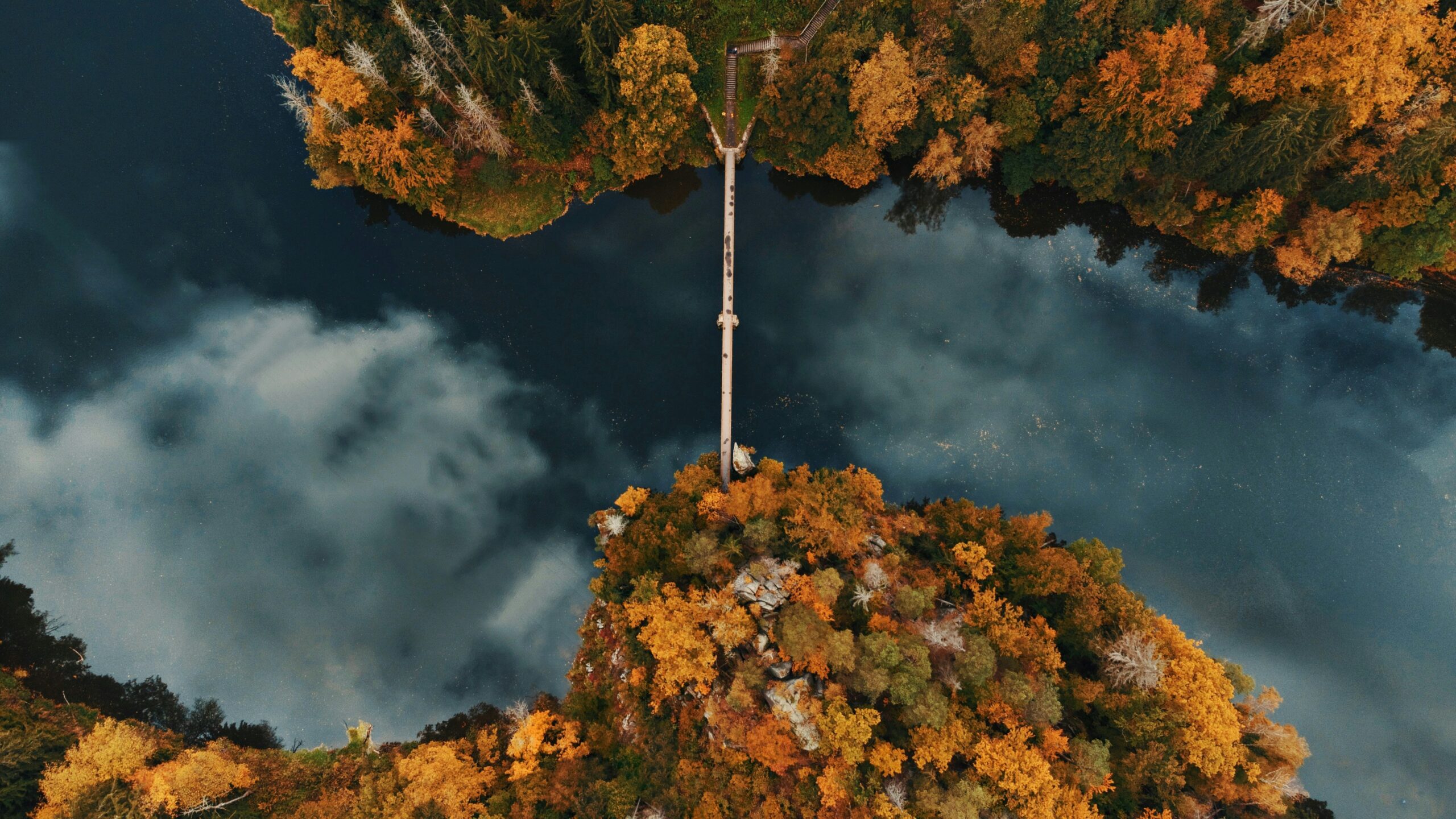
After many weeks, the bridge was finished. They all stood on it together, looking toward the opposite bank. The structure was simple, perhaps even a little crooked, but it was solid and strong. It radiated the strength of the people who had built it.
It was then that Kael understood. All along, he thought he was building a bridge to connect two riverbanks. In reality, he was building it to connect people. It wasn’t the wooden planks that helped him cross the chasm of despair, but the stories they shared, the helping hands, and the quiet understanding in the eyes of those who suffered just as he did.
He discovered that the true meaning of life is not in what you have, but in what you share; not in avoiding loss, but in building something new from the ruins, together.
The bridge became the heart of the reborn village, a constant reminder that even after the greatest flood, you can find a way to the other side, as long as you walk it together.
Reflection
And now, a question for you…
What do you make of Kael’s story? Was rebuilding the bridge an act of defiance, a process of mourning, or something else entirely?
Perhaps the bridge is a metaphor for the connections we forge in our darkest times. It suggests that when we lose everything, our shared humanity is the one thing that can help us rebuild. Or maybe it’s a symbol of how purpose can be found not in grand gestures, but in the simple, steady act of putting one foot—or one plank—in front of the other.
Have you ever experienced a moment where community helped you overcome a personal crisis? What “bridges” have you helped build in your own life? Share your thoughts in the comments below.
Support me
If my writing has inspired you, helped you, or if I’ve supported you through a personal conversation, consider supporting me.
You can Buy Me a Coffee or donate via PayPal.me.
Your support means the world—thank you!